


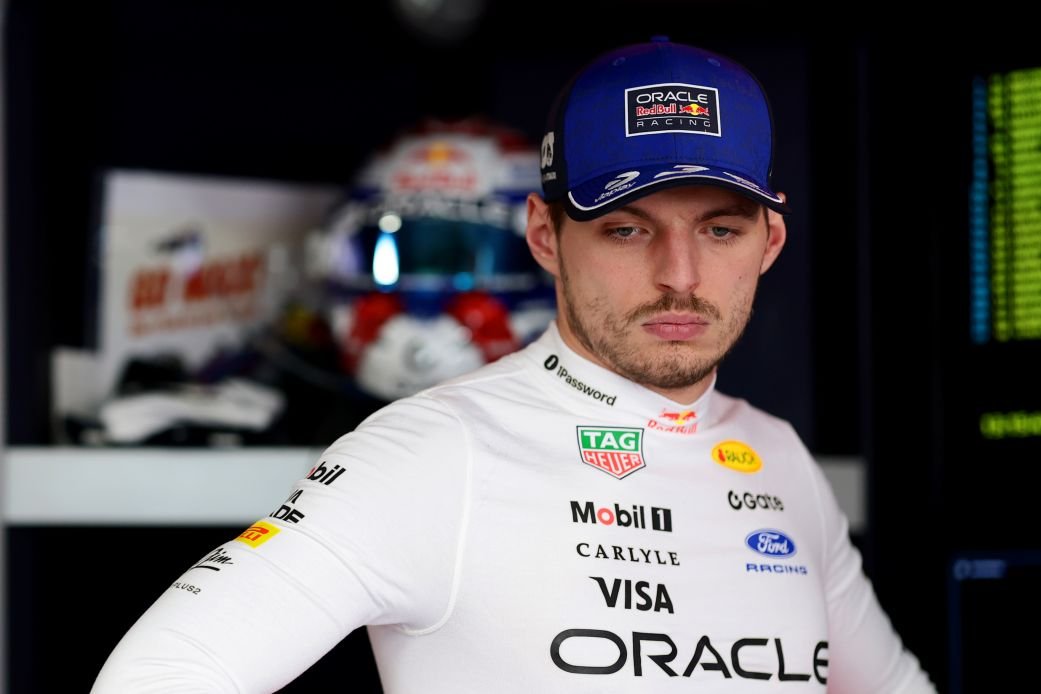
Introduction to Max Verstappen
Max Verstappen has emerged as one of the most prominent figures in the world of Formula 1 racing. Born on September 30, 1997, in Hasselt, Belgium, he is the son of former Formula 1 driver Jos Verstappen and former karting champion Sophie Kumpen. This lineage provided Max with a solid foundation in motorsport from an early age. Starting his racing career in karting at just four years old, he exhibited exceptional talent, quickly advancing through various competitions.
Max Verstappen made his Formula 1 debut in 2015 with the Scuderia Toro Rosso team at the age of 17, making him the youngest driver to participate in a Grand Prix. His remarkable debut season caught the attention of the motorsport community, leading to a subsequent move to Red Bull Racing. In 2016, Verstappen achieved a historic feat by winning the Spanish Grand Prix, making him the youngest winner in F1 history at 18 years and 227 days old. This victory solidified his position as a rising star in the sport.
Throughout his career, Max Verstappen has consistently demonstrated remarkable skill, determination, and resilience on the track. He has amassed numerous records, including multiple race victories and podium finishes, quickly becoming a key contender for the World Championship. With a fanbase that spans the globe, Verstappen’s energetic driving style and competitive spirit resonate with audiences, elevating his status as not only a driver but also a global motorsport personality.
As we delve deeper into Max Verstappen financial success, it is essential to understand his career achievements and standing in the motorsport world, which serve as a backdrop for the analysis of his net worth. His continued success on the racetrack, coupled with strategic endorsements and sponsorships, has significantly contributed to his financial prosperity.
Career Highlights of Max Verstappen
Max Verstappen, the Dutch racing prodigy, has become a prominent figure in Formula 1 since his debut in 2015 at the mere age of 17. He made history by becoming the youngest driver to participate in a Formula 1 race, driving for Scuderia Toro Rosso. This early start laid the groundwork for an illustrious career marked by several significant milestones.
In 2016, Max Verstappen made headlines when he secured his first victory at the Spanish Grand Prix, becoming the youngest winner in Formula 1 history at just 18 years old. This remarkable achievement established him as a force to be reckoned with in the highly competitive racing landscape. Following this victory, Verstappen moved to Red Bull Racing, where he continued to showcase his exceptional driving skills.
Through his tenure with Red Bull, Max Verstappen has delivered multiple standout performances, including winning several races across various circuits around the world. Notably, he achieved the fastest lap at numerous Grand Prix events, setting an impressive record that underscores his pace and skill on the track. In addition to his race victories, Verstappen has consistently finished in the top positions, regularly challenging for pole positions and podium places.
Max Verstappen career reached a pinnacle after winning the 2021 Formula 1 World Championship, which he clinched in a dramatic final race against Lewis Hamilton. His championship victory not only solidified his status as one of the elite drivers in the sport but also significantly impacted his net worth, as championship drivers tend to attract lucrative sponsorships and increased contract values.
As of 2023, Max Verstappen holds the record for the most wins in a single season, further demonstrating his dominance in the sport. With each race, he continues to enhance not only his racing legacy but also his financial success, positioning himself as one of the wealthiest figures in the world of motorsports.
Max Verstappen’s Earnings: Salary and Bonuses
Max Verstappen has emerged as one of the most successful drivers in the Formula 1 racing circuit, and his earnings reflect this achievement. As a key member of the Red Bull Racing team, Verstappen’s base salary is significant, with estimates placing it in the range of $20 million per season. This figure, however, is just the foundation of his total income from racing.
Performance bonuses play an integral role in Max Verstappen earnings, offering substantial financial incentives based on his success on the track. For every race won, he potentially receives a bonus that can amount to several hundred thousand dollars, depending on the race’s profile and the team’s performance incentives. In addition, achieving high placements in place standings leads to further monetary rewards, contributing to an impressive financial package that keeps escalating as his career progresses.
Beyond the primary salary and bonuses directly tied to race outcomes, Max Verstappen income is also augmented by various sponsorships and endorsements. These lucrative deals with brands such as Tag Heuer, Infinitum, and others elevate his financial standing significantly. The combination of a robust salary structure with performance-related bonuses and strategic endorsements demonstrates the multifaceted nature of his earnings.
Various factors are influencing his ongoing financial success. The popularity of Formula 1 has surged in recent years, leading to increased revenues for teams and their drivers. The growth of digital platforms and social media has further expanded Max Verstappen personal brand, attracting sponsors keen on associating with a rising star in motorsport. As he continues to build on his legacy, Verstappen’s income reflects not only his prowess as a driver but also a well-calculated approach in maximizing his financial opportunities both on and off the track.
Endorsements and Sponsorships
Max Verstappen, the Dutch Formula 1 driver known for his remarkable skills on the track, has also made significant strides in building his financial empire through a variety of endorsements and sponsorships. As one of the sport’s most prominent figures, his marketability has attracted attention from numerous major brands eager to associate themselves with his dynamic image.
One of the most notable endorsements comes from Red Bull Racing, his primary team, which not only provides substantial financial support but also amplifies his market presence. In addition to his team sponsorship, Max Verstappen has secured partnerships with leading global brands such as Tag Heuer, the luxury watchmaker renowned for their connection to motorsports, and Puma, a sport-inspired lifestyle brand. These partnerships are more than mere endorsements; they represent long-term relationships that contribute significantly to his annual earnings.
Furthermore, Verstappen’s appeal extends to multinational corporations, including the likes of Interproteccion, a risk management company; and G-Drive, an oil brand, which also highlights his influence within the automotive and energy sectors. His collaborations typically encompass promotional campaigns, appearances, and ambassadorial roles, which not only increase brand visibility but also enhance his own brand image.
The impact of these endorsements on Verstappen’s overall financial status is profound. While his race winnings account for a substantial portion of his net worth, it is these diverse sponsorship arrangements that help fortify his financial portfolio. By leveraging his on-track success and popularity, Verstappen continues to attract lucrative deals that ensure his financial growth and stability well into the future.
Personal Investments and Business Ventures
Max Verstappen, while widely recognized for his prowess on the Formula 1 track, has demonstrated a keen interest in diversifying his income through personal investments and various business ventures. This strategic approach is critical in the world of sports, where an athlete’s career can be relatively short, making financial foresight essential for long-term stability.
One notable aspect of Verstappen’s investment strategy is his foray into real estate. He has reportedly invested in several properties, utilizing his wealth to acquire assets that have the potential to appreciate over time. Such investments not only provide a stable income stream through rental yields but also allow Verstappen to build a diversified portfolio, reducing risk exposure. This real estate involvement showcases his commitment to securing his financial future beyond his racing career.
In addition to real estate, Max has also ventured into various business collaborations, particularly in sectors related to sports, fitness, and lifestyle brands. By aligning with companies that resonate with his public persona and target demographic, Verstappen leverages his fame to boost business potential. Sponsorship deals, merchandise collaborations, and promotional events are avenues through which he generates additional income. These ventures underscore his business acumen, reflecting an understanding of how athletes can monetize their brand effectively.
Moreover, Verstappen has displayed interest in technology and innovation within the automotive sector, exploring investments in startups that focus on electric vehicles and sustainable technologies. This alignment with modern trends not only enhances his investment portfolio but also keeps him relevant in a rapidly evolving industry, allowing him to engage with the future of racing and mobility.
Through these personal investments and business ventures, Max Verstappen exemplifies how athletes can capitalize on their fame and skills beyond their primary sport, ensuring that they remain financially secure and independent after they hang up their racing gloves.
Comparing Verstappen’s Net Worth with Peers
Max Verstappen’s financial success has distinguished him as one of the highest-earning drivers in Formula 1. His net worth is often compared to that of his peers, particularly seasoned competitors like Lewis Hamilton and Sebastian Vettel, who have both secured substantial financial portfolios through their successful racing careers. As of recent estimates, Verstappen’s net worth stands at approximately $200 million, a figure that places him among the elite in the world of motorsport.
Lewis Hamilton, a seven-time world champion, boasts a net worth that exceeds $500 million. This impressive wealth is attributed not only to his lucrative contract with Mercedes but also significant endorsements and brand partnerships. Hamilton’s financial success highlights the financial dynamics in Formula 1, where driver performance and marketability significantly impact earnings. Given Hamilton’s tenure, his earnings reflect years of consistent high performance and brand building.
On the other hand, Sebastian Vettel, a four-time world champion, has a net worth estimated at around $140 million. Vettel, who has recently retired, accrued wealth not only from his time with Red Bull Racing but also from his agreements with Ferrari and Aston Martin. While his net worth is slightly lower than Verstappen’s, it exemplifies the financial growth opportunities available to successful drivers throughout their careers.
When comparing these figures, it is vital to consider the varying stages of each driver’s career. Verstappen, being considerably younger and still actively competing, is likely to see significant financial growth as he continues to perform and secure wins. In a sport where sponsorship deals and personal brands evolve rapidly, Verstappen’s trajectory suggests he may soon rival his more established counterparts, thereby enhancing his standing within Formula 1’s elite.
Public Persona and Media Presence
Max Verstappen has established a compelling public persona that significantly influences his brand value and marketability. As one of the youngest Formula One champions, his achievements on the racetrack have garnered him a substantial fan following. Verstappen’s competitive spirit and fearlessness resonate with fans, contributing to a dynamic public image that extends beyond his racing prowess.
His interactions with fans, whether through social media or appearances at events, reinforce his relatability and approachability, enhancing his market presence. Verstappen’s frequent updates on platforms like Instagram and Twitter allow for direct engagement with his audience, fostering a sense of community and loyalty among his supporters. This openness not only amplifies his public persona but also serves as a platform for potential endorsements and partnerships with brands looking to leverage his popularity.
Additionally, Verstappen’s media presence is strategically managed through various appearances and collaborations. From interviews and television segments to promotional events, he adeptly navigates the media landscape, projecting an image that aligns with his brand. His professional demeanor, paired with a hint of charisma, makes him a favorable figure for sponsors, increasing his marketability within the competitive world of motorsports.
Moreover, Verstappen’s popularity is a double-edged sword; while it opens doors to lucrative financial opportunities, it also comes with the pressure of maintaining a pristine public image. The balance between his personal life and professional responsibilities is essential, as any misstep could impact his brand perception. However, Verstappen’s ability to maintain a strong connection with his fans, alongside strategic media engagement, positions him favorably in the market, ensuring continuous growth in both popularity and financial success.
Future Earnings Potential
Max Verstappen, currently one of the most prominent figures in Formula 1, not only garners attention through his remarkable driving skills but also through his impressive financial portfolio. As of 2023, his net worth continues to grow, supported by his current performance, sponsorship deals, and numerous endorsement contracts. Looking ahead, several factors could significantly influence Verstappen’s earning potential in the coming years.
His current standing as a top competitor provides him with leverage to negotiate lucrative contracts with teams and sponsors alike. If he maintains or enhances his performance in upcoming seasons, it is plausible to anticipate that he will secure even greater financial rewards. The trend in motorsport sponsorship is directly proportional to a driver’s visibility and success. Consequently, as Verstappen wins more races and potentially secures additional championships, he may attract more substantial sponsorship deals, further augmenting his income.
Furthermore, the financial landscape of Formula 1 itself is shifting. With increased investments in the sport, including new teams entering the league and the growing popularity of F1 globally, Verstappen’s brand appeal is likely to rise. The introduction of innovative revenue streams, such as digital engagement platforms and live streaming, could offer significant financial opportunities as well. His engagement in these new avenues could provide ways to elevate his earnings beyond traditional means.
However, longevity in competitive racing is often unpredictable due to physical demands and team changes. If he remains diligent in managing his health and career decisions, Verstappen could enjoy an extended career at the top of the sport, maximizing his future earnings. Thus, taking into consideration his current performance, evolving business opportunities, and the landscape of Formula 1 racing, it may be reasonable to speculate that Verstappen’s financial success is poised for remarkable growth in the years to come.
Conclusion and Final Thoughts
Max Verstappen’s journey in Formula 1 reflects not only his exceptional driving talent but also highlights a remarkable financial trajectory. As one of the youngest drivers to achieve success at such high levels, Verstappen has amassed significant wealth through various streams. His net worth, estimated to be in the multi-million dollar range, stems primarily from lucrative contract negotiations with Red Bull Racing, where he has established himself as a key figure. Furthermore, endorsements and sponsorship deals with major global brands significantly contribute to his financial portfolio.

Off the track, Verstappen’s appeal extends beyond racing, as his presence on social media and his growing fan base have increased his marketability. This financial success presents a notable example within the world of motorsports, illustrating how the right combination of skill, determination, and savvy business acumen can lead to substantial rewards. His ability to negotiate contracts that secure not only competitive salaries but also performance incentives underscores a maturity and professionalism rare for someone of his age in such a high-stakes environment.
Moreover, Verstappen’s financial journey can be viewed as indicative of the potential for modern athletes to leverage their careers into long-lasting wealth. The synergies between his racing success and financial ventures highlight the changing dynamics within sports, wherein athletes are increasingly regarded as brands in their own right. As we consider Max Verstappen’s financial standing and its implications, it becomes evident that his accomplishments will resonate within motorsports for years to come, inspiring future generations of drivers to harness their talents in similar ways.
