


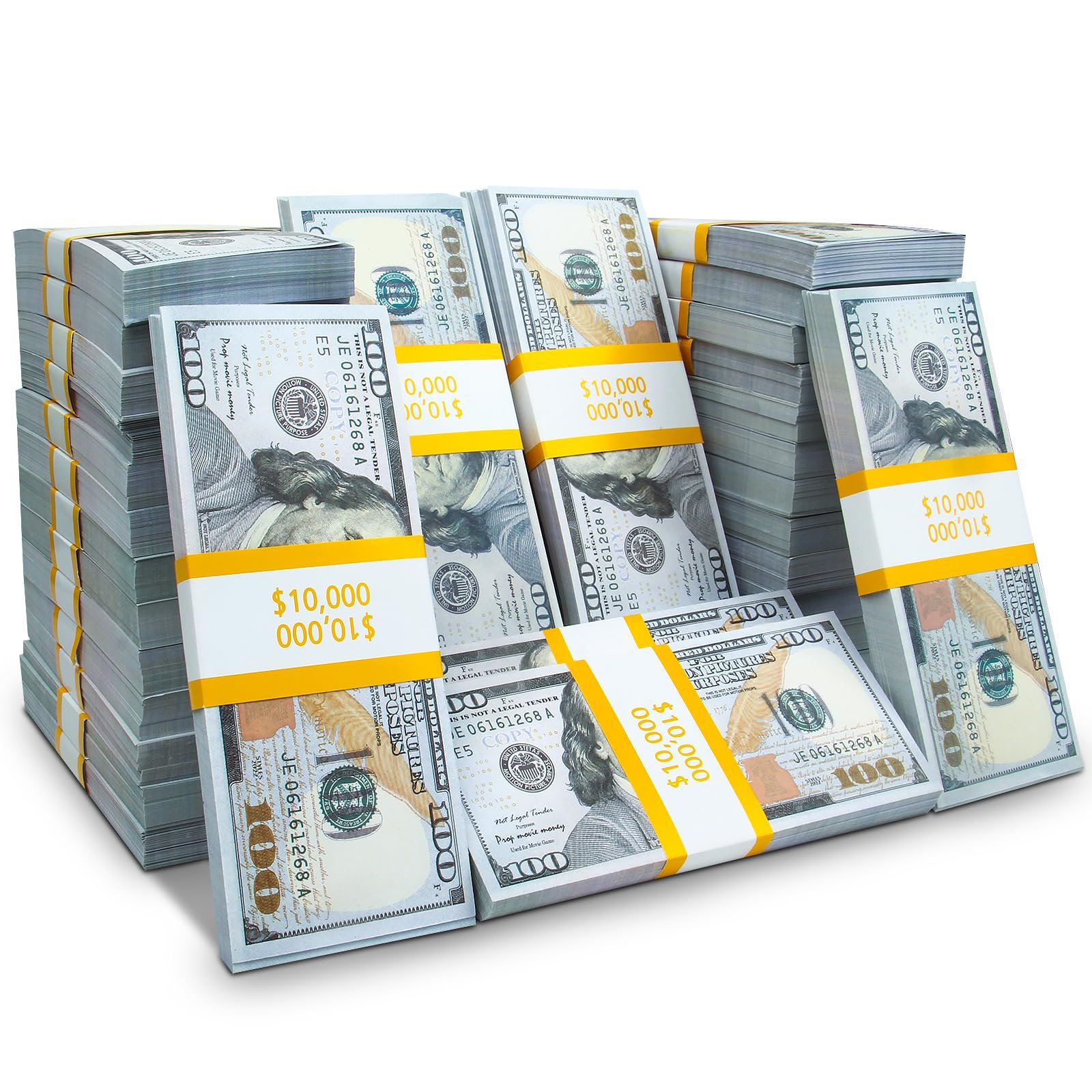
What is Prop Money?
a type of simulated currency specifically designed for use in the entertainment industry, particularly in film, television, and theater productions. Unlike real currency, which holds legal tender status and can be used for transactions, prop money is created solely for prop use. Its primary purpose is to serve as a visual aid, enhancing the authenticity of scenes where money is depicted without the risk of legal repercussions associated with using real cash.
The materials used in the production of prop money vary, but it is commonly crafted from high-quality paper or plastic to mimic the feel of actual banknotes. The print quality is key; high-resolution images and precise color matching make it difficult to distinguish from real bills at a glance. However, regulations dictate that prop money must have certain characteristics, such as the inclusion of explicit disclaimers that it is not legal tender. This ensures that it cannot be confused with real currency, thus mitigating any potential legal issues.
utilized in various settings, from independent films to major blockbusters, as well as in theater performances and advertisements. Its use allows filmmakers and actors to portray financial transactions realistically without the complications involved in the use of genuine cash. Different denominations are often produced to meet the specific requirements of a scene, adding an additional layer of detail to the production. As a crucial component in visual storytelling, prop money contributes to the immersive experience of audiences, allowing for a seamless representation of scenarios involving currency.
The History of Prop Money
both an essential and often overlooked aspect of film production, has a rich history that dates back several decades. Initially developed to enhance the realism of cinematic storytelling, prop money has evolved greatly since its inception. Its first notable appearances were in classic films during the mid-20th century, where filmmakers recognized the need for lifelike currency to avoid the complexities of using real money on set. This not only minimized legal issues but also ensured the safety of cast and crew by avoiding theft and financial mishaps.
One of the early examples of can be traced back to the Golden Age of Hollywood. Productions like “It’s a Wonderful Life” and “The Godfather” employed specially designed bills that were crafted to resemble real currency closely, yet depicted clear markings to prevent any misuse. The filmmaking process required prop money to be effective in serving as a representation of wealth and power, massively contributing to the narrative.
As technology advanced, so did the design and production methods. The introduction of computer-generated imagery allowed for more detailed and realistic-looking notes, leading to a wide variety of prop money available in the market today. Furthermore, advancements in printing technology have allowed production companies and independent filmmakers to create high-quality replicas that accurately mimic various denominations.
With the rise of global cinema, prop money has also adapted to meet different cultural requirements, showcasing currencies from various countries in more recent films. The evolution of prop money reflects not only advancements in design and technology but also showcases the creativity and innovation within the film industry. Today, indispensable for filmmakers looking to bring authenticity to their narratives, reminding us of its longstanding significance in the realm of cinema.
Types of Prop Money
serves a variety of purposes across different industries, including film production, education, and novelty gifts. Understanding the distinct types of prop money can help users select the appropriate option for their specific requirements.
One of the most common categories is film prop money, which is specifically designed for use in movie and television productions. These notes are produced to mimic real currency closely while avoiding legal issues regarding counterfeiting. Most film is printed using high-quality materials and often features realistic denominations, making it an essential tool for directors and set designers who aim for authenticity in their projects.
Educational is another category that plays a vital role in teaching and learning processes. It is widely used in classrooms to help students understand concepts related to currency, finance, and commerce. Educational may come in various colors or designs, clearly indicating it is not legal tender. This type is particularly valuable for teaching children basic math skills or how to manage finances.
Additionally, there is a market for novelty prop money, which is often used for comedic purposes or as a party favor. This variety typically features exaggerated denominations or humorous designs, allowing it to stand out while serving entertainment functions. Novelty prop money is popular in costume parties, pranks, or themed events where a playful representation of money is desired.
Regardless of the type, should always be used responsibly and ethically, ensuring that it does not misrepresent actual currency or violate any legal standards. Choosing the appropriate kind of prop money based on its intended use can enhance the overall experience, whether in film, education, or entertainment.
Why Use Prop Money?
serves as an essential tool in various sectors, particularly for filmmakers, educators, and event planners. One of the primary reasons for utilizing prop money over real currency is safety. In high-stakes scenarios or productions that require the use of large sums of cash—such as heists in movies or classroom demonstrations—using realistic but fake currency minimizes the risk associated with handling real money. This is particularly advantageous in film production, where safety remains a top priority for cast and crew.
Additionally, legality plays a crucial role in the decision to use prop money. Real currency must be handled carefully to comply with laws and regulations; on the contrary, using prop money ensures that one does not inadvertently engage in illegal activities. Many jurisdictions have specific laws governing the use of replicas or counterfeit bills, and professional adheres to these regulations by clearly marking them as fakes, thus circumventing legal complications.
Furthermore, provides specific advantages in storytelling and educational demonstrations. In the realm of filmmaking, it offers a cost-effective solution that enables directors to create realistic scenes without the need for actual cash transactions. This enhances the authenticity of the production while keeping the storytelling element intact. Similarly, in educational settings, prop money can facilitate lessons about currency management, economics, and budgeting, making the learning process more engaging and tangible for students.
In conclusion, the use of is dictated by several factors, including safety, legality, and its application in storytelling. These advantages make it a preferred choice for those requiring a practical and effective substitute for real currency in various contexts.
How to Choose the Right Prop Money
Selecting the appropriate is a crucial aspect of any production, whether for film, theater, or photography. The effectiveness of lies in its convincingness, which can significantly affect the overall quality of a scene. One of the first considerations should be the size of the prop money. It is essential that the prop bills closely mimic the actual dimensions of real currency to maintain realism. Measure existing scales and palettes used within the scene to ensure that the prop money complements the surrounding elements aesthetically and contextually.
Additionally, realism is paramount when selecting .The design accuracy should reflect the current legal tender in circulation. Bills that accurately display features such as watermarks, ink colors, and serial numbers enhance the believability of the prop money. Investing in high-quality prop money that adheres closely to these attributes is recommended to avoid noticeable discrepancies that could detract from the scene.
Another aspect to consider is safety. It is vital to ensure that the prop money complies with legal standards, which means it should be easily identifiable as non-negotiable currency. In the United States, the law mandates that prop money must be marked in a way that distinguishes it from real currency, such as through color or the inclusion of branding. This step is essential to avoid potential legal issues, as misrepresenting prop money can result in serious consequences.
Finally, when searching for quality , it is wise to source from reputable online retailers or specialty stores that focus on film and theater supplies. These suppliers often offer various options tailored to different production needs, ensuring that you have access to the best prop money available for your project.
Legal Considerations and Restrictions
When it comes to the use of understanding the legal considerations and restrictions is paramount.often resembles real currency, which has led to various laws aimed at preventing its misuse. In the United States, the primary legislative framework surrounding usage involves the Federal Counterfeit Deterrence Act, which establishes guidelines on the creation and distribution of currency-like items.
One of the significant legal stipulations is that must not be easily confused with actual currency. To comply with regulations, prop money should be printed with clear markings, such as ‘For Motion Picture Use Only’ or similar phrases, to distinguish it from real notes. Furthermore, must differ in size, color, or design from legitimate currency to ensure it does not violate laws against counterfeiting.
Different states may have additional regulations governing the use of prop money, so it is essential for creators and users to research and adhere to local laws. Additionally, certain industries, such as film production, may have specific guidelines in place that dictate how prop money should be used on set. Ensuring compliance with these rules not only protects creators from potential legal repercussions but also maintains the ethical standards of the industry.
Moreover, it is worth noting that illegal use or distribution of prop money can lead to severe penalties, underscoring the necessity of understanding and following legal requirements. As the entertainment industry continues to evolve, staying informed about the changing laws surrounding prop money can help ensure its responsible and compliant use.
Using Prop Money in Film and Television
In the realm of film and television production, the use of is pivotal for maintaining authenticity and enhancing the viewer’s experience. When incorporating prop money into scenes, it is essential to pay attention to various factors that contribute to a realistic portrayal.
One of the primary considerations when using is ensuring that it adheres to the visual characteristics of real currency. This includes matching the color, size, and detail of genuine banknotes, as well as ensuring an appropriate weight to simulate the feel of real cash. Authenticity is crucial; audiences can quickly identify discrepancies, which can detract from the overall believability of a scene.
Practical effects play a significant role in the successful integration. Employing practical effects means utilizing physical items on set rather than relying solely on CGI. For instance, if a character is meant to exchange a substantial amount of cash, having them hold and interact with the can convey a sense of reality that digital effects cannot replicate. To emphasize this, consider how characters handle and react to the money and ensure movements are natural and unscripted.
Additionally, behind-the-scenes considerations should not be overlooked when using . It is crucial to follow the legal guidelines regarding the reproduction of currency to avoid misunderstandings or potential legal issues. Always ensure that the prop money is clearly marked or altered to distinguish it from actual currency. By doing so, filmmakers and production teams can prioritize safety and legality while maintaining creative expression.
Incorporating these practical tips for using can significantly elevate the production quality, creating a more immersive viewing experience for your audience.
Creative Ways to Use Prop Money
typically associated with film sets and theatrical productions, however, its versatile nature allows for numerous innovative applications beyond traditional contexts. One of the most engaging uses of prop money is for party decorations. For example, at a casino-themed event, integrating prop money into centerpieces or table layouts can enhance the setting while adding a touch of fun. This can create an atmosphere that feels immersive and exciting, making it ideal for game nights or themed birthday parties.
Moreover, educators can leverage prop money as an effective teaching tool within classrooms. Utilizing prop currency not only captivates student interest but also facilitates understanding of financial literacy concepts. For instance, prop money can be used in math lessons to teach concepts such as addition, subtraction, and basic budgeting, fostering an interactive learning experience. Teachers can set up pretend stores where students can practice making purchases, thereby reinforcing their understanding of monetary transactions in a playful environment.
Another innovative way to utilize prop money is during promotional events. Businesses can incorporate prop currency into marketing strategies to draw attention and engage potential customers. Setting up a promotional event where customers can win prop money can be a unique incentive; for example, giving out prop bills that can be redeemed for discounts or prizes. This encourages customer participation and creates a lively atmosphere, promoting brand recognition.
In summary, prop money’s applications are limited only by imagination. From enhancing decorative themes at parties to serving as a practical educational tool and innovative promotional strategy, the possibilities are extensive. Whether it is for entertainment purposes or educative efforts, incorporating prop money creatively can significantly add value to various activities.
Conclusion and Final Thoughts
In summary, prop money serves an essential role in various creative and educational contexts, providing realistic representations of currency without the legal implications of using real money. Throughout this guide, we explored the characteristics that define high-quality prop money, including its print quality, realism in design, and safety standards. Such factors ensure that prop money can be effectively used in films, theatrical performances, and educational environments.
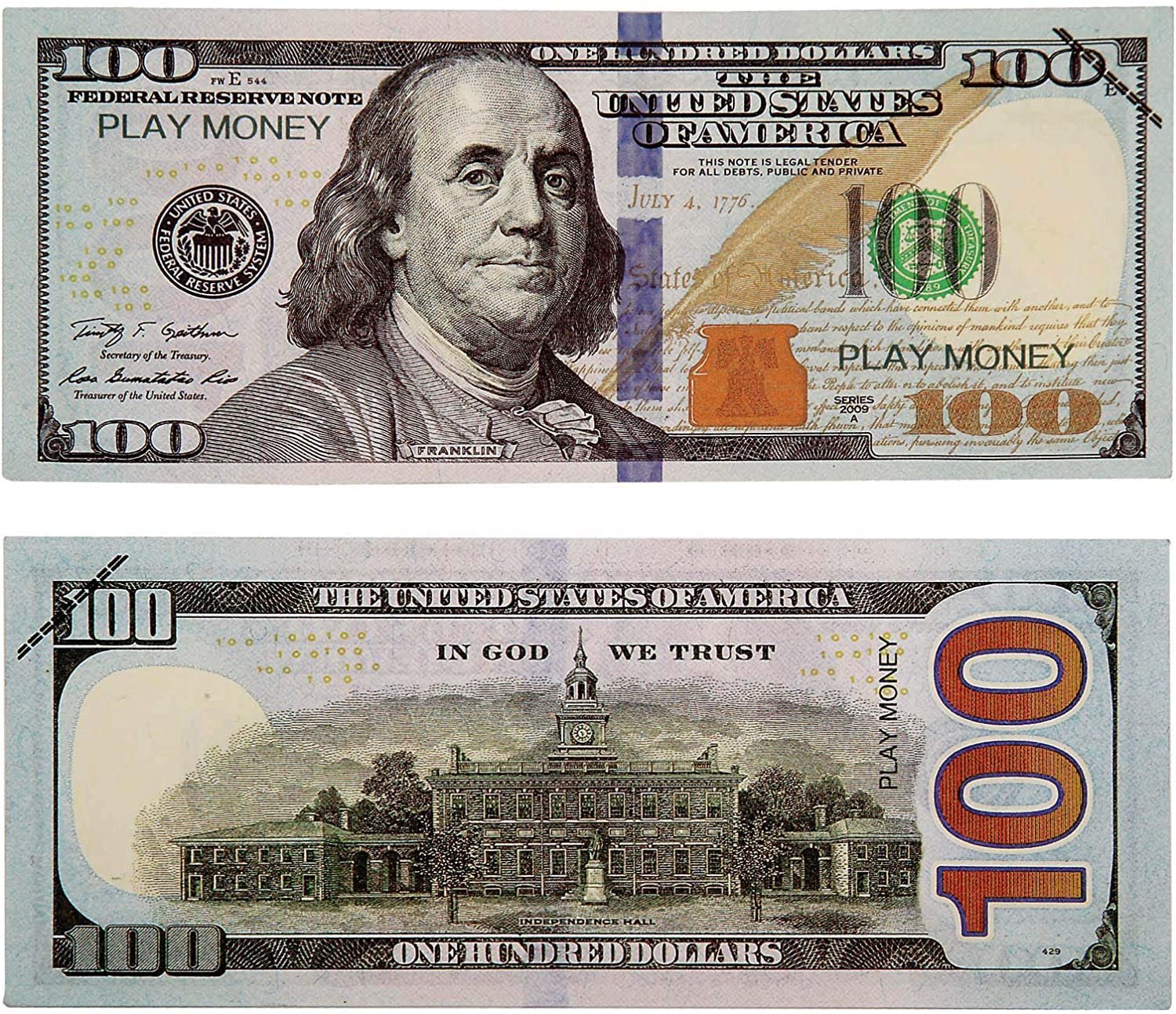
We also highlighted the importance of obtaining prop money that complies with legal regulations, emphasizing that the highest quality replicas often have specific indicators, like the word “sample” or “replica” imprinted on them. This helps avoid confusion with actual currency and assures both safety and compliance with laws governing the use of imitation money.
Moreover, prop money can be utilized in innovative ways, such as enhancing teaching methods in finance or economics classrooms by creating real-life scenarios for students. It can also greatly contribute to artistic expression in film and theater, lending authenticity to set designs while allowing actors to engage with their roles fully.
We encourage our readers to explore the practical applications of prop money, whether in a classroom, theater production, or even for personal projects. If you have experiences or thoughts on using prop money, we invite you to share your insights in the comments section. Your contributions may inspire others seeking inventive ways to incorporate prop money into their creative endeavors.
