


Introduction to Gnats: Understanding the Problem
how to get rid of gnats are small, flying insects that belong to various families within the order Diptera. These pests are typically characterized by their delicate bodies, long legs, and pronounced wings. Among the numerous species of gnats, the most commonly encountered varieties include fruit flies (Drosophila spp.) and fungus gnats (Bradysia spp.). While they are often mistaken for one another, their habitats and behaviors contribute to their categorization as pests in both homes and gardens.
how to get rid of gnats Fruit flies are usually found around ripe or decaying fruits and vegetables, making them a common nuisance in kitchens and dining areas. These flies are highly attracted to sugary substances, where they lay their eggs, leading to rapid population growth. On the other hand, fungus gnats thrive in damp environments, often associated with overwatered houseplants and poorly drained soils. Adult fungus gnats feed on organic matter in the soil while their larvae can damage plant roots, causing further complications in garden care.
how to get rid of gnats , in general, are bothersome due to their persistent swarming around humans and pets, especially in warmer months. Their presence can be particularly troubling as they are often drawn to food sources, posing a risk of contamination. Moreover, gnats can disrupt outdoor activities, making it uncomfortable to enjoy gardening or social gatherings. Understanding the behavior of these pests is critical for effective management, as their breeding habits and attraction to moist areas are key factors in their proliferation. Identifying the type of gnat infestation is essential to implement targeted strategies for elimination and prevention, promoting a healthy living environment.
Identifying the Source of Gnats
Identifying the breeding grounds of how to get rid of gnats is paramount in effectively controlling their population within your home or garden. Gnats, particularly fruit flies and fungus gnats, are attracted to specific environmental conditions and organic materials. Common attractants include rotting fruits, overwatered plants, and damp areas, which create ideal habitats for gnat larvae.
In kitchens, unchecked fruit bowls can become a how to get rid of gnats magnet. As fruits ripen and eventually decay, they emit odors that are extremely attractive to gnats. Regularly checking and removing any overripe or rotten fruits can help in preventing gnat infestations. Additionally, maintaining clean countertops and disposing of waste promptly will significantly reduce the chance of attracting these pests.
In gardens and houseplants, overwatering is a significant factor contributing to gnat problems, especially with fungus how to get rid of gnats . Excess moisture in the soil creates an ideal breeding environment. Therefore, assessing your watering habits and ensuring that plants are not waterlogged is crucial. Allowing the top layer of soil to dry between watering can hinder gnat reproduction.
how to get rid of gnats areas around your home, such as sinks, drains, or areas with poor drainage, can also serve as breeding grounds for gnats. Regularly cleaning these areas and ensuring proper drainage will contribute to minimizing gnat populations. Additionally, checking for and addressing leaks can greatly reduce the moisture content that attracts gnats.
Recognizing and addressing these common sources of attraction is essential in controlling and preventing gnat infestations. Employing strategic measures to eliminate potential how to get rid of gnats breeding grounds will help maintain a gnat-free environment.
Home Remedies for Getting Rid of Gnats
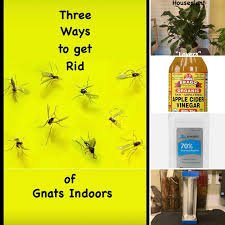
how to get rid of gnats can be a nuisance in any home, especially during warmer months. Fortunately, several effective home remedies can help you eliminate these pesky insects using common household items. One popular method is to create a simple gnat trap using vinegar. Apple cider vinegar is particularly effective due to its sweetness, which attracts the gnats. To construct this trap, pour some apple cider vinegar into a small bowl and add a few drops of dish soap. The soap reduces the surface tension of the liquid, causing the gnats to sink and become trapped as they attempt to land.
In addition to vinegar traps, another effective option is the use of essential oils. Certain scents, such as peppermint or eucalyptus, serve as natural repellents. You can mix a few drops of your chosen essential oil with water in a spray bottle and apply it around areas where gnats are frequently spotted. This solution not only helps in deterring gnats but also leaves a pleasant aroma in your living space.
Another DIY solution involves using a mixture of sugar and water. Boil a cup of water with two tablespoons of sugar until it dissolves, then let it cool. Pour this solution into a how to get rid of gnats shallow dish, and the gnats will be drawn to the sweet scent, ultimately resulting in their capture as they drown in the liquid.
Moreover, maintaining a clean environment is crucial in preventing gnat infestations. Ensure that you regularly dispose of overripe fruits and vegetables, as these attract gnats. Additionally, check your potted plants and soil for excess moisture; letting the soil dry out can disrupt the life cycle of these pests and reduce their numbers.
Commercial Products for Gnat Control
When it comes to combating gnats, a variety of commercial products are available that how to get rid of gnats can effectively help manage these nuisances. These products range from insect sprays to traps and granules, all designed with the specific purpose of reducing gnat populations in your home or garden environment.
One popular option includes insect sprays that target adult gnats. These sprays how to get rid of gnats often contain active ingredients such as pyrethrins or neem oil, which can effectively knock down adult gnats on contact. It is important to follow the manufacturer’s instructions for application and safety, especially in areas where children or pets may be present. Additionally, ensure proper ventilation while using these sprays indoors.
how to get rid of gnats also serve as a practical solution for gnat control. Sticky traps are commonly used and can be placed near areas of high gnat activity, such as kitchens or fruit storage locations. These traps utilize bright colors or attractant scents to lure gnats, which then become stuck and unable to escape. For a more proactive approach, pheromone traps can be utilized, emitting scents that specifically attract male gnats, thus breaking their reproductive cycle.
Granules are another form of commercial product for gnat control, typically applied to how to get rid of gnats and organic matter where gnats like to breed. These products often contain insect growth regulators or nematodes, which target larvae in the soil, preventing them from maturing into adult gnats. As with any pest control product, it is important to read the labels for safety recommendations and environmental considerations.
Overall, the effectiveness of these commercial products can vary based on the specific species of gnat and environmental conditions, making it essential how to get rid of gnats for consumers to select the right approach for their particular situation. A combination of these strategies may yield the best results in reducing gnat populations effectively and safely.
Preventive Measures: Keeping Gnats Away
how to get rid of gnats To effectively prevent gnat infestations in your living space, it is essential to adopt a multifaceted approach that addresses their primary breeding and feeding grounds. One of the first steps is proper plant care. Gnats, particularly fungus gnats, are often attracted to overly damp soil in potted plants. To reduce their attraction, ensure that you allow the soil to dry out adequately between watering sessions. Additionally, consider using well-draining soil and pots with drainage holes. This practice not only promotes healthy plant growth but also minimizes the risk of gnat propagation.
how to get rid of gnats Food storage and cleanliness are also crucial in keeping gnats at bay. Make it a habit to store food in airtight containers and promptly clean any spills or crumbs that may attract these pests. Pay particular attention to areas like the kitchen and dining space, where food particles may easily accumulate. Regularly checking and cleaning beneath appliances can also eliminate potential food sources for gnats.
Another significant factor in preventing gnat infestations is controlling moisture levels throughout your home. Ensure that there are no leaking pipes or standing water that could serve as a breeding ground for gnats. Using dehumidifiers in damp areas, such as basements or bathrooms, can further assist in creating an environment that is less hospitable to these pests. Additionally, consider how to get rid of gnats employing air circulation techniques; proper ventilation not only contributes to reduced humidity levels but also makes it more difficult for gnats to thrive.
how to get rid of gnats adopting these preventive measures—such as ensuring proper plant care, maintaining cleanliness, and controlling moisture levels—you can significantly reduce the risk of gnat invasions and create a more comfortable living environment. Consistently applying these strategies acts as a barrier against these nuisances, promoting a pest-free home.
The Role of Vegetation in Gnat Infestations
Vegetation plays a crucial role in the life cycle of how to get rid of gnats , particularly when it comes to the conditions that foster their presence. Overgrown plants and their associated environments, like potting soil, can create ideal conditions for gnat infestations. These pests are most commonly attracted to moist organic matter, which often accumulates around the roots of houseplants and in the soil of potted vegetation. Such environments not only provide a breeding ground for gnats but also attract their larvae, which feed on the decomposing plant material, further intensifying the infestation.
One predominant type of gnat that thrives in these conditions is the fungus how to get rid of gnats , which is particularly attracted to damp soil that is rich in decaying plant matter. Overwatering plants can exacerbate this issue, creating excessive moisture that promotes favorable conditions for gnats to lay their eggs. In contrast, well-maintained plants that are watered appropriately can help create an environment that is less appealing to these pests.
To reduce gnat populations, it is essential to maintain healthy plant life by ensuring they are not overwatered and by providing them with adequate sunlight and ventilation. Regularly checking for decaying leaves and removing any organic debris from the plant’s vicinity can also support the health of your plants while simultaneously reducing the likelihood of how to get rid of gnats infestations. With proper care, you can cultivate an environment that is inhospitable to gnats, significantly decreasing the chances of an infestation in your home.
Natural Predators of Gnats
Utilizing natural predators is an effective and environmentally friendly how to get rid of gnats for managing gnat populations. Many species of insects and other organisms work as natural enemies to gnats, helping maintain the ecological balance in gardens and homes. Some of the most effective gnat predators include certain types of predatory insects and beneficial nematodes.
One well-known predator is the hypoaspis miles, a species of soil how to get rid of gnats . These mites are efficient at capturing and consuming gnat larvae present in the soil, thus diminishing the overall gnat population. Implementing hypoaspis miles can significantly reduce gnat numbers without the need for toxic chemicals. Additionally, lacewing larvae are another effective natural predator. Known for their voracious appetite, lacewing larvae consume various soft-bodied insects, including gnats, at a rapid pace.
Beneficial nematodes, microscopic roundworms such as Steinernema feltiae, are also excellent natural enemies of how to get rid of gnats larvae. These nematodes invade the larvae’s bodies, subsequently leading to their demise. Releasing nematodes into the soil where gnats breed can provide a targeted and sustainable solution to control gnat populations.
To introduce these natural predators, one can source them from gardening centers or online suppliers specializing in biological pest control. Before releasing them, it is essential to prepare the environment by ensuring that the habitat is conducive for the predators to thrive. Properly moist soil and the absence of chemical pesticides will enhance their survival rates. Timing is also critical; introducing these beneficial organisms during the early stages of gnat infestation can lead to more effective control and can help prevent future outbreaks.
When to Seek Professional Help
Gnat infestations can often be remedied by homeowners through DIY methods, yet there are instances where the situation surpasses manageable levels. Recognizing when to seek professional pest control services is crucial for restoring a livable environment. One key indicator that the infestation is severe is the overwhelming presence of gnats, particularly in areas where food and moisture sources are abundant. If these pests persist despite efforts to eliminate them using traps or sprays, this may signal a larger breeding issue.
Another symptom suggesting a more serious infestation is the occurrence of gnats in multiple rooms or throughout various sections of your home. This scenario can indicate that the source of the problem has not been adequately addressed, and hidden breeding sites may exist, such as overwatering plants or plumbing leaks that foster dampness.
Moreover, consider enlisting the services of a professional pest control service if you observe any health-related concerns linked to the gnat presence. While gnats themselves are not typically harmful, they may attract other pests or be involved in the contamination of food and surfaces, posing potential health risks. Professionals can assess the situation comprehensively, identify breeding grounds, and take targeted measures to eradicate the infestation effectively.
When selecting a pest control service, opt for a licensed provider with a solid reputation. Research customer reviews and inquire about their experience with gnat infestations specifically. Furthermore, ensure that they employ environmentally safe practices, especially if you have children or pets in the household. Engaging a professional service can be a proactive approach towards permanently eliminating pesky gnats and ensuring your home remains a comfortable space.
Conclusion: Stay Gnat-Free
how to get rid of gnats In the quest to eliminate gnats from our living spaces, it is essential to understand their breeding habits and identify the sources that attract them. As discussed, common sources of these pests often include overripe fruits, standing water, and decaying organic matter. These environments are conducive to gnat reproduction, making it imperative to monitor and eliminate such conditions in order to effectively reduce their populations.

Furthermore, employing a combination of remedies, both natural and chemical, can serve as effective strategies in dealing with existing infestations. For instance, traps utilizing vinegar or other attractants can capture adult gnats, while addressing the root causes through sanitation can greatly minimize their presence. The integration of these techniques is crucial for breaking the gnat life cycle, ensuring that the problem does not resurface.
Lastly, maintaining preventive measures is vital for long-term gnat control. Regular cleaning, proper disposal of food waste, and vigilant checks on indoor plants are simple yet effective practices that help deter gnats from establishing a foothold in your home. Moreover, ensuring good drainage and avoiding overwatering can substantially decrease the likelihood of gnat infestations originating from soil moisture. By being proactive and diligent in these efforts, one can successfully cultivate a gnat-free environment.
In highlight, while tackling gnat issues may initially seem daunting, systematic identification of sources, application of effective remedies, and establishment of preventive strategies will collectively make your space less hospitable to these pests, leading to a more comfortable living experience.
