


Introduction to Weight Measurement
Weight measurement is an essential aspect of daily life and multiple industries, as it plays a critical role in determining quantities, ensuring safety, how much is a ton and establishing fair trade practices. Accurate measurement of weight allows individuals and organizations to make informed decisions, whether in cooking, shipping goods, or managing supply chains. Understanding weight and its conversions is vital in a globalized economy where different units of measurement may be employed.
Throughout how much is a ton , various cultures have developed how much is a ton systems for measuring weight, which contribute to differences in standards globally. The most commonly used unit of weight in modern contexts is the kilogram, part of the International System of Units (SI). However, many regions still utilize other units, such as pounds in the United States, or stone in the United Kingdom. This multiplicity of units emphasizes the importance of understanding weight conversions, especially in a world that often collaborates across borders.
how much is a ton of the most significant units of weight, particularly in commercial and industrial applications, is the ton. Understanding how much a ton is, and the conversions between tons, kilograms, pounds, and other units, is essential for various professionals, including engineers, freight managers, and food producers. The ton can be defined in several ways, including the metric ton (1,000 kilograms), the long ton (1,016 kilograms), and the short ton (approximately 907 kilograms), further complicating weight measurement when operating in diverse environments.
In summary, comprehending the fundamentals of weight measurement, how much is a ton along with the various units employed worldwide, sets the foundation for more complex discussions about tons and their conversions. This knowledge is particularly important as it influences many sectors and contributes to efficient operation in an increasingly interconnected global market.
What is a Ton?
A how much is a ton is a unit of weight that has different definitions based on measurement systems used in various parts of the world. The term ‘ton’ often creates confusion due to its varied forms: the metric ton (or tonne), the US ton (also known as the short ton), and the UK long ton. Each of these units serves distinct purposes in different contexts such as trade, shipping, and industrial applications.
The metric ton, or tonne, is equal to 1,000 kilograms or approximately 2,204.62 pounds. It is widely used worldwide and forms the basis of the metric system. The adoption of the metric ton is prevalent in industries such as international shipping and environmental science, where standardization is crucial.
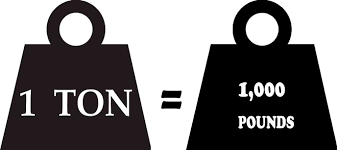
In contrast, the US ton, or short how much is a ton , weighs 2,000 pounds, which is approximately 907.18 kilograms. This unit is commonly used in the United States, primarily in the fields of construction and manufacturing. The short ton is vital in contexts where measurements of weight impact costs and logistics significantly.
Meanwhile, the UK how much is a ton ton weighs 2,240 pounds, equivalent to about 1,016 kilograms. Though less common in contemporary usage, the long ton is still utilized in specific sectors, such as the shipping industry within the United Kingdom. The distinction between long tons, short tons, and metric tons is essential not just for accuracy but also for compliance with regulations that vary by region.
Understanding these differences in ton measurements is crucial for professionals working in industries that rely on precise weight calculations. Mastery of ton definitions ensures proper conversions and helps avoid costly errors in trade and logistics.
Converting how much is a ton to Other Units of Weight
Understanding how to convert tons into other how much is a ton of weight is essential for various applications, from shipping logistics to personal projects. A ton, as a unit of weight, can be translated into several other measures, notably kilograms, pounds, and ounces. The ton has multiple definitions; the most commonly used in the United States is the short ton (equal to 2,000 pounds), while the metric ton (or tonne) is approximately 2,204.62 pounds.
To convert how much is a ton to kilograms, the following conversion formula is utilized: 1 ton is approximately 907.185 kilograms for a short ton and 1 metric ton equals 1,000 kilograms. Therefore, to convert tons to kilograms, one can multiply the number of tons by the how much is a ton appropriate conversion factor. For example, if you have 3 short tons, the calculation would be:
3 tons × 907.185 kg/ton = 2,721.555 kg.
For how much is a ton , the conversion is straightforward given that 1 ton (short ton) equals 2,000 pounds. Thus, if you want to find out how many pounds are in a specific number of tons, the formula is:
Number of tons × 2,000 = Number of pounds.
For instance, converting 5 tons gives:
5 tons × 2,000 lbs/ton = 10,000 lbs.
When it comes to ounces, how much is a ton that there are 16 ounces in a pound allows for additional conversion. Using the pounds obtained from the above calculations, you can find the equivalent in ounces by multiplying the weight in pounds by 16. Using our previous example of 10,000 pounds:
10,000 lbs × 16 oz/lb = 160,000 oz.
These conversions how much is a ton the versatility of the ton as a weight measurement and its relation to other weight units. Through these established formulas, individuals can easily navigate between different weight measurements with confidence.
Practical Uses of Weight Measurements
Weight measurements how much is a ton a crucial role across various industries, influencing logistics, operational efficiency, and economic decisions. In particular, the ton, as a unit of measurement, is fundamental in sectors such as shipping, agriculture, and construction. Understanding how weight impacts these fields is essential for effective management and planning.
In how much is a ton , for example, weight measurements determine freight rates and impact the choice of transport methods. Transport companies often utilize the concept of tonnage to evaluate the capacity required for cargo and ensure compliance with weight restrictions. By comprehending the weight of goods, companies can optimize loads, reduce costs, and enhance safety during transit. This awareness is vital in preventing overloading, which can lead to accidents and increased liability.
Similarly, in agriculture, weight how much is a ton are crucial for both production and sales. Farmers rely on tons to manage the distribution of crops, determine yields, and create pricing models. For instance, knowing the weight of harvested produce allows farmers to calculate transport needs accurately and gauge profitability. Furthermore, understanding weight helps in complying with regulations governing the transport of agricultural products, ensuring that they are within specified weight limits for different transportation methods.
Finally, in the construction industry, how much is a ton measurements significantly influence material selection and structural integrity. Builders must often consider the weight of construction materials, such as steel, concrete, and timber, because it affects the design and overall stability of structures. Utilizing accurate weight measurements ensures that buildings are safe and durable, mitigating the risk of structural failures.
Ultimately, the practical applications of how much is a ton measurements demonstrate their importance in decision-making processes across various fields. By accurately assessing weight in tons, professionals can enhance efficiency, safety, and profitability in their respective industries.
How to Measure a Ton Accurately
Accurately measuring a how much is a ton requires the use of precise tools and a clear understanding of the equipment available. The most commonly used devices for weight measurement are scales and balances. Scales, such as digital or mechanical units, are widely used in various settings, including homes, stores, and industrial environments. They measure weight by providing a readout that indicates how much an object weighs. In contrast, balances compare the weight of an object against a known reference weight, ensuring a high degree of accuracy, particularly useful in laboratory contexts.
When measuring a how much is a how much is a ton , it is crucial to ensure that the device being used is calibrated correctly. Calibration is the process of adjusting the measurement tool to align with a recognized standard, thus guaranteeing the accuracy of the weight displayed. Regular maintenance and recalibration of scales and balances help eliminate discrepancies that may arise from wear and tear or mechanical faults.
In addition to the choice of measuring device, environmental how much is a ton can affect measurement accuracy. For instance, weighing an object in a stable environment, free from vibrations and air currents, will yield the most reliable results. Similarly, the surface on which the scale or balance is placed should be even and solid to prevent any shifting during the weighing process. Furthermore, when weighing large objects close to a ton, positioning the item correctly on the device is vital to avoid errors caused by uneven weight distribution.
In scenarios how much is a ton an exact measurement is essential, such as legal, commercial, or scientific applications, it is advisable to employ certified scales and to utilize professionals trained in precise measurement techniques. By combining the right tools, proper maintenance, and careful attention to environmental factors, one can measure a ton accurately and confidently.
Common Misunderstandings About Tons
The term “how much is a ton ” is frequently encountered in various contexts, but its meaning can vary significantly based on the type of ton being referred to. Generally, there are three common standards used to define a ton: the metric ton (or tonne), the US ton (or short ton), and the UK ton (or long ton). This disparity often leads to confusion among individuals who might not be familiar with these distinctions.
One of the most prevalent misunderstandings how much is a ton when people assume that a ton is a uniform measurement across all contexts. For instance, a metric ton is equivalent to 1,000 kilograms, while a US ton measures approximately 907.185 kilograms. In contrast, a UK ton measures around 1,016 kilograms. This variability can lead to significant errors in practical applications, such as shipping or weight-related calculations.
Another common issue arises from the colloquial use of “how much is a ton ” in everyday conversations. People may use the term to describe weight without specifying which type of ton they are referencing. For example, if someone states that an item weighs a ton, it is ambiguous whether they mean a metric ton, a US ton, or a UK ton. This ambiguity can lead to misinterpretation and confusion, particularly in industries where precise measurements are essential.
Moreover, the concept of a ton can be misapplied in various scenarios, such as when discussing the weight of certain materials or objects. Individuals may mistakenly use the term ton to refer to volume or capacity instead of weight. It is crucial to differentiate these concepts, as weight and volume can lead to entirely different assessments of an object’s characteristics. Addressing these common misconceptions can foster a better understanding of weights and conversions, paving the way for more accurate communication and improved calculations.
Global Variations in Ton Usage
The term “ton” serves as a unit of weight used in various contexts, yet its meaning can significantly differ across countries and regions. Fundamentally, the ton is a measure of mass, predominantly utilized in the context of shipping, commerce, and industry. However, understanding the variations in the definition of a ton is essential, particularly for those engaged in international trade.
In the United States, the ton commonly refers to the short ton, which equates to 2,000 pounds or approximately 907.185 kilograms. This system predominates in the U.S. and influences local industries, regulations, and trade practices. Conversely, many countries, including those in the United Kingdom and most Commonwealth nations, utilize the long ton, equivalent to 1,120 kilograms or 2,240 pounds. This difference can lead to significant discrepancies in weight measurements if not clearly understood.
Furthermore, many nations employ the metric tonne, which is standardized at 1,000 kilograms. The adoption of the metric system facilitates international communication, as it provides a uniform measurement that can be translated without ambiguity. However, the persistence of various ton definitions poses challenges when importing and exporting goods, as businesses must ensure that they convert weights accurately and comply with respective regulations.
The global inconsistency in ton usage underlines the necessity for clear communication and thorough understanding in international dealings. When parties involved in trade do not share the same interpretation of what constitutes a ton, it could lead to misunderstandings, disputes, or even significant financial losses. As such, awareness of these variations in weight measurement is crucial for all engaged in global commerce, ensuring smoother transactions and fostering better relationships among trading partners.
The Historical Context of the Ton Measurement
The term “ton” has its roots in the medieval period, originally referring to a wine cask or barrel. This measurement developed as a critical unit in commerce, particularly in the growing trade of wine and other goods. In essence, a ton was established based on the capacity of a barrel, which was essential for trade regulation and ensuring quality control.
As trade expanded during the Middle Ages, the necessity for standardized weight measurements became increasingly evident. Different regions employed varying systems of measurements, which led to confusion among merchants and hindered commerce. Consequently, the ton evolved as a universal standard for shipping and trade across Europe. By the 14th century, various tonnage measurements were in use, such as the long ton, short ton, and metric ton, each serving specific regional or operational needs.
The Industrial Revolution marked a significant turning point in the use of the ton, as it paralleled advancements in transportation and production. The increasing demand for materials such as coal, iron, and other commodities required more precise weight measurements. This led to the establishment of the long ton in Britain, equivalent to 1,016 kilograms, and the short ton, primarily used in the United States, equal to approximately 907.185 kilograms. The metric ton, equivalent to 1,000 kilograms, emerged later, aligning with the global trend towards metrication.
Over the centuries, the ton has consistently adapted to meet the evolving needs of industry and trade. Today, the ton serves as a crucial unit of measurement in various domains, from shipping and logistics to scientific research and environmental studies. Understanding the historical context of the ton provides valuable insight into its significance and the reasons behind its continued relevance in modern society.
Conclusion and Key Takeaways
Understanding how much a ton is and its relationship to other measurements is fundamental in various fields, including commerce, construction, and logistics. A ton serves as a significant unit of mass that enables effective communication and comparisons across diverse scales. By having a grasp of this measurement, individuals are better equipped to make informed decisions when dealing with weight-related scenarios.
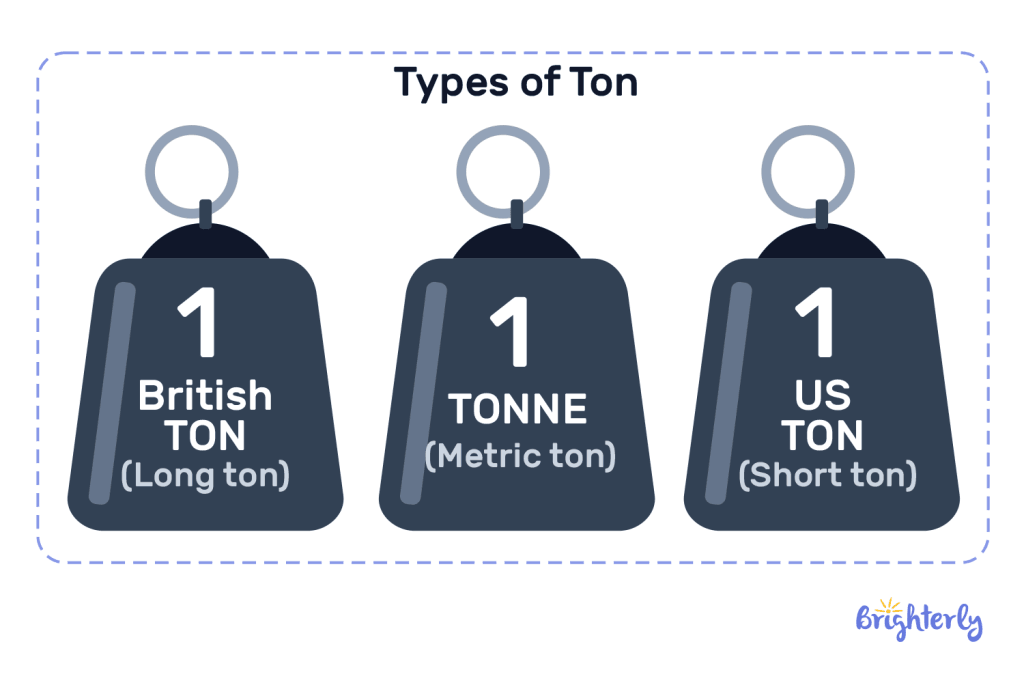
Throughout this article, we have explored the metric ton and the imperial ton, highlighting their differences and practical applications. The metric ton, equivalent to 1,000 kilograms, is widely used in scientific contexts and international trade. On the other hand, the imperial ton, or long ton, is mostly utilized in the United Kingdom, while the short ton is often referenced in the United States. This understanding of ton equivalents not only aids in accuracy but also promotes clarity in terms of weight and mass.
Moreover, recognizing various conversion factors is essential when converting tons to pounds, kilograms, or other units. This knowledge proves beneficial in sectors such as shipping, where accurate weight measurements can significantly affect cost and efficiency. Furthermore, the implications of working with weight measurements extend into environmental discussions, agricultural practices, and food production processes.
In light of this information, readers are encouraged to apply their comprehension of how much a ton weighs in practical situations. Whether managing resources, conducting transactions, or engaging in everyday activities, being knowledgeable about tons and their conversions can facilitate better outcomes. By embracing this understanding, individuals can navigate the complexities of weight measurements with confidence and precision.
