


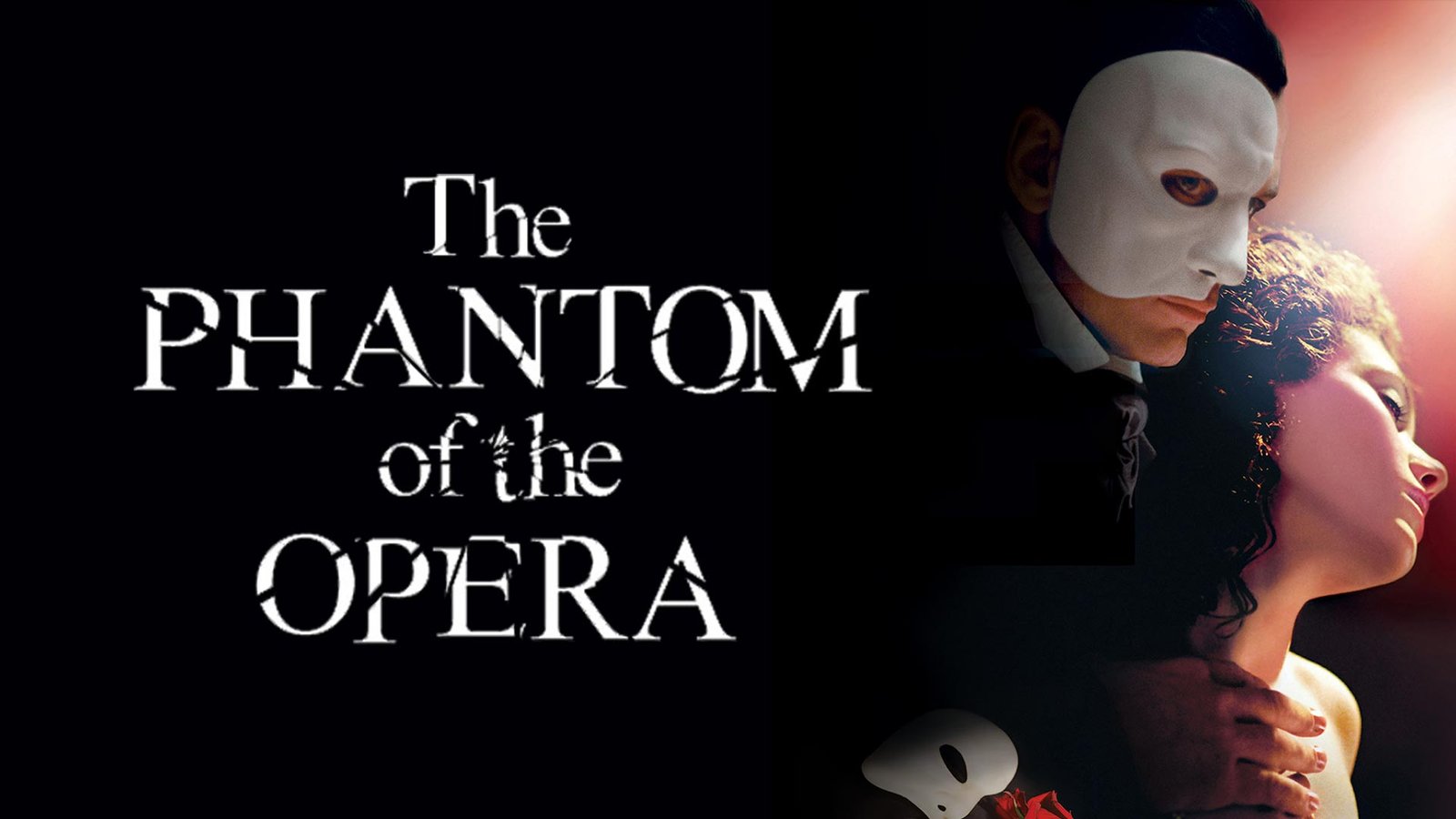
Introduction to The Phantom of the Opera
“The Phantom of the Opera” originally emerged as a novel penned by French writer Gaston Leroux and was first published in 1910. This compelling tale intertwines themes of love, obsession, and the supernatural, centered around a mysterious and disfigured musical genius who resides in the shadows of the Paris Opera House. Leroux’s intricate narrative captivated readers, laying a rich foundation for the various adaptations that would follow.
The story’s watch the phantom of the opera (2004 film) appeal led to its transformation into a celebrated stage musical, with music composed by Andrew Lloyd Webber, which premiered in London’s West End in 1986. This adaptation significantly broadened the reach of the narrative, introducing the haunting melodies and dramatic scenes that have since become iconic. The musical redefined the landscape of theatrical productions, solidifying the story’s place in popular culture and drawing attention from audiences worldwide.
In 2004, “The Phantom of the Opera” made its notable transition to the big screen under the direction of Joel Schumacher. This film adaptation brought the exquisite musical score and evocative storytelling to a new audience, combining cinematic visuals with the powerful performances of its cast, including Gerard Butler as the Phantom and Emmy Rossum as Christine Daaé. The film embraces both the romantic and macabre elements of Leroux’s original work, while also showcasing the timeless relevance of the themes explored in the narrative.
The movie achieved substantial commercial success and subsequently gained a devoted following, marking its significance in the context of musical films. The cultural impact of “The phantom of the opera of the Opera” transcends generations, resonating with those who appreciate music, drama, and the complexities of human emotion, further establishing its legacy as a classic in both literature and entertainment.
Plot Synopsis of the 2004 Film
The 2004 film adaptation of “The Phantom of the Opera” unfolds within the mystical setting of a Parisian opera house in the late 19th century, serving as a rich backdrop for a tragic tale of unrequited love and obsession. Central to the story are three key characters: Christine Daaé, a talented young soprano; the enigmatic Phantom, a disfigured musical genius who lives beneath the opera house; and Raoul, the noble viscount who harbors deep affection for Christine.
At its core, the plot revolves around phantom of the opera rise to stardom with the Phantom’s clandestine guidance. The Phantom, initially enchanted by Christine’s voice, secretly shapes her career while simultaneously falling deeply in love with her. His emotional turmoil is palpable as he grapples with his feelings for Christine, contrasted against his twisted sense of possession and jealousy, particularly towards Raoul, who becomes an obstacle to his desires.
The central conflict escalates when Christine, while being drawn into the realm of fame and fortune, finds herself torn between the overwhelming love of the phantom of the opera and the genuine affection she holds for Raoul. Tensions rise as the Phantom’s emotional instability leads to dramatic confrontations, including haunting musical sequences that reveal his profound sorrow and longing. Key moments, such as the iconic masquerade ball and the tragic finale in the catacombs, create an atmosphere saturated with mystery and heightened emotions, compelling the audience to witness the destructive power of obsession.
As the story unfolds, choices made by Christine and Raoul culminate in a heart-wrenching climax that ultimately determines each character’s fate. The film expertly intertwines the motifs of love, loss, and the haunting specter of the past, offering viewers a compelling reflection on the duality of beauty and tragedy in the world of music and human relationships.
Main Characters and Their Development
The film “The Phantom of the Opera” features a rich tapestry of characters whose psychological and emotional complexities drive the narrative forward. At the heart of the story is the enigmatic figure known as the Phantom, portrayed as a deeply troubled character. His obsession with Christine Daaé stems not only from her extraordinary talent but also from his own painful past, marked by isolation and rejection. This duality in his persona—simultaneously a brilliant artist and a tormented soul—creates a powerful tension that captivates the audience and adds depth to his character arc.
Christine Daaé embodies phantom of the opera and aspiration; her journey from a chorus girl to a celebrated prima donna is significant. Initially, Christine is entranced by the Phantom’s music and guidance. Over time, she begins to confront her own feelings and desires, especially as they intertwine with those of Raoul, her childhood friend and love interest. Christine’s development is pivotal, as she evolves from a passive recipient of the Phantom’s affection to an empowered individual capable of making her own choices. This growth emphasizes the themes of self-discovery and the struggle between love and art.
Raoul is another essential character who adds a contrasting dynamic to the phantom of the opera. Representing light and love, his noble intentions and courage stand in stark opposition to the Phantom’s darker tendencies. The evolution of Raoul’s character is marked by his determination to protect Christine, leading to intense confrontations with the Phantom. These interactions are not merely antagonistic; they serve to highlight the emotional gravity of Christine’s predicament and the choices she faces. Thus, the interplay between the Phantom, Christine, and Raoul encapsulates the film’s central themes of love, obsession, and sacrifice, showcasing the complex relationships that underpin the narrative.
Musical Score and Soundtrack Highlights
Andrew Lloyd Webber’s composition for “The Phantom of the Opera” is nothing short of masterful, intertwining elements of classical music with modern theatrical innovation. The film adaptation from 2004 presents an array of haunting melodies and powerful arias that enhance the theatrical experience, bringing forth the emotional intensity of Gaston Leroux’s timeless story. The musical score plays a pivotal role in conveying the characters’ emotional landscapes and propelling the narrative forward.
One of the key features of the soundtrack is the iconic song “The Music of the Night,” where the Phantom, portrayed by Gerard Butler, seduces Christine Daaé with his enchanting voice. This particular piece showcases Webber’s ability to blend romanticism with the darker tones of the Phantom’s character. The lush orchestration paired with Butler’s powerful delivery creates an atmosphere that is both captivating and chilling, perfectly encapsulating the complex dynamics between the characters.
Furthermore, the duet “All I Ask of You” highlights the emotional conflict between love and fear as it features Christine’s vulnerability and Raoul’s protective instincts. It reveals the contrasting styles between the characters while simultaneously creating a melodic harmony that resonates with the audience. The music throughout the film serves not only as a backdrop but as an active participant in storytelling, elevating each scene’s mood and depth.
Lloyd Webber’s comprehensive use of motifs further reinforces the themes of love, obsession, and despair. Each song acts as a vessel for the characters’ inner turmoil, making the soundtrack an essential component of the film. Thus, the musical score and standout performances in “The Phantom of the Opera” not only enrich the audience’s experience but also maintain the emotional weight of a story that has captured hearts for generations.
Cinematic Techniques and Visual Style
In the 2004 adaptation of The Phantom of the Opera, directed by Joel Schumacher, the cinematic techniques employed are pivotal in crafting the film’s mesmerizing gothic atmosphere. The cinematography is particularly noteworthy, utilizing a rich color palette that blends deep reds, blacks, and soft gold hues, which are emblematic of the themes of passion and despair. This choice of lighting and color contributes significantly to the overall aesthetic, enhancing the emotional resonance of the story.
The use of sweeping camera movements and close-up shots serves to immerse the viewer in the intricate world of the opera house. For example, the camera often glides through vast corridors, echoing the grandeur and opulence of the setting while emphasizing the isolation experienced by the characters, notably the Phantom. Such techniques help delineate the juxtaposition between the lavish exterior of the opera house and the haunting presence that lurks within.
Set design plays an equally crucial role in establishing the film’s atmosphere. The opulent interiors of the opera house, complete with ornate chandeliers, intricate moldings, and lavish décor, evoke a sense of historical authenticity while also enhancing the film’s dark undertones. Each scene is meticulously crafted to reflect the emotional weight carried by its characters, further deepening the viewer’s engagement.
Costume choices complement the visual style, with the garments worn by the characters enhancing their personalities and societal roles. Christine’s ethereal dresses symbolize her innocence and burgeoning femininity, while the Phantom’s dark, tattered attire embodies his tragic existence. Overall, the combination of these cinematic techniques—and their deliberate execution—fosters a hauntingly beautiful visual landscape that invites viewers to explore the multifaceted narrative of love, obsession, and mystery.
Themes and Symbolism in The Phantom of the Opera
The Phantom of the Opera (2004) presents a rich tapestry of themes and symbols that resonate deeply with audiences, elevating its narrative beyond a mere tale of love and longing. Central to the story is the theme of love, portrayed through the intertwining lives of Christine Daaé and the Phantom. Their love encapsulates both passion and pain, illuminating the complexities of human emotion. Christine’s duality in choosing between the tender, genuine affections she feels for Raoul and the consuming, almost possessive love of the Phantom underscores love’s multifaceted nature.
Another prevalent theme is obsession, especially evident in the character of the Phantom himself. His obsessive desire to possess Christine not only drives the plot but also serves as a cautionary tale about the darker sides of affection. This obsession, masked by his imperfections and isolation, illustrates the psychological depths of unrequited love, inviting audiences to reflect on the boundaries one should uphold in matters of the heart.
Moreover, the duality of beauty and ugliness plays a crucial role in the story. The aesthetic contrasts between Christine’s innocent beauty and the Phantom’s disfigurement represent societal judgments and the paradox of external appearances dictating one’s worth. This dichotomy invites viewers to question prevailing notions of beauty—both physical and emotional—and to seek understanding beyond superficial attributes.
The film’s elaborate symbolism enriches its narrative, exemplified through the iconic opera house itself, serving as a microcosm of the world where art, passion, and tragedy intertwine. As audiences engage with these themes, they are compelled to ponder the intricate balance between love and obsession, and beauty and ugliness, reinforcing the film’s enduring allure.
Critical Reception and Audience Response
Upon its release in December 2004, Phantom of the Opera received a mixture of reviews from critics, which overall reflected a divide in opinions regarding its execution and adaptation from the acclaimed musical. While the film garnered positive remarks for its sweeping visuals and production design, some critics pointed out weaknesses in its pacing and narrative depth. The New York Times lauded the film for its “grand theatricality,” highlighting its ability to ingeniously bring Andrew Lloyd Webber’s musical to the big screen. Conversely, some reviewers found the performances lacking, particularly criticizing the lead actors’ portrayal of complex characters.
The audience responses varied similarly, with many fans of the musical embracing the film’s artistic direction, while others expressed disappointment. The film managed to be a substantial box office success, grossing approximately $154 million worldwide against a budget of $70 million. This commercial performance indicated a strong initial interest, primarily driven by the coveted reputation of the original stage production.
Awards recognition also played a significant role in the film’s legacy. Phantom of the Opera received three Academy Award nominations, including Best Art Direction, which it won, further solidifying its status in cinematic history. Over the years, the film has been revisited by audiences, with many reconsidering its merit in the contexts of both musical adaptations and as a standalone film. The enduring popularity of the music, coupled with the visual spectacle it presented, ensures that the film remains a topic of discussion among film and musical enthusiasts alike.
Legacy and Influence on Modern Cinema
The 2004 film adaptation of The Phantom of the Opera, directed by Joel Schumacher, has left an indelible mark on the landscape of musical films and cinematic adaptations of stage productions. Its blend of breathtaking visuals and powerful musical performances reinvigorated interest in the original story, which is based on Gaston Leroux’s novel and Andrew Lloyd Webber’s acclaimed stage musical. This film not only introduced a new generation to the haunting tale of love, obsession, and tragedy, but also set a new standard for subsequent adaptations in the genre.
The artistry of the 2004 film, combined with its lavish production design and meticulous attention to detail, paved the way for future filmmakers to explore similar adaptations with a fresh perspective. For instance, the success of this version can be seen in the later productions of other beloved musicals, such as Les Misérables and The Greatest Showman, which followed suit by emphasizing high production values and detailed storytelling. The meticulous craftsmanship of The Phantom of the Opera showcased how an adaptation could retain the emotional depth of the original while appealing to modern audiences.
Moreover, the film’s influence extends beyond just musical adaptations. Its significant use of vivid cinematography and theatrical elements captured the essence of Broadway while simultaneously integrating it into mainstream film. Many contemporary directors have drawn inspiration from its storytelling approach, creating films that blend emotional narrative arcs with musical elements. By emphasizing themes that resonate with the human experience, The Phantom of the Opera has anchored itself as a classic, continuing to inspire filmmakers and musicians alike in their creative endeavors.
Conclusion: Why You Should Watch The Phantom of the Opera (2004 Film)
In the realm of musical cinema, few watch the phantom of the opera (2004 film) resonate as profoundly as The Phantom of the Opera (2004). Directed by Joel Schumacher, this adaptation of Andrew Lloyd Webber’s acclaimed stage musical brings to life a haunting narrative filled with love, obsession, and tragedy set against the backdrop of the iconic Paris Opera House. Its artistic achievements are evident in both the lavish production and the powerful performances that elevate the story beyond mere entertainment.
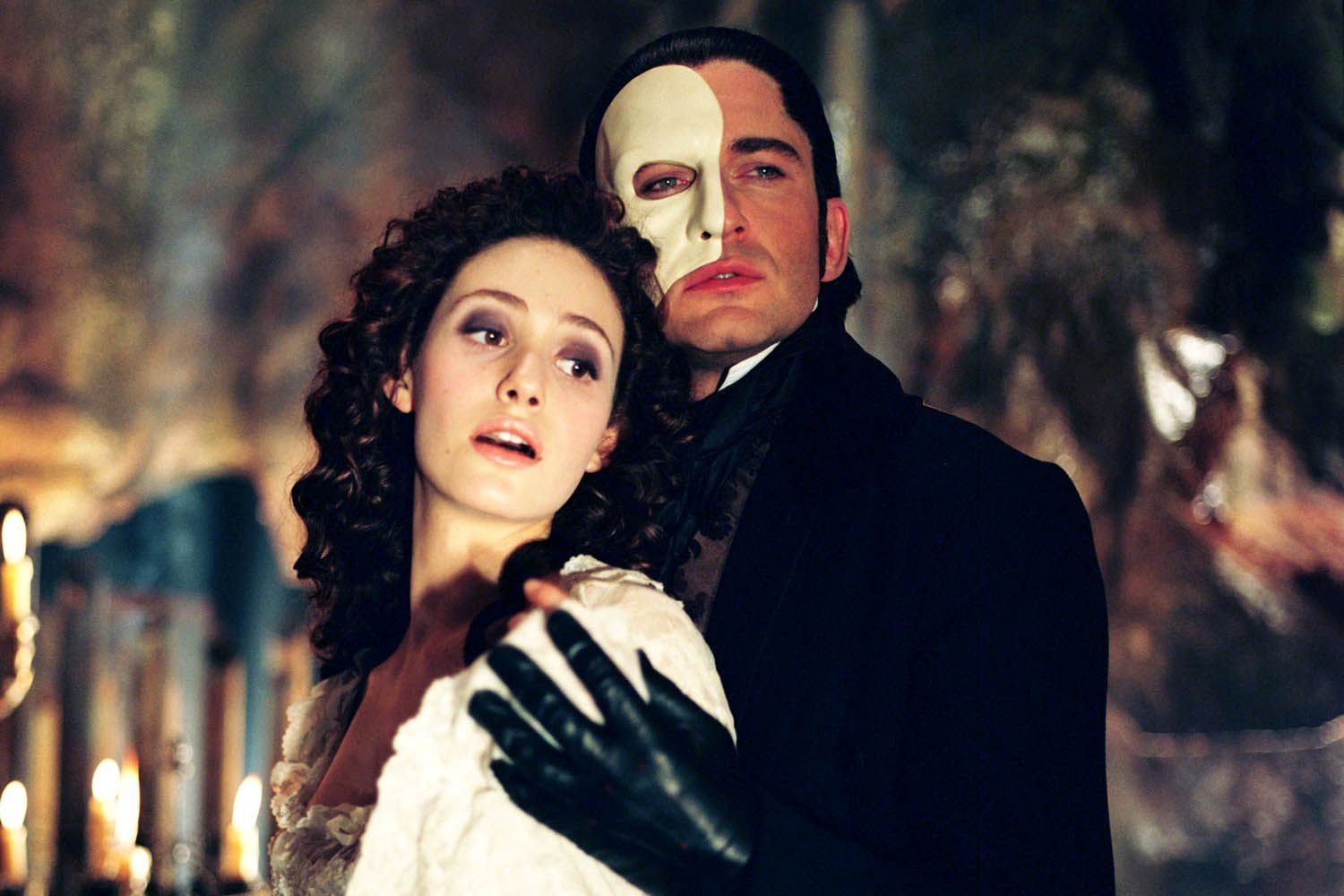
The film captivates audiences not only through its stunning visual artistry but also by delivering an emotionally charged experience. The performances of Emmy Rossum as Christine Daaé and Gerard Butler as the enigmatic Phantom showcase the depth of their characters, drawing viewers into a whirlwind of passion and despair. The breathtaking cinematography and sumptuous costumes further enhance the immersive quality of the film, making it a true feast for the eyes.
Moreover, the timeless story that resonates across generations adds to its significance in cinematic history. The underlying themes of longing and the human spirit’s dark complexities are explored with depth, ensuring that audiences are not only entertained but also moved. Additionally, the exceptional music, filled with memorable melodies and stirring lyrics, anchors the film. Each song deepens the narrative, showcasing Webber’s brilliance and solidifying the film’s status as a critical piece of musical storytelling.
In the end, experiencing The Phantom of the Opera (2004) goes beyond simply watching a film; it is inviting oneself into an atmospheric exploration of art and humanity. For those who appreciate the magic of music and the enigma of storytelling, this film is a must-watch, securing its rightful place in both film and musical history.
