



Introduction to Video Conferences
video conference tips refers to a technology-enabled communication method that allows individuals to engage in real-time audio and visual interactions from different geographical locations. This form of communication has surged in popularity, particularly in professional settings, as it provides a cost-effective and efficient way to hold meetings, collaborate on projects, and maintain connections with colleagues and clients without the need for travel.
The importance of video conference tips has been underscored by recent global events, which have accelerated the shift towards remote work and the necessity for flexible communication solutions. With robust platforms available, organizations have increasingly adopted video conferencing tools to uphold productivity while ensuring safety and accessibility for their team members.
As businesses and individuals alike navigate this digital-first landscape, it becomes imperative to embrace effective video conference tips practices. These practices not only enhance the quality and efficacy of virtual meetings but also promote professionalism and engagement among participants. To ensure clear communication and collaboration, understanding the nuances of video conferencing—including platform functionalities, etiquette, and technical preparations—is essential.
Guidelines for successful video conference tips often cover aspects such as proper lighting, audio clarity, background settings, and the importance of participant engagement. As virtual meetings become an integral part of daily routines, leveraging video conference tips enables individuals to present themselves confidently and communicate ideas effectively. By making conscious adjustments to their virtual meeting habits, participants can optimize their experience and foster productive dialogues, regardless of the distance between them.
Essential Preparation Before Your Meeting
Preparing for a video conference tips is crucial for ensuring a smooth and effective meeting. The first step is to check your technology. Ensure that your computer or device is functioning properly, and that the necessary software for the conference is installed and updated. This includes verifying webcam functionality, microphone settings, and speaker volume. A quick test run with a colleague can help identify any issues that may arise during the actual meeting.
Next, consider your bandwidth. A stable internet connection is essential for a seamless video conference tips experience. If possible, connect your device directly to your router via an Ethernet cable, as this typically provides a more stable connection than Wi-Fi. If you must rely on a wireless connection, minimize the number of devices using the bandwidth to avoid interruptions.
Setting a clear agenda is another vital component of your preparation. Distributing an agenda prior to the meeting allows participants to come prepared and focused. It can help keep the meeting structured, ensuring that time is allocated effectively so all important topics are discussed. Additionally, it might be beneficial to assign roles or topics to specific attendees, encouraging participation and accountability.
video conference tips the environment where you will be appearing on the video call. Invest some time in optimizing your lighting, as well-lit spaces help enhance your appearance on camera. Natural light is preferable, but if it’s not available, soft, diffused lighting can work effectively. Also, be mindful of background distractions; a clean, uncluttered space is ideal, sometimes opting for virtual backgrounds can help maintain professionalism and focus on the content of the meeting.
Choosing the Right Platform for Your Needs
In today’s digital age, selecting the appropriate video conference tips platform is paramount for successful virtual meetings. With numerous options available, such as Zoom, Microsoft Teams, and Google Meet, each platform offers distinct features that cater to different types of meetings and audiences.
Zoom is renowned for its user-friendly interface and offers features like breakout rooms, virtual backgrounds, and an extensive range of integrations with other apps. This makes it particularly suitable for webinars, large group meetings, and educational sessions. The platform’s ability to host up to 1,000 video participants in a single meeting is a significant advantage for organizations needing to accommodate large audiences.
On the other hand, Microsoft Teams stands out for its seamless integration with the Microsoft 365 suite. It is ideal for organizations already using Microsoft products, video conference tips collaboration through chat, file sharing, and real-time document editing within meetings. Teams is best suited for internal meetings where continuous collaboration is essential, providing a comprehensive solution beyond just video conferencing.
Google Meet, formerly known as Hangouts Meet, focuses on simplicity and security, making it an appealing choice for organizations seeking an easy-to-use platform. It offers built-in security features and direct integration with Google Calendar, allowing for straightforward scheduling and video conference tips access. This platform is particularly advantageous for smaller meetings and quick check-ins, where efficiency is key.
When selecting a video conferencing tool, consider your audience and the specific needs of your meetings. Questions to ask include: How large is video conference tips your meeting? What collaboration features do you require? What existing tools does your organization already utilize? By understanding your requirements and evaluating the capabilities of these platforms, you can choose the best video conferencing solution to enhance your virtual meetings and facilitate effective communication.
Communication Techniques for Effective Virtual Interaction
In the realm of virtual meetings, effective communication is paramount to ensure that discussions are productive and engaging. One of the foundational techniques for video conference tips interaction is maintaining eye contact. In a video conference, this means looking directly into the camera rather than at the screen. This simple act fosters a sense of connection and encourages participants to feel more engaged with the speaker and each other.
Using clear and video conference tips language is equally important during virtual meetings. Given the potential for technical disruptions, speakers should aim to articulate their points succinctly, avoiding jargon or overly complex explanations. Clarity keeps the meeting on track and aids in the retention of information being discussed. Utilizing visual aids can also complement verbal communication, helping to convey ideas more effectively and catering to various learning preferences among participants.
Managing the flow of video conference tips is crucial in maintaining engagement during virtual interactions. It is beneficial to implement a structured format where one individual speaks at a time, which can help prevent interruptions and allow for a coherent exchange of ideas. Furthermore, encouraging participation from all attendees promotes inclusivity and ensures diverse perspectives are considered. One effective strategy is to incorporate open questions or designate roles for participants to share their insights or updates, which can stimulate discussion and keep individuals actively involved.
Lastly, leveraging the chat functions available in most video conference tips tools can serve as a valuable supplementary resource. This allows participants to share thoughts, pose questions, or provide feedback without disrupting the speaker’s flow. By combining these communication strategies, participants can create a more engaging and productive atmosphere for virtual meetings, ultimately enhancing the overall experience for everyone involved.
Managing Technical Issues During the Conference
In the dynamic environment of video conference tips, it is common to encounter various technical issues that can disrupt the flow of meetings. Addressing these challenges effectively is essential to maintain professionalism and ensure productive discussions. One of the most frequent issues reported during virtual meetings is audio problems. To troubleshoot audio issues, first, check your microphone settings and ensure that your device is not muted. It can also be helpful to adjust your audio input in the conference software settings to select the correct microphone.
video conference tips issues can also arise, leading to distorted images or complete disconnection. If the video feed is fuzzy or freezing, consider checking your internet connection, as bandwidth limitations can impact video quality. If possible, using a wired connection instead of Wi-Fi can enhance stability. Additionally, closing unnecessary applications that consume bandwidth may improve performance.
Another common issue involves participants being unable to join the meeting due to software compatibility problems or device-related errors. To mitigate this issue, ensure that all participants have the necessary video conference tips installed and updated before the meeting begins. Providing clear instructions on how to access the meeting can prevent confusion and missed connections.
When faced with technical difficulties, it is crucial to remain calm and composed. Communicating transparently with all participants regarding any issues can alleviate frustrations. Acknowledge the problem while providing potential solutions or estimated timelines for resolution. This approach not only exhibits professionalism but also fosters a collaborative video conference tips. Remember, while technical glitches are sometimes unavoidable, how one responds to them can significantly impact the overall effectiveness of the video conference.
Incorporating Multimedia for Enhanced Engagement
In the realm of virtual meetings, maintaining participant attention can often be challenging. One effective strategy to enhance engagement is to incorporate various forms of multimedia, such as presentations, videos, and interactive polls. This not only captivates the audience’s interest but also aids in reinforcing the material being discussed.
Visual aids, particularly slideshows and infographics, serve as powerful tools. They help distill complex information into digestible formats that are easier for participants to understand and remember. Presentations that feature compelling video conference tips alongside concise bullet points can effectively highlight key messages and maintain focus throughout the session. Likewise, video clips provide real-world examples that can illustrate concepts, spark discussions, and create a dynamic viewing experience.
Moreover, integrating interactive elements such as polls or quizzes can significantly boost involvement. Such tools allow video conference tips to express their views in real time, making the meeting more democratic and fostering a sense of community among remote attendees. This interaction not only breaks the monotony of traditional presentations but also enhances retention by reinforcing learning through active participation.
However, it is essential to ensure that the use of multimedia aligns with the overall objectives of the meeting. Careful selection and timing of these elements can determine their effectiveness in improving comprehension and engagement. Multimedia should amplify the message rather than distract from it. Thus, balancing content delivery with visual stimulation is key to creating an engaging and productive virtual meeting environment.
Follow-Up and Feedback After the Meeting
Following a video conference, the actions taken during the follow-up stage play a crucial role in determining the effectiveness of the meeting. Proper follow-up not only reinforces the commitments made but also establishes accountability among participants. To maximize the impact of your video conferences, it is essential to implement best practices in gathering feedback, summarizing the outcomes, and communicating action items clearly.
One effective strategy for follow-up is to send a succinct summary of the meeting to all participants soon after its conclusion. This summary should highlight key discussion points, decisions made, and any assignments delegated to specific individuals. By consolidating this information into a well-structured email or document, you help ensure that attendees leave with a clear understanding of the next steps and their respective responsibilities.
In addition to summarizing outcomes, it is important to solicit feedback from participants regarding the meeting itself. This can be done through anonymous surveys or direct requests for input. Questions could include inquiries about the clarity of the meeting objectives, the effectiveness of the presentation, and areas for improvement. Gathering feedback not only demonstrates that you value participant input but also aids in refining future video conference experiences.
Lastly, to ensure that action items remain visible, it can be beneficial to establish a follow-up schedule or project management tool that tracks progress. Implementing reminders for both the team and individuals responsible for specific tasks can significantly enhance accountability and productivity. In this way, constructive follow-up and feedback processes contribute to the overall success of virtual meetings and encourage a culture of continuous improvement within teams.
Common Mistakes to Avoid in Video Conferencing
In the realm of virtual meetings, there are several common pitfalls that participants may encounter, which can detract from the overall effectiveness of the video conference. One primary mistake is multitasking during the meeting. It is tempting to respond to emails or engage in other tasks while attending a video call. However, this takes attention away from the conversation, leading to misunderstandings and a lack of engagement. To combat this, participants should be encouraged to silence notifications and focus solely on the meeting content.
Poor time management is another prevalent issue. Meetings can quickly spiral over time limits if there is no clear agenda. Participants often spend too much time on tangents or fail to allocate specific periods for different discussion points. It is advisable to prepare a structured agenda before the meeting, allowing attendees to stay on topic and ensuring that all subjects are adequately addressed within the designated time frame.
Additionally, neglecting to mute microphones when not speaking can result in background noise that disrupts the flow of the discussion. This scenario is especially disruptive in larger meetings, where multiple participants may create audio chaos. A simple strategy to mitigate this challenge is to establish a norm for muting microphones when individuals are not actively contributing to the conversation, allowing for a clearer communication experience.
Incorporating these strategies can significantly enhance the quality of video conferences. By actively focusing on the meeting, adhering to a structured agenda, and practicing proper microphone etiquette, participants can create a more productive and engaging virtual environment. Avoiding these common mistakes will ultimately lead to more effective and efficient meetings, fostering better communication among team members.
Conclusion: Mastering the Art of Video Conferencing
In today’s digital landscape, effective video conference tips has become a cornerstone of communication for businesses and individuals alike. The tips outlined throughout this article highlight essential practices that can significantly improve the quality and effectiveness of your virtual meetings. First and foremost, it is vital to ensure that all participants are equipped with the necessary technology and tools. Testing equipment such as microphones, cameras, and internet connections prior to the meeting can alleviate technical difficulties that might distract from the agenda.
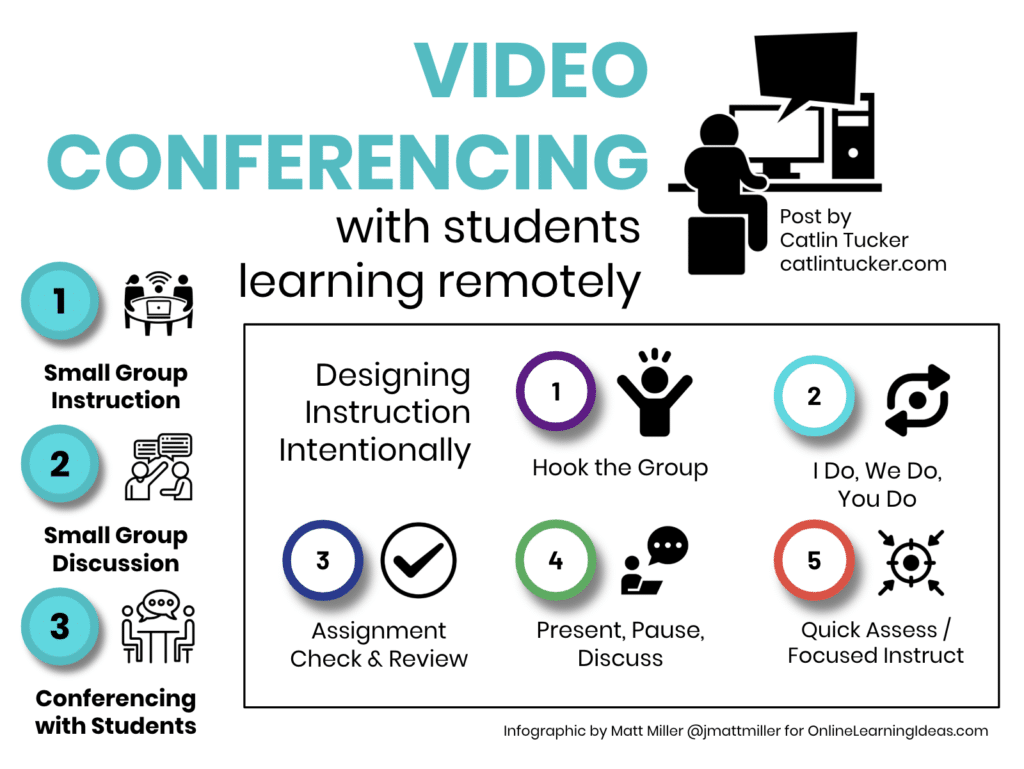
Moreover, setting a clear agenda and succinct objectives is crucial for maintaining focus and engagement. By informing attendees of the topics to be discussed in advance, participants are more likely to come prepared, leading to a more productive discussion. This clarity, coupled with mindful time management during the meeting, can enhance overall satisfaction and effectiveness.
Additionally, fostering a collaborative environment is imperative. Utilizing features such as screen sharing, polls, and breakout rooms can encourage participation and enhance the interactive nature of video calls. It is equally important to pay attention to non-verbal communication; maintaining eye contact and utilizing appropriate body language can significantly influence the dynamics of virtual meetings.
Lastly, providing a follow-up after the meeting further solidifies the outcomes and keeps the momentum going. Summarizing decisions made, assigning action items, and calling for feedback ensures that all participants feel valued and informed. Implementing these video conference tips can ultimately lead to more engaging, productive, and successful virtual meetings. As we navigate this evolving virtual landscape, mastering the art of video conferencing will serve as an indispensable asset in professional communication.
