


Understanding Teamwork
teamwork tips is a collaborative effort among individuals working towards a common goal or purpose. It is a fundamental element not only in the workplace but also in various contexts such as sports teams and community projects. The essence of teamwork lies in the collective strengths and skills that each member brings to the table, thereby enhancing the overall performance and effectiveness of the group.
In the workplace, effective teamwork is teamwork tips for the successful execution of projects and achieving organizational objectives. Employees who work together harmoniously are able to share ideas, provide support, and leverage individual strengths. This collaboration leads to enhanced creativity and innovation, as diverse perspectives typically result in more comprehensive solutions. Additionally, a well-functioning team can improve productivity, as tasks can be distributed according to each member’s expertise, reducing the time required to complete assignments.
In sports, teamwork tips resembles a finely-tuned machine where each player has a unique role that contributes to the team’s success. Athletes must communicate constantly, trust one another, and work together seamlessly to achieve victory. The presence of teamwork in sports mirrors its significance in the workplace, showcasing that collaborative efforts can lead to greater achievements, regardless of the context.
Community projects also highlight the importance of teamwork tips . When individuals come together to address local issues, the power of collaboration can lead to remarkable outcomes. Each contributor offers different skills and experiences, making it possible to tackle challenges that an individual alone may find insurmountable. The synergy generated through teamwork fosters societal growth and strengthens community bonds.
Ultimately, understanding the multifaceted nature of teamwork tips is essential for enhancing cooperation, which in turn drives successful outcomes across various fields.
Benefits of Effective Teamwork
Effective teamwork tips is fundamental to the success of any organization, and it manifests itself in various advantageous outcomes. One significant benefit of effective teamwork is the enhancement of problem-solving abilities. When diverse individuals come together, combining their unique perspectives and expertise, they are better equipped to analyze complex issues and develop innovative solutions. This collaborative approach fosters a culture where team members feel empowered to share ideas and challenge each other’s views, leading to well-rounded and thorough problem resolution.
Increased productivity is another critical advantage of effective teamwork tips . Team members working together can divide tasks according to each individual’s strengths, leading to more efficient workflow and timely completion of projects. This synergy not only accelerates the pace at which work is completed but also reduces the likelihood of errors, as team members can support and review one another’s contributions. Furthermore, with clear communication and shared goals, teams can maintain focus and motivation, ultimately propelling them toward achieving their objectives.
The relationships formed within a team are also significantly strengthened through effective teamwork. Collaborative environments foster trust, respect, and open communication among team members. These interpersonal bonds are essential for creating a supportive atmosphere, where individuals feel valued and recognized for their contributions. Additionally, working in diverse teams brings together a variety of skill sets and backgrounds, which can enrich the creative process. This diversity not only ignites creativity but also enhances the overall quality of outputs, as teamwork tips benefit from a broader range of ideas and experiences.
In summary, the benefits of effective teamwork tips are multifaceted, contributing to improved problem-solving abilities, heightened productivity, and stronger interpersonal relationships within teams. By harnessing the power of collaboration, organizations can achieve remarkable results and foster an inclusive work environment.
Key Elements of Successful Teams
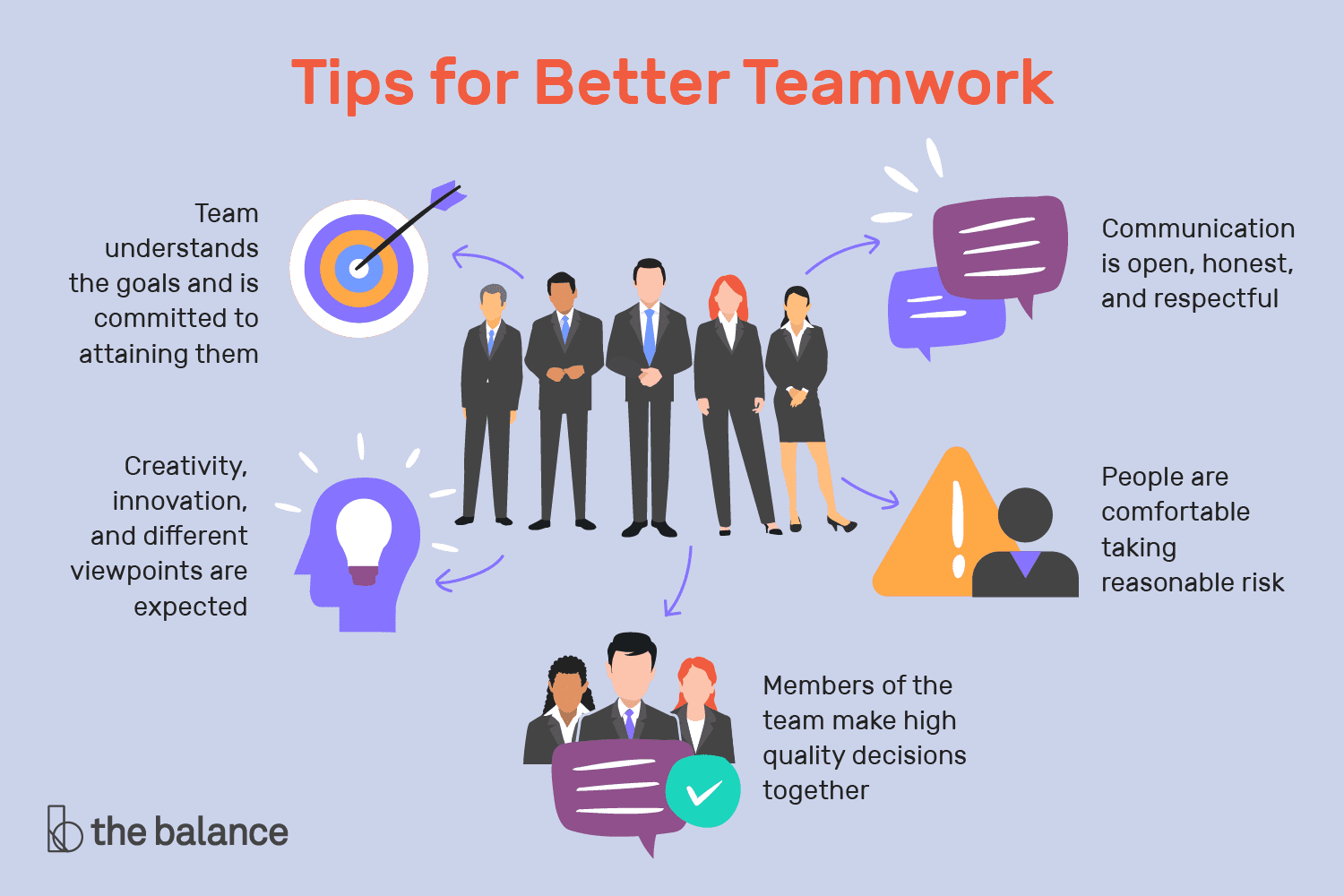
Successful teamwork tips is fundamentally built upon several key elements that foster collaboration and enhance overall performance. One primary aspect is clear communication. Effective communication ensures that all team members are on the same page regarding tasks, objectives, and expectations. Open lines of communication allow for the sharing of ideas and constructive feedback, which are essential for problem-solving and innovation.
Another essential element in a well-functioning teamwork tips is mutual respect. Team members must acknowledge and appreciate each other’s diverse skills and perspectives. This respect fosters an inclusive environment where team members feel valued, leading to increased motivation and commitment to group goals. When respect is prevalent, it helps to create a culture of collaboration where differing opinions can be discussed openly without fear of backlash.
Trust among team members is equally critical. Trust allows individuals to rely on one another, facilitating smoother collaboration and risk-taking in projects. A teamwork tips ambiance boosts team morale and encourages members to share ideas without hesitation, leading to a more innovative environment. To cultivate trust, team leaders should model transparency and accountability in their actions.
Additionally, clearly defined roles within a teamwork tips are essential for ensuring that tasks are executed efficiently. By assigning specific responsibilities based on each member’s strengths, teams can minimize confusion and overlaps in effort, thus optimizing productivity. Each member should clearly understand their role and how it contributes to the team’s shared objectives.
Finally, establishing shared goals is imperative for teamwork tips cohesion. When all members are aligned towards a common purpose, they are more likely to collaborate effectively and support one another. These goals should be specific, measurable, achievable, relevant, and time-bound (SMART), giving the team clear targets to strive towards together.
Building Trust and Communication
Effective teamwork tips hinges on the foundation of trust and clear communication among team members. To build trust, it is crucial that teammates engage in regular check-ins. These meetings enable individuals to share updates on their progress, discuss any potential obstacles, and seek assistance when necessary. By fostering an environment where team members can communicate openly about their workload and challenges, confidence in one another grows, creating a solid basis for collaboration.
Open feedback is another essential component in enhancing both trust and communication within a teamwork tips . Encouraging team members to provide constructive feedback to one another can help identify areas for improvement while also recognizing achievements. This practice helps to cultivate an atmosphere of psychological safety, where individuals feel comfortable expressing their ideas and concerns. To facilitate an effective feedback session, it might be beneficial to establish guidelines that emphasize respect and support, ensuring that all voices are heard and valued.
Establishing communication norms is a further step in bolstering teamwork tips within a collaborative environment. These norms may include preferred modes of communication, frequency of updates, and responsiveness to messages. By having clear expectations regarding how and when team members should communicate, it mitigates misunderstandings and ensures that everyone is on the same page. This intentional structure promotes accountability and encourages team members to take ownership of their roles while fostering a strong sense of unity.
Ultimately, when trust and communication are prioritized, teamwork tips can operate more efficiently and effectively. By implementing regular check-ins, promoting open feedback, and establishing clear communication norms, team members can cultivate a positive atmosphere where collaboration thrives.
Encouraging Team Participation
Fostering an inclusive environment where every teamwork tips member feels valued is crucial for promoting active participation. One effective strategy is to conduct brainstorming sessions, which can encourage free thinking and the sharing of diverse ideas. During these sessions, team members should be motivated to voice their thoughts without the fear of criticism. This not only cultivates creativity but also builds confidence among team members, making them more likely to contribute in future discussions.
Another approach is to rotate leadership roles among teamwork tips members. By providing opportunities for individuals to lead discussions or projects, teams can experience varied management styles and perspectives. This not only empowers members but also encourages them to take ownership of their contributions. As a result, leadership rotation can enhance engagement and foster a sense of responsibility within the team.
Additionally, leveraging collaborative tools and platforms can facilitate enhanced participation and communication. Platforms such as Slack, Microsoft teamwork tips , or Trello can streamline collaboration by making it easy to share ideas and feedback in real-time. Such tools can allow all team members to contribute to discussions asynchronously, accommodating different schedules and working styles. Furthermore, these platforms often offer features like polls and surveys which can actively involve team members in decision-making processes.
To sum up, by incorporating strategies like brainstorming sessions, rotating leadership roles, and utilizing collaborative tools, teamwork tips can increase participation levels among all members. An inclusive environment not only enhances collaboration but also drives team success and innovation.
Conflict Resolution in Teams
In any collaborative environment, conflicts are an inevitable occurrence. Differences in opinions, work styles, and personalities can lead to misunderstandings and tension among team members. Therefore, it is crucial for teams to develop effective conflict resolution strategies to maintain a conducive working atmosphere and enhance productivity.
The first step in resolving conflicts within a team is early identification. Addressing issues as soon as they arise can prevent them from escalating into larger, more complex problems. Team members should be encouraged to voice their concerns respectfully and openly without fear of repercussions. Establishing a culture of open communication is vital in this regard.
Mediation strategies can be pivotal in conflict resolution. This may involve having a neutral party facilitate discussions between conflicting team members. The mediator’s role is to ensure that both sides feel heard and understood, which can lead to more amicable solutions. During mediation, it is important to focus on interests rather than positions; discussing what each party needs rather than what they want can lead to a greater understanding and compromise.
Furthermore, all members should be encouraged to focus on solutions rather than problems. This can significantly change the dynamic of the conversation and steer the focus toward collaborative problem-solving. By brainstorming potential solutions collectively, team members can feel more invested in the outcome and motivated to implement the agreed-upon solution. When everyone is involved in the resolution process, it fosters a sense of ownership, unity, and teamwork.
In summary, effective conflict resolution in teams requires early identification of issues, the employment of mediation strategies, and a solution-focused approach. By prioritizing open communication and collaborative problem-solving, teams can navigate conflicts successfully, leading to enhanced harmony and productivity.
Harnessing Technology for Teamwork
The landscape of teamwork has been significantly transformed by technology, enabling teams to communicate, collaborate, and share resources more effectively than ever before. In both remote and hybrid work environments, the availability of various digital tools has proven invaluable for fostering collaboration and enhancing productivity. Utilizing the right platforms is essential for ensuring seamless connectivity and efficiency among team members.
One of the most popular tools for facilitating communication among teams is project management software. Platforms such as Trello, Asana, and Monday.com allow teams to organize tasks, set deadlines, and track progress in real time. These tools not only streamline project workflows but also provide a transparent view of responsibilities, allowing team members to stay accountable for their contributions. This clarity is especially important in distributed teams, where face-to-face interactions may be limited.
In addition to project management software, communication platforms like Slack, Microsoft Teams, and Zoom have transformed how teams engage with one another. These tools provide instant messaging, video conferencing, and file-sharing capabilities, making it easier to collaborate efficiently regardless of physical location. By leveraging such technologies, teams can hold virtual meetings, brainstorm ideas, and quickly resolve issues that arise.
Moreover, cloud storage solutions, such as Google Drive and Dropbox, have revolutionized resource sharing by enabling team members to store, access, and collaborate on documents in real time. This functionality alleviates concerns about version control and ensures that everyone is working on the most up-to-date information.
In conclusion, harnessing technology is pivotal for successful teamwork in modern work environments. By incorporating appropriate digital tools, teams can enhance their communication, foster better collaboration, and ultimately achieve their goals more efficiently.
Real-Life Examples of Teamwork Excellence
Examining successful teamwork in various organizations can provide valuable insights into how collaboration can lead to outstanding results. One notable example is the collaboration seen at NASA during the Apollo 13 mission. Faced with a life-threatening crisis, a diverse team of engineers, scientists, and astronauts worked collaboratively to devise a strategy for the safe return of the crew. Each team member brought their unique expertise, creating a dynamic working environment that enabled innovative problem-solving under pressure. Their ability to communicate openly and trust one another ultimately resulted in what many regard as a “successful failure,” showcasing the profound impact of effective teamwork.
Another compelling instance is the collaboration amongst the team responsible for developing the Toyota Production System (TPS). This system revolutionized manufacturing through its focus on continuous improvement and respect for people. The success of TPS is rooted in teamwork, where employees are encouraged to share insights and suggestions for improvement. The resulting culture fosters innovation and increases efficiency, making it a key pillar of Toyota’s success. Their approach demonstrates that when teamwork is prioritized, organizations can achieve remarkable levels of productivity and quality.
A more contemporary example can be seen in the tech giant Google, known for its commitment to fostering team collaboration. The company implements extensive training programs and resources that equip teams with the necessary skills to communicate effectively and manage conflicts constructively. Teams at Google are often cross-functional, which encourages the blending of diverse perspectives and expertise. This has led to groundbreaking innovations such as Gmail and Google Maps, underscoring the idea that effective teamwork can result in significant advancements.
These examples highlight the tangible benefits of collaboration, illustrating that effective teamwork can lead to innovative solutions, improved efficiency, and a culture of excellence within organizations. Such real-world applications of teamwork principles underscore how critical collaboration is across various industries.
Conclusion and Call to Action
Effective teamwork tips is a crucial aspect of any successful organization. Throughout this blog post, we have explored a variety of teamwork tips designed to enhance collaboration among team members. By prioritizing clear communication, establishing defined roles and responsibilities, and fostering an inclusive environment, teams can significantly improve their performance and productivity.
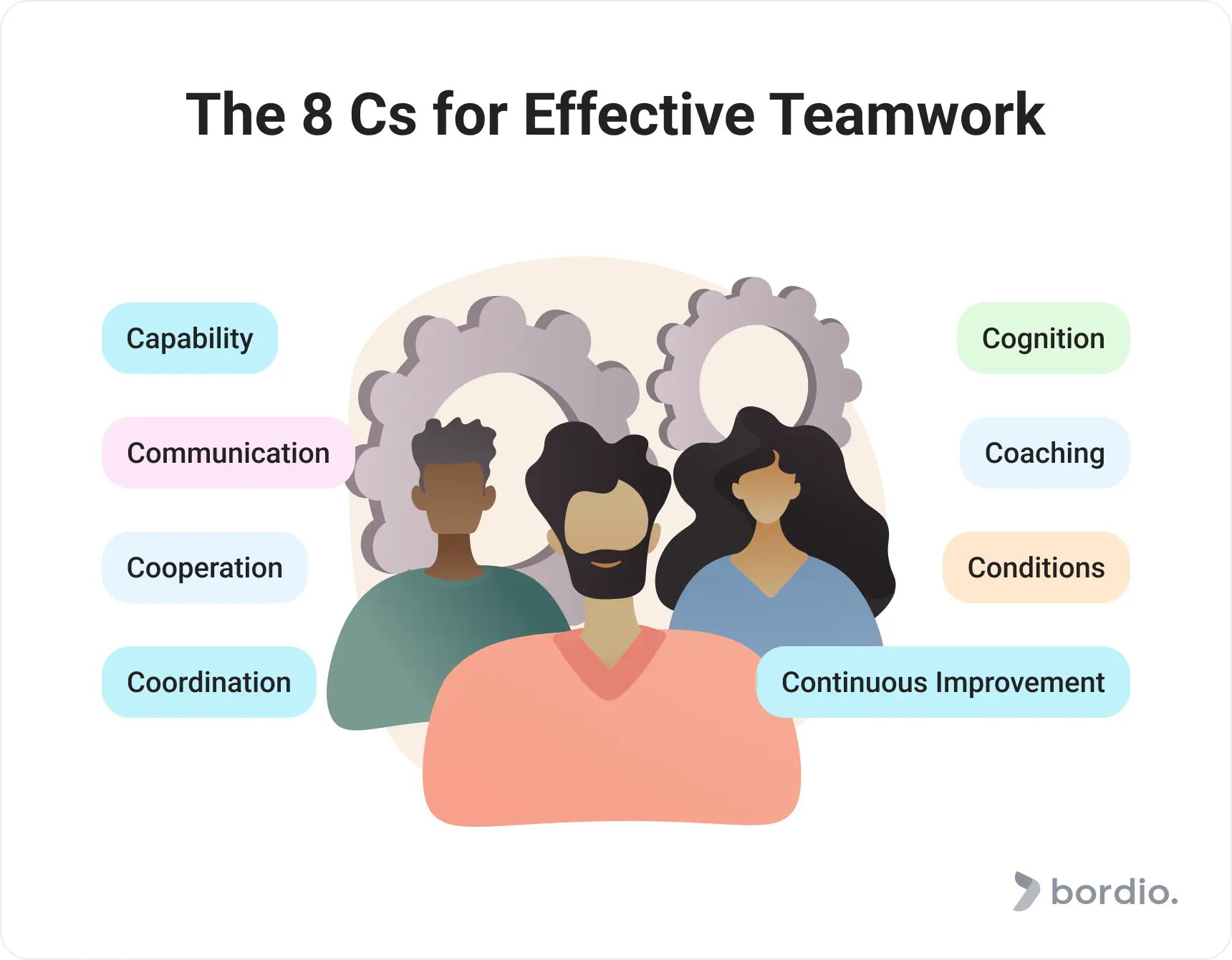
Moreover, understanding the dynamics of group interactions and encouraging diverse perspectives can lead to innovative solutions and a more cohesive unit. Each member’s contribution is vital, and acknowledging this can create a culture of respect and motivation. As we have emphasized, regular feedback and open dialogue are fundamental to maintaining team engagement and progress.
Now that we have outlined these teamwork strategies, it is time for you to take action. Implementing these tips within your own teams can lead to enhanced collaboration and a more effective working environment. Consider setting aside time for team-building exercises, utilizing collaborative tools and platforms, and establishing regular check-ins to discuss progress and setbacks.
By actively working to foster teamwork and collaboration, you not only enhance your team’s productivity but also create a workspace where innovation can thrive. Remember, the key to unlocking the full potential of your team lies in your hands. Take the first step today towards building a more collaborative and successful future.
