


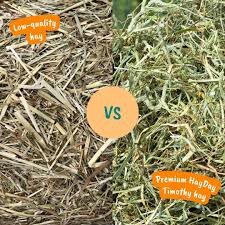
Introduction to Timothy Hay
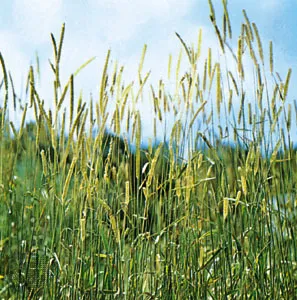
Timothy hay is a grass hay that is predominantly cultivated in the United States and Canada, particularly in regions with suitable climatic conditions for its optimal growth. This hay is harvested from the Timothy grass (Phleum pratense), a perennial species that thrives in well-drained, fertile soils. Renowned for its distinct aroma and appealing texture, hay not only serves as an essential component of animal diets but also plays a significant role in providing nutritional support for small pets and livestock.
The significance of Timothy hay in the realm of pet care cannot be overstated. It is a primary dietary source for herbivorous animals, including rabbits, guinea pigs, chinchillas, and other small mammals. These animals require a high-fiber diet to maintain a healthy digestive system, an excellent source of these essential fibers. By promoting proper dental health and aiding in digestion, this hay can prevent common health issues associated with diets lacking in fiber.
categorized into different cutting stages: first, second, and third cuts, with each cut varying in texture, leafiness, and nutritional content. First cut is more coarse and fibrous, while the second and third cuts tend to be leafier and softer, making them generally more appealing to small animals. Regardless of the cut, Timothy hay remains an integral part of their diet and should be offered fresh and free from mold or contaminants.
In conclusion, hay is a vital dietary staple for a variety of herbivorous pets, contributing significantly to their overall health and wellness. For pet owners, understanding the origins, benefits, and appropriate usage of Timothy hay is crucial in fostering a healthy environment for their beloved companions.
Nutritional Breakdown of Timothy Hay
a highly regarded forage, particularly noted for its benefits to herbivorous pets such as rabbits, guinea pigs, and chinchillas. The nutritional composition of Timothy hay is particularly rich, contributing to the overall health and well-being of these animals. One of the key components of Timothy hay is its high fiber content, which typically ranges from 28% to 30%. This fiber is essential for proper digestive health, as it helps to promote gastrointestinal motility and prevent common issues such as obesity and dental problems, which are prevalent in herbivores.
In addition to fiber, contains a moderate amount of protein, generally averaging between 10% and 12%, depending on the maturity of the plants when harvested. This protein content is vital for growth, energy, and overall tissue development. Young and growing animals, in particular, will thrive on the protein provided by Timothy hay, while adults benefit from the adequate levels of this nutrient without the overabundance that can lead to weight gain.
Furthermore, is a source of essential vitamins and minerals, including Vitamin A, Vitamin K, calcium, and phosphorus. Vitamin A supports immune function and vision, while Vitamin K is crucial for bone health and blood clotting. The balanced calcium and phosphorus ratio promotes strong skeletal structure, which is especially important for young, developing animals.
Lastly, the unique nutritional profile of provides an ideal environment for fostering healthy behaviors, such as chewing, which aids in dental hygiene by wearing down continually growing teeth. In summary, Timothy hay serves as an excellent dietary staple that supplies essential nutrients for herbivores, positively influencing their health and longevity.
The Health Benefits of Timothy Hay for Pets
Timothy hay is recognized as an essential dietary component for many small pets, particularly rabbits, guinea pigs, and other herbivorous animals. One of the primary health benefits of Timothy hay is its high fiber content, which plays a crucial role in promoting digestive health. Fiber facilitates the proper function of the gastrointestinal tract, aiding in the prevention of gastrointestinal stasis, a condition that can be detrimental to a pet’s health. When pets consume adequate fiber, it assists in regulating their bowel movements and ensures that their digestive systems operate smoothly.
In addition to improving digestive health, Timothy hay contributes significantly to dental health in pets. The coarse texture of the hay encourages natural chewing, which aids in wearing down their continuously growing teeth. This chewing action not only prevents dental overgrowth but also helps to prevent associated dental problems, such as malocclusion or periodontal disease. Many veterinarians advocate for a diet rich in Timothy hay to maintain optimal dental health in small rodents and lagomorphs.
Furthermore, Timothy hay is beneficial for weight management in pets. Due to its low caloric density, it allows pets to consume a sizeable volume of food without contributing to excessive calorie intake. This is particularly beneficial for pets prone to obesity, as it enables them to feel full while receiving essential nutrients. The combination of high fiber content and low calorie count makes Timothy hay an ideal dietary choice for managing weight in pets.
Veterinarians and animal nutritionists often emphasize the importance of incorporating Timothy hay into a pet’s daily diet. They argue that it not only fulfills the necessary dietary fiber requirements but also promotes overall health and well-being. By recognizing these myriad benefits, pet owners can make informed dietary choices that contribute to their pets’ longevity and vitality.
Choosing the Right Timothy Hay
Selecting high-quality Timothy hay is crucial for ensuring the health and well-being of your pets, particularly small herbivores such as rabbits, guinea pigs, and chinchillas. When evaluating Timothy hay, several factors must be considered, including its texture, color, and aroma, all of which indicate freshness and quality.
The texture of Timothy hay should be soft but firm, free from dust and mold. Fresh hay is generally greene in color, though some variations can range from yellow to light golden hues. Look for a hay that feels coarse to the touch, as this is indicative of higher fiber content, which is essential for the digestive health of your pets. A pleasant, earthy aroma is also a good sign of quality; fresh hay should smell sweet and grassy without any off-putting odors.
Timothy hay is typically harvested in three cuts, each with distinct characteristics. The first cut occurs early in the growing season and is known for being rough and course, with a higher concentration of seed heads. While it can be beneficial for some animals needing extra fiber, it may not be as palatable as the later cuts. Second cut Timothy hay is a popular choice among pet owners, as it is softer, leafier, and more nutritious, making it an ideal option for herbivores. Lastly, the third cut is even softer, low in stem, and has a high leaf-to-stem ratio; however, it is lower in fiber, which means it should be fed sparingly to prevent digestive issues.
In essence, selecting the right type of Timothy hay involves not only assessing its visual and tactile properties but also understanding the different cuts and their suitability for your pets. Opt for hay that best meets the dietary needs and preferences of your animal companions to promote optimal health and happiness.
Feeding Guidelines for Timothy Hay
Timothy hay is an excellent foraging option for a variety of small animals, including rabbits, guinea pigs, and chinchillas. When incorporating Timothy hay into their diet, it is essential to follow specific feeding guidelines that cater to their unique needs. Generally, a good rule of thumb is to provide an unlimited supply of hay, especially for adult herbivores, as it aids digestion and encourages natural chewing behavior.
When feeding young growing animals, such as baby rabbits or guinea pigs, it is advisable to introduce Timothy hay slowly, usually around twelve weeks of age. This gradual introduction helps them adjust to the fibrous texture and minimizes digestive upset. Young animals may have specific nutritional requirements; therefore, they can be provided with a small amount of hay alongside a high-quality pellet or other suitable forage to ensure proper growth and development.
For adult animals, around 80% of their diet should comprise grass hay like Timothy, with the remaining percentage consisting of fresh vegetables and small amounts of pellets. While adult pets can typically manage a more substantial amount of hay, portion sizes should be adjusted for older animals or those with health conditions like dental issues or obesity. For example, older pets may require softer hay or smaller portions to promote better digestion and to avoid excessive weight gain.
As for introducing Timothy hay into your pets’ diet, begin by offering a small handful per day and gradually increase the amount over a week’s time. Monitor their reaction to the hay and make adjustments as needed. Always observe your pet’s behavior and health to ensure they are adapting positively to this nutritious forage. By following these feeding guidelines, pet owners can ensure that their animals receive the numerous health benefits of Timothy hay while avoiding potential digestive issues.
Storing Timothy Hay Properly
Proper storage of Timothy hay is crucial in maintaining its freshness and nutritional value. The hay should be kept in a dry, cool environment that is protected from pests and moisture, which can lead to spoilage and mold development. Ideal storage conditions will ensure the longevity and quality of Timothy hay, making it a great source of nutrition for small animals such as rabbits, guinea pigs, and chinchillas.
First and foremost, it is essential to locate a storage area that is both cool and dry. A temperature range of 60 to 70 degrees Fahrenheit is ideal for storing Timothy hay. Humidity levels should be minimized, as excessive moisture is detrimental to the hay, promoting mold growth and nutrient loss. Utilize fans or dehumidifiers in areas prone to dampness and ensure that the storage location is well-ventilated.
When it comes to containers for storing Timothy hay, opting for a sealing option is recommended. Bins made of plastic or hard-sided containers can offer protection from pests, such as rodents or insects, which may otherwise compromise the integrity of the hay. Avoid using cardboard boxes, as they are not waterproof and could be gnawed by pests. To further protect your Timothy hay, store it off the ground, either on wooden pallets or shelves, to deter moisture absorption.
Another important factor in storing Timothy hay is ensuring it is kept away from direct sunlight. Ultraviolet rays can degrade the hay’s nutritional value and potentially lead to a loss of favorable taste. It is advisable to cover bales with a tarp or blanket if storage is done outside, ensuring proper air circulation, which helps in preserving the freshness of the hay.
Timothy Hay in DIY Projects and Crafts
Timothy hay is widely recognized primarily as a nutritious feed for small animals such as rabbits, guinea pigs, and chinchillas. However, its versatility extends beyond pet nutrition, offering a plethora of opportunities for creative DIY projects and crafts. Utilizing Timothy hay in crafts not only enhances the aesthetic appeal of pet spaces but also provides enrichment for the animals themselves.
One creative way to use Timothy hay is in the fabrication of cozy bedding for small pets. By bundling the hay into soft nests, pet owners can create comfortable sleeping areas, which mimic a natural habitat. The texture of the hay provides insulation, making it an excellent bedding choice which can also offer a delightful scent that pets enjoy.
Additionally, Timothy hay can be used to design engaging enrichment toys. An example includes weaving the hay into shapes or balls that can be placed in a pet’s enclosure. These toys not only promote natural foraging behaviors but also keep pets mentally stimulated. Crafting enrichment items allows pet owners to ensure their furry friends have an interactive and fulfilling environment.
For those looking to enhance the decor of their pets’ spaces, Timothy hay can be used for decorative elements such as wreaths or rustic centerpieces. These decorative projects can bring a touch of nature indoors while maintaining a safe environment for pets. Pet owners can combine Timothy hay with other natural materials, such as dried flowers or twigs, for a visually appealing addition.
In essence, integrating Timothy hay into DIY crafts offers both functional and decorative benefits. Through creative projects, pet owners can maximize the use of this natural resource, providing comfort and enrichment for their pets, while enjoying the process of crafting.
Common Misconceptions About Timothy Hay
Timothy hay is often regarded as a staple in the diets of various small pets, yet there are several misconceptions that can lead to confusion among pet owners. One prevalent myth is that all hay types are suitable for every pet species. While Timothy hay is particularly beneficial for rabbits, guinea pigs, and other herbivores, it may not necessarily meet the nutritional needs of all pet animals. Understanding the dietary requirements of each species is crucial when incorporating Timothy hay into their diet.
Another common concern relates to allergies. Some pet owners fear that their pets might have allergic reactions to Timothy hay. This apprehension is understandable, particularly for those who have previously experienced allergies themselves. However, it is worth noting that Timothy hay is generally well-tolerated by most small pets. Allergic reactions are more likely to stem from dust or mold present in the hay rather than the hay itself. Ensuring that the hay is stored properly and is of good quality can help mitigate these concerns.
Weight management is another aspect that often raises questions. Many pet owners worry that feeding their pets unlimited Timothy hay could lead to obesity. While it’s true that Timothy hay is high in fiber and low in calories, which promotes a healthy digestive system, portion control remains important. Pets should have a diet primarily comprising hay, but it should be complemented by a balanced amount of vegetables and pellets to ensure their nutritional needs are met effectively. Overall, when introduced appropriately, Timothy hay serves as a beneficial component in pet diets.
Conclusion and Final Thoughts
In summary, Timothy hay serves as a vital component in the diets of various small pets, including rabbits, guinea pigs, and chinchillas. Throughout this guide, we explored the multitude of benefits that Timothy hay offers, highlighting its high fiber content, which promotes effective digestion and prevents obesity. Additionally, it helps wear down the teeth of these animals, which is essential for their overall dental health.
Furthermore, Timothy hay is not only a source of nutrition but also provides a stimulating environment when offered in various forms, such as loose hay, hay cubes, or even as bedding. Its natural characteristics make it an ideal choice for pet owners seeking to enhance their pets’ lifestyles through appropriate dietary choices. The importance of including Timothy hay in pet diets cannot be overstated, as it significantly contributes to their wellbeing and longevity.
As you consider adding Timothy hay to your pets’ diets, it is advisable to consult with a veterinarian. A vet can provide personalized advice based on the specific dietary needs and health conditions of your pets. Making informed choices about your pet’s nutrition plays a crucial role in fostering their overall health and happiness. By incorporating Timothy hay, you can help ensure that your beloved companions receive the essential nutrients they require to thrive.
