


Introduction to Jah and Its Importance
The term holds profound significance across various cultural and spiritual contexts, serving as a central element in the Rastafarian movement, as well as in other belief systems. Derived from the Hebrew name for God, ‘Yah’ or ‘Jehovah,’ encapsulates not only the divine but also a powerful connection to the spiritual essence of humanity. This word transcends mere language, embodying a rich tradition that intertwines history, culture, and religious devotion.
In Rastafarianism, Jah represents a crucial aspect of faith, symbolizing the omnipresence of God within individuals and the universe. Rastafarians believe that Jah is deeply involved in the lives of believers, guiding them towards righteousness and social justice. Thus, the word is not simply a title but a profound representation of spiritual enlightenment and divine presence. The invocation is often accompanied by prayers, chants, and songs, illustrating the intimate relationship followers feel with the divine.
Culturally, serves as a bridge between different communities, often seen as an expression of unity and resilience. Throughout reggae music, a powerful vehicle for Rastafarian beliefs, the use of the name Jah resonates deeply with listeners, echoing themes of hope, redemption, and cultural identity. The prominence of Jah in songs and lyrics fosters a sense of belonging among those who identify with the movement or appreciate its teachings.
Moreover, the significance of extends beyond the Rastafarian community, inspiring individuals from diverse backgrounds to engage in spiritual reflection and explore their own meanings of divinity. As societies become increasingly interconnected, the exploration of Jah as a word and its implications can enrich understanding of spiritual traditions worldwide, offering a shared vocabulary for discussing faith, identity, and humanity.
The Linguistic Roots of Jah
The word “Jah” finds its origins in the Hebrew language, where it serves as a shortened form of the more extensive name of God, Yahweh. This contraction represents an essential aspect of divine identity in the Old Testament, where it often appears in the context of worship and reverence. The term encapsulates the sacred attributes associated with God, including love, mercy, and omnipotence. This profundity has attained a significant status, transcending mere linguistic boundaries.
In the Hebrew scriptures, can be observed in various forms, most notably in the phrase “Hallelujah,” which translates to “praise .” This usage highlights its association with adoration and spirituality, reinforcing the connection between the name and communal worship. The intimate relationship between the term and divine reverence has allowed the concept of “Jah” to evolve, permeating different cultures while retaining its core significance.
The journey of extends beyond its ancient origins, making its way into modern vernacular, particularly through the Rastafarian movement. In this context, symbolizes a personal and immediate relationship with God, contrasting the more distant notions conveyed in traditional religious settings. Rastafarians embrace the term as a cornerstone of their spirituality, using it in everyday language and songs to express their beliefs and connection to the divine. This adaptation illustrates how historical and cultural transformations can influence linguistic evolution, revitalizing ancient concepts and embedding them within contemporary frameworks.
Understanding the etymology of illuminates not only its linguistic roots but also its varied significance across different cultural landscapes. By tracing this word’s journey from Hebrew scriptures to modern expressions, we can appreciate its multifaceted roles in shaping spiritual discourse and communal identity.
Jah in Rastafarian Culture
The term holds profound significance within Rastafarian culture, representing the God of the Rastafarians. It is derived from the biblical name Yahweh, highlighting a connection to the Christian faith while also embodying a unique interpretation specific to the Rastafarian belief system. For adherents, is not just a deity but a central figure that influences every aspect of life, spirituality, and their perception of the world.
One of the most pivotal connections to Jah in Rastafarianism is the figure of Haile Selassie I, the former Emperor of Ethiopia. Rastafarians believe that Selassie is the earthly embodiment of Jah, a messianic figure who fulfills the prophecies found in the Bible. His coronation in 1930 confirmed the Rastafarian view that he is a divine ruler who advocates for the liberation of African people globally. The veneration of and Selassie together fosters a strong sense of identity among Rastafarians, linking their faith to both spirituality and the broader struggle against colonial oppression.
This belief in also influences various practices within the Rastafarian community. Regular gatherings, known as “dances” or “reasonings,” often involve music and discussions centered around themes of faith and identity, where followers sing praises to through reggae music. This musical expression serves as both a form of worship and a tool for cultural identity. Through these practices, is revered, and Rastafarians are reminded of their roots, their purpose, and their shared connection to the divine.
The concept is more than just a name; it encompasses a worldview that emphasizes unity, peace, and resistance against oppression. Ultimately, Rastafarians view Jah as an ever-present force that guides their lives, shaping a belief system centered around love, justice, and the quest for spiritual enlightenment.
Jah in Music and Art
The term holds profound significance in music, particularly within the reggae genre, where it is a symbol of divine presence and consciousness. Renowned artists such as Bob Marley have embraced the concept of , employing it as a central theme in their work to convey messages that resonate with spirituality, freedom, and social justice. Reggae music, deeply rooted in the Rastafari movement, often incorporates the word Jah to signify a higher power, fostering a sense of connection between the listener and the spiritual realm.
Bob Marley, in particular, intertwined his lyrics with references to , illustrating his commitment to both personal and collective liberation. His iconic tracks, which echo the struggles for social justice, serve as a rallying anthem for those seeking change. Songs like “One Love” and “Jamming” not only celebrate unity but also invoke the name of Jah as an emblem of hope and resilience amidst adversity. Marley’s artistry exemplifies how music can transcend mere entertainment, transforming into a profound vehicle for spiritual and political expression.
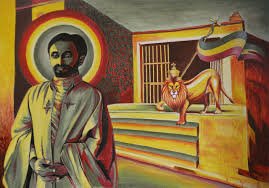
Additionally, the influence of Jah extends to other art forms, where visual artists often reflect these themes through their work. In Rastafarian art, depictions of may appear across various mediums, including painting and sculpture, often illustrating the divine connection with nature and the struggles faced by marginalized communities. This artistic representation resonates with the principles of Rastafarianism, emphasizing the struggles against oppression and celebrating the triumph of the spirit.
Ultimately, serves not only as a religious or spiritual reference but also as a powerful symbol of love, resistance, and communal identity, linking diverse artistic expressions to the shared human experience of seeking justice and understanding in a complex world.
Comparative Spiritual Significance of Jah
The term holds profound spiritual significance, particularly within the Rastafarian movement, where it is seen as a condensed form of the name of God in Hebrew tradition. To fully appreciate the scope of Jah’s importance, it is valuable to compare it with similar divine concepts in other religious contexts, allowing a broader understanding of universal themes such as divinity, liberation, and guidance.
In Christianity, for instance, the notion of God embodies similar traits associated with . The Christian God is often seen as both a liberator and a guide, emphasizing a personal relationship with followers, which parallels Rastafarian views of Jah as a direct source of spiritual strength and freedom. Liberation, a central tenet in both belief systems, manifests in the discourse of salvation within Christianity and in the Rastafarian pursuit of emancipation from societal oppression, particularly the legacy of colonialism.
Furthermore, in Hinduism, the concept of ‘Brahman’ serves as a universal spirit that transcends individual deities, resonating with the idea of Jah as a singular entity that embodies supreme reality. Both and Brahman reflect an understanding of divinity that transcends cultural boundaries and speaks to the search for truth and enlightenment. Liberation, known as ‘Moksha’ in Hinduism, aligns with the Rastafarian principle of spiritual freedom, highlighting that various paths to divinity often converge on shared objectives.
Moreover, in Buddhism, the pursuit of enlightenment through personal introspection closely aligns with the Rastafarian quest for understanding the self in relation to . Both traditions advocate for emotional and spiritual liberation, seeking to alleviate suffering and promote inner peace. In essence, while the terminology and practices may differ, the underlying themes present in the concept of Jah resonate across numerous spiritual philosophies, illustrating a collective human desire for guidance and freedom.
Modern Interpretations of Jah
The word has evolved significantly in contemporary society, serving as both a spiritual symbol and a cultural reference point. Traditionally associated with Rastafarian beliefs, Jah represents the personal name of God, derived from the Hebrew name Yahweh. However, in recent years, this powerful word has transcended its religious confines, finding extensive use in various aspects of popular culture and social movements.
In music, the influence of Jah is particularly evident within reggae and hip-hop genres. Artists such as Bob Marley have immortalized the name in their lyrics, using it as a call for unity and social justice. This musical influence has played a crucial role in introducing Jah to new audiences, fostering interest among younger generations in Rastafarian perspectives and values. The cadence and rhythms of reggae music often evoke spiritual themes tied to Jah, making it a vessel for expressing emotions and advocating for change.
Additionally, the modern usage of Jah has intersected with various social movements advocating for equality, human rights, and environmental sustainability. Many activists draw upon the concept of Jah as an embodiment of love and respect for all humanity. This interpretation promotes a sense of community and shared responsibility, resonating with individuals seeking purpose in their actions. As younger generations become increasingly involved in these movements, the term Jah serves as a powerful reminder of their collective goal for justice and equity.
The growing interest in Rastafarian beliefs among youth signifies a cultural shift; influences from social media and global connectivity have made it easier for ideas centered around Jah to thrive. Online platforms allow for the dissemination of information surrounding Rastafarianism, sparking curiosity and engagement. As a result, Jah is quickly becoming synonymous with broader themes of spirituality, resistance, and cultural pride, reflecting a modern interpretation that resonates with a diverse array of individuals seeking meaning in their lives.
Jah in Literature and Philosophy
The concept of Jah has permeated various domains of literature and philosophy, captivating the imagination of authors and thinkers alike. At its core, Jah is often perceived as a representation of the divine or a higher power, invoking discussions on spirituality, existence, and the nature of the universe. In the realm of literature, Jah has appeared in numerous forms, ranging from poetry to prose, often infused with themes exploring the relationship between humanity and the divine.
Prominent writers have infused the term “Jah” with rich layers of meaning, reflecting personal interpretations and cultural contexts. For instance, the works of reggae artists, laden with references to Jah, encapsulate the struggle for liberation and identity, resonating deeply with themes of resilience in the face of adversity. The lyricism often highlights the notion of Jah as an omnipresent being guiding individuals toward enlightenment and freedom.
Philosophers, too, have engaged with the concept of Jah, analyzing its implications on existence and morality. The term often sparks discussions about the nature of faith and the role of divine justice in a chaotic world. Scholars have pondered whether Jah signifies an anthropomorphic deity or a more abstract conception of the divine, leading to diverse interpretations that challenge conventional theological views. Such explorations question the essence of belief systems and how they shape human experiences.
Moreover, in various literary texts, Jah serves as a symbol of hope and restoration. Writers often illustrate characters undergoing transformative journeys, guided by their faith in Jah to overcome life’s obstacles. This association emphasizes the powerful role of spirituality in personal growth, contributing to the broader narrative of human existence as a quest for meaning. As such, the exploration of Jah in literature and philosophy invites ongoing dialogue around the intersections of faith, identity, and the quest for truth.
Personal Reflections on Jah
The term “Jah” has a rich and profound resonance that transcends mere linguistic significance; it invites individuals to embark on their personal journeys of reflection and understanding. For many, Jah represents not only a name but an embodiment of spiritual connection, offering a sense of belonging to something greater than oneself. This powerful word can evoke various meanings, shaped by personal beliefs and experiences, illustrating the profound impact that a single term can hold.
From my perspective, the concept of Jah has always served as a reminder of the interconnectedness of life. It encourages a deeper exploration of one’s inner self, prompting questions about purpose, existence, and what it truly means to be part of a larger tapestry of life. Such reflections often lead to critical moments of personal growth, allowing individuals to embrace their spiritual paths more consciously. The interpretation of Jah can vary widely; while some may view it as a representation of divine love or guidance, others might see it as a catalyst for personal transformation and enlightenment.
Furthermore, the term “Jah” has the capacity to inspire communal bonds among those who share similar experiences or beliefs. Sharing one’s understanding or experience with Jah can foster a sense of empathy and connectedness that transcends geographical and cultural barriers. For instance, it can serve as a bridge for conversations surrounding spirituality, faith, and personal narratives, allowing for an enriching exchange of ideas and perspectives. Engaging with others on topics related to Jah can lead to greater understanding and shared growth, reflecting how the term can resonate deeply within various communities.
In reflecting on how Jah resonates with you, consider the ways it influences your personal beliefs or experiences. Does it prompt introspection or ignite a sense of belonging? Your understanding of Jah may serve not only as a profound spiritual anchor but also as an avenue for personal and collective growth.
Conclusion: The Enduring Legacy of Jah
The exploration of the term “Jah” reveals its profound significance, not only within specific cultural and spiritual contexts but also as a symbol of broader universal themes. Jah serves as an embodiment of divine presence in the Rastafarian faith and has been embraced by various musical genres, particularly reggae, where it resonates deeply with the experiences and aspirations of countless individuals. This multifaceted word encapsulates the quest for identity, spirituality, and connection to the divine, reflecting a legacy that spans generations and transcends geographical boundaries.

Throughout our analysis, it has become evident that understanding terms like Jah is crucial in fostering an appreciation for the rich tapestry of global spirituality. The legacy of Jah is not merely a historical artifact; it continues to influence contemporary discourse, encouraging individuals to delve into the spiritual beliefs and practices that shape various cultures. Acknowledging the significance of such terms promotes respect and appreciation for diverse expressions of faith, which can bridge gaps in understanding across different communities.
In various traditions, the name Jah represents an invocation of divine guidance and a call to unity among believers. This powerful word is a reminder of the intrinsic human desire to seek connection with the sacred, and it highlights the enduring relevance of spiritual language in contemporary society. The influence of Jah within music and art underscores its role as a catalyst for profound emotional connections among people, serving as a unifying force that fosters dialogue around important human experiences.
Ultimately, the legacy of Jah exemplifies the importance of engaging with spiritual expressions that may differ from our own, encouraging an attitude of openness and curiosity. By exploring such powerful concepts, we enrich our understanding of the world’s diverse cultural landscapes, nurturing respect and appreciation for the intricate web of beliefs that define our shared humanity.
