


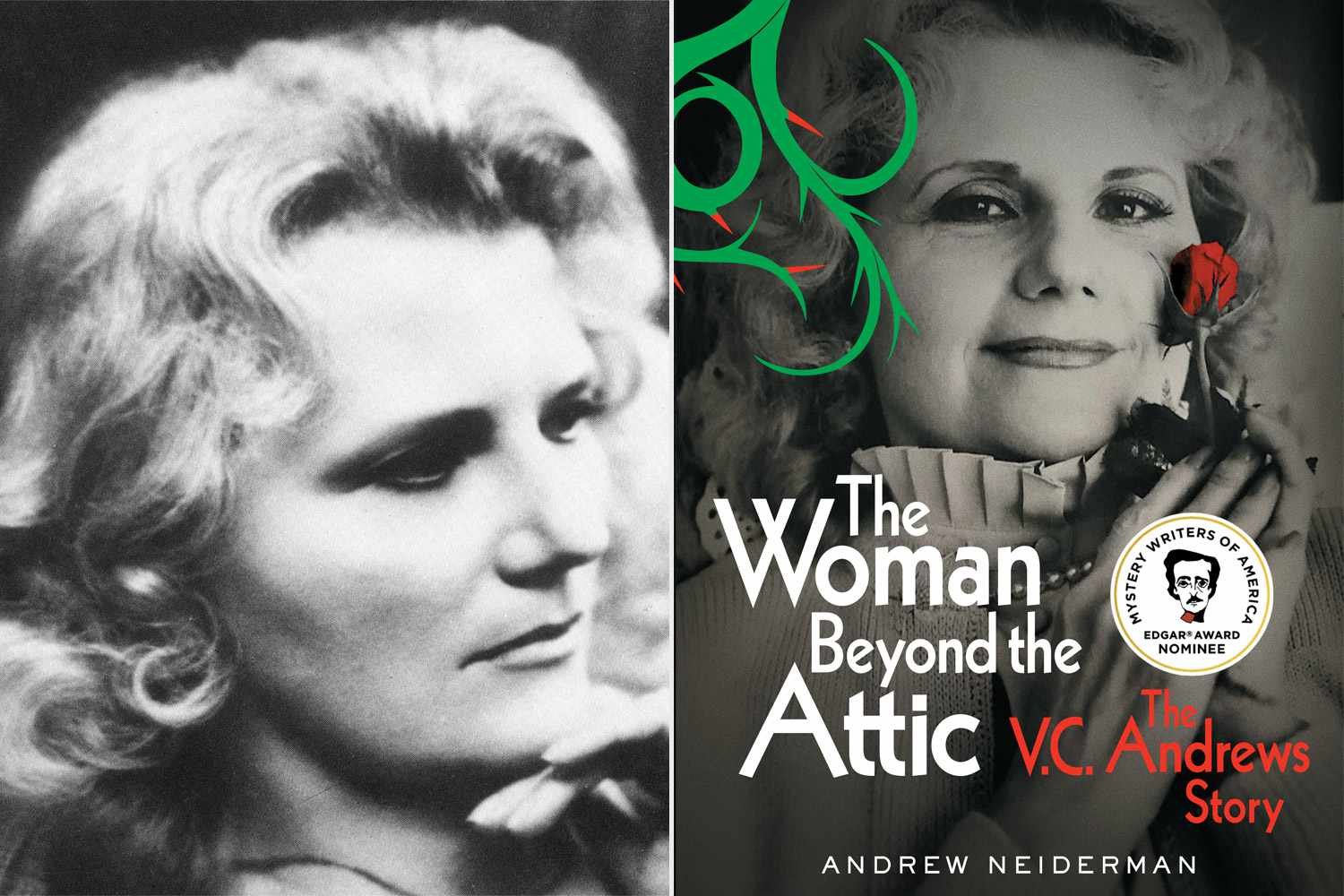
Introduction to V.C. Andrews
V.C. Andrews, an American author renowned for her gothic and family saga fiction, was born on June 6, 1923, in Portsmouth, Virginia. Her deep-rooted passion for storytelling blossomed during her early childhood, influenced by her family’s emphasis on literature and the arts. After facing a series of personal challenges, including a debilitating illness that hindered her mobility, Andrews turned to writing as a form of escape and self-expression. This pivotal moment marked the beginning of her remarkable journey into the literary world.
Andrews gained widespread fame in the late 1970s with the release of her debut novel, “V.C. Andrews” which introduced readers to her signature style. This captivating tale is emblematic of her tendency to explore complex family dynamics, dark secrets, and the fragility of human relationships. Her ability to intertwine elements of horror, mystery, and emotional depth in her narratives has captivated fans and cemented her status as a key figure in the genre. Throughout her career, Andrews produced several bestselling series, including the Dollanganger and Casteel novels, each showcasing her distinctive voice and thematic concerns.
One of the most striking features of Andrews’ writing is her adeptness at creating a suffocating atmosphere, both physically and emotionally. Her settings often evoke a sense of nostalgia, intertwined with foreboding undertones. Themes such as abandonment, betrayal, and resilience recur in her work, reflecting the trials and tribulations faced by her characters. By integrating rich symbolism and a deeply personal touch, Andrews invites readers to journey alongside her characters, providing an intimate glimpse into their tumultuous lives.
V.C. Andrews’ enduring legacy continues to resonate with audiences today, influencing a new generation of writers and capturing the imaginations of readers worldwide. Her exploration of familial ties and human frailty remains unparalleled, securing her place as a luminary in the realm of gothic fiction.
The Rise of V.C. Andrews in Literature
V.C. Andrews emerged as a prominent figure in literature during the late 1970s with the publication of her groundbreaking novel, Flowers in the Attic. This work, released in 1979, not only captivated readers with its gothic themes and complex family dynamics but also marked a significant moment in her career, propelling her to literary fame. The narrative, which delved into the traumatic experiences of children facing familial betrayal and societal scrutiny, resonated strongly with audiences, creating a dedicated fan base and establishing Andrews as a distinct voice in the literary world.
The success of Flowers in the Attic showcased Andrews’ unique ability to weave intricate stories that highlighted darker societal issues, earning her a place among the most influential authors of her time. Following the success of her debut, Andrews published a series of sequels and additional novels, many of which continued to explore themes of family secrecy, love, and the complexity of human relationships. Titles such as Petals on the Wind and If There Be Thorns further solidified her status, as they not only maintained the allure of her initial work but also expanded the vivid universe she had created.
Andrews’ impact on the genre of gothic literature cannot be overstated. Her style blended traditional gothic elements with modern psychological themes, appealing not only to young adult readers but to diverse age groups seeking depth in storytelling. The intricate plots and emotional depth of her characters engaged readers in ways that had not been seen before, paving the way for future authors to explore similar themes in their works. Through her compelling narratives and captivating characters, V.C. Andrews not only rose to prominence but also left an indelible mark on the literary landscape that continues to influence writers today.
An Analysis of Key Themes in V.C. Andrews’ Works
V.C. Andrews’ novels are richly interwoven with several key themes that resonate deeply with readers, mirroring complexities found in real life. Among the most prevalent themes is the idea of family dysfunction. Andrews often depicts families plagued by secrets, manipulation, and betrayal, creating a sense of disarray that reflects the darker sides of familial relationships. This is particularly evident in works such as “Flowers in the Attic,” where the impact of parental actions on children illustrates how dysfunction can ripple through generations, leading to psychological scars that inform characters’ decisions and behaviors.
Another recurring theme in Andrews’ oeuvre is betrayal, often manifested in relationships that falter under pressure or hidden agendas. Characters in her stories frequently grapple with trust, navigating betrayals that challenge their morality and innocence. This theme resonates with audiences as it captures the painful yet relatable realities of human interaction, where loyalties can shift and moral compasses may falter. The sense of betrayal adds a dramatic layer to her narratives, compelling readers to consider the fragility of trust in their own lives.
Moreover, the intersection of innocence and evil is a prominent motif that permeates Andrews’ works. Her characters are often thrust into horrifying situations that challenge their naivety and force them to confront the darker aspects of humanity. This duality enhances emotional tension and complexity, propelling character development as they navigate their tumultuous journeys. Andrews’ ability to intertwine these themes creates engaging, multi-faceted narratives that capture the imagination and evoke empathy, providing an immersive experience that encourages reflection on the darker undercurrents of life.
Iconic Novels by V.C. Andrews
V.C. Andrews, an iconic figure in contemporary fiction, is celebrated for her unique blend of gothic elements and complex character narratives. Her novels often explore themes of family dysfunction, betrayal, and survival. Among her most renowned works is Petals on the Wind, which is the second book in the Dollanganger series. This novel chronicles the harrowing journey of Cathy Dollanganger as she navigates the aftermath of the tragic events from the first book, Flowers in the Attic. Cathy is a strong-willed protagonist whose resilience in the face of adversity captivates readers, while the overarching themes of revenge and love add depth to her narrative. This sequel received mixed reviews but solidified Andrews’ reputation as a master storyteller.
Another notable work, Garden of Shadows, serves as a prequel to the Dollanganger series. This novel delves into the background of Olivia, the matriarch of the Dollanganger family, exploring her tumultuous life and the dark secrets she harbors. Through Olivia’s perspective, readers gain insight into her motivations and the societal constraints that shape her character. The book is praised for its intricate character development and the chilling portrayal of the family dynamics that lead to the Dollanganger saga’s tragic events.
V.C. Andrews further expands her thematic repertoire with My Sweet Audrina. This novel tells the story of Audrina Adare, a young girl living in the shadows of her family’s dark past. Audrina’s struggle for identity and acceptance amidst a fraught family legacy resonates with readers, who are drawn to the psychological complexity and emotional intensity of her journey. The book received positive critical acclaim for its compelling plot twists and evocative prose, cementing Andrews’ impact on the literary world.
The Influence of V.C. Andrews on Contemporary Authors
V.C. Andrews, best known for her Gothic novels and intricate storytelling, has left an indelible mark on contemporary authors in both the Gothic fiction and young adult genres. Her unique narrative style, characterized by a blend of suspense, family drama, and dark themes, has served as a template for many modern writers seeking to explore similar motifs. Authors such as Jessica Sorensen and Jennifer L. Armentrout have openly cited Andrews as an inspiration, particularly for their works that delve into complex family dynamics and psychological challenges faced by teenagers.
One notable aspect of Andrews’ influence is her use of unreliable narrators and multi-generational storytelling. These techniques have significantly shaped the narrative frameworks adopted by newer writers, allowing them to weave intricate plots that captivate readers across different age groups. Her emphasis on the exploration of troubled family histories allows for profound character development, which many contemporary authors have emulated in their works. As these themes gain prominence, they reflect a societal fascination with the complexities of identity and familial legacy.
Furthermore, Andrews’s ability to convey emotional depth has paved the way for young adult writers to introduce darker themes into narratives formerly considered suitable only for adults. As more authors incorporate elements of tragedy and survival, the literary landscape reflects the influence of her pioneering style. Andrews’s foray into themes of abuse, trauma, and redemption resonates deeply with modern audiences, who appreciate authentic and relatable character experiences.
In essence, the literary legacy of V.C. Andrews continues to shape the creative expressions of contemporary authors, inspiring them to explore the intricacies of the human experience through their writing. Her work serves as a bridge between generations of readers, offering timeless insights into the darker facets of life while reaffirming the power of storytelling as a means of connection and understanding.
Cinematic Adaptations of V.C. Andrews’ Works
V.C. Andrews, renowned for her captivating and often dark narratives, has had a significant influence on the realm of literature, particularly in the genre of family drama intertwined with horror elements. Following the success of her novels, several of her works have been adapted into film and television productions. These adaptations seek to bring her intricate storytelling to a broader audience, while also raising questions about their fidelity to the original texts.
The most notable adaptation has been the television miniseries based on her bestselling novel, “Flowers in the Attic.” Released in 1987, this adaptation attempted to capture the haunting themes of the book, centering on family secrets and the consequences of betrayal. Although it garnered a considerable viewership, responses from fans of the original work were mixed, often highlighting aspects that strayed from the source material as points of contention.
As the years progressed, more adaptations emerged, including the series of movies produced in the 2010s based on Andrews’ popular novels like “Petals on the Wind” and “If There Be Thorns.” These iterations often focused on the gripping and dramatic elements of Andrews’ narratives, resulting in a unique blend of soap opera-style storytelling and psychological development. While they received varied critiques from audiences and critics alike, these adaptations undeniably contributed to Andrews’ legacy, extending her reach into popular culture.
Overall, the cinematic adaptations of V.C. Andrews’ works have played a crucial role in continuing her narrative legacy. They serve as both a celebration and a reinterpretation of her complex characters and morally ambiguous themes, ensuring that her impact on literature and storytelling remains vibrant in the public consciousness.
V.C. Andrews’ Legacy and Cultural Impact
V.C. Andrews, renowned for her gripping storytelling and compelling narratives, has established a legacy that continues to resonate within popular culture. Her works, notably the Dollanganger series, have captivated readers since their inception, offering profound insights into family dynamics, trauma, and the complexities of human relationships. Andrews’ exploration of dark themes and psychological undercurrents sets her apart, allowing her to create an immersive world that is both unsettling and relatable.
The enduring popularity of Andrews’ novels is evidenced through her dedicated fan base, which spans generations. Fans of her work often find themselves drawn to the intense emotional landscapes she depicts. Andrew’s portrayal of characters who endure unimaginable hardships strikes a chord in readers, fostering a sense of empathy and understanding that transcends literary confines. Consequently, her books have not only sold millions of copies worldwide, but they have also inspired adaptations in film and television, further cementing her impact on modern storytelling.
In today’s society, the themes present in Andrews’ works remain profoundly relevant. Issues such as familial dysfunction, abuse, and societal expectations continue to resonate, drawing parallels between her fictional narratives and real-world situations. The exploration of these themes invites critical discussions about mental health, personal identity, and resilience, encouraging readers to address difficult topics that permeate contemporary life. Moreover, the compelling nature of her stories has prompted the formation of a vibrant community of readers and enthusiasts who share interpretations, theories, and personal reflections based on their experiences with her narratives.
In conclusion, V.C. Andrews’ legacy is not merely confined to her literary achievements; it extends into the fabric of popular culture, reflecting and influencing societal norms and conversations around complex issues. Her works continue to inspire a sense of belonging among her readers, perpetuating an enduring dialogue that is as relevant today as it was during her lifetime.
Exploring the Fan Community of V.C. Andrews
The fan community surrounding V.C. Andrews is a vibrant and passionate one, reflecting the deep emotional connections that her novels inspire among readers. Since the release of her first book, “Flowers in the Attic,” fans have formed a dedicated network where they share their love for Andrews’ eerie storytelling and complex characters. Online fan forums serve as a crucial hub for discussions, where enthusiasts dissect plot twists, analyze character motivations, and debate their interpretations of various themes present in her work.
These discussions often extend beyond casual conversation; they provide a platform for fans to express their personal connections to the narratives. Many fans recount how Andrews’ works have influenced them through pivotal life moments, providing solace during challenging times. This emotional resonance is a testament to Andrews’ keen understanding of human experiences, drawing readers into her intricate worlds. Social media platforms continuously foster this thriving community, with dedicated pages sharing fan art, quotes, and tributes that celebrate her legacy.
Additionally, the creativity of the fans has led to a wealth of fan-made content, including artwork, short stories, and even videos inspired by Andrews’ characters and stories. Events such as virtual book clubs and live discussions create opportunities for readers to engage directly with each other and expand their appreciation of her literature. The level of dedication is evident as fans organize events to celebrate anniversaries of beloved titles, showcasing how Andrews’ influence has spanned generations, inviting both new readers and longtime fans to connect over shared interests.
The continuity of this fan community underscores the enduring impact of V.C. Andrews’ works. Her ability to engage readers through intricate plots and relatable dilemmas fosters an environment where admiration transforms into camaraderie. As discussions and tributes perpetuate, it becomes clear that her novels continue to touch hearts and lives, ensuring that her legacy endures.”
Conclusion: The Enduring Appeal of V.C. Andrews
V.C. Andrews remains a significant figure in the realm of contemporary literature, renowned for her compelling narratives that delve deep into the complexities of family dynamics and human emotions. Her ability to explore intricate themes such as betrayal, love, and redemption has resonated with readers across generations, ensuring her lasting legacy within the literary community. Through works such as “Flowers in the Attic” and the subsequent series, she introduces readers to unforgettable characters whose struggles and triumphs mirror real-life complexities.

Andrews’s unique storytelling style captivates audiences, weaving together elements of Gothic fiction with relatable family issues. Many readers find themselves drawn to her detailed depictions of the human psyche, allowing them to navigate the emotional landscapes she crafts with such expertise. This deep emotional connection not only entertains but potentially invites critical reflection on one’s own family relationships and personal experiences.
As we look to the future, the influence of V.C. Andrews on both new and established writers will likely continue to be profound. Her exploration of dark themes couched in the structure of familial bonds offers poignant lessons about resilience and the complexities inherent in human relationships. Future generations of readers stand to gain a wealth of knowledge from her works, from understanding the intricacies of emotional trauma to recognizing the importance of empathy and forgiveness.
In conclusion, V.C. Andrews’s contributions to literature extend beyond mere entertainment; they challenge us to ponder profound truths about our own lives. Her stories remain a mirror reflecting the struggles of family and emotion, proving that the legacy of her narrative voice will indeed endure.
