


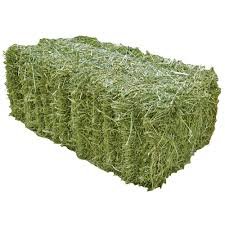
Introduction to Hay Bales
Hay bales are compact bundles of dried grass or legumes, commonly produced for livestock feed or as ground cover. They serve as a critical resource in agriculture, particularly for farmers with livestock during winter months when forage varieties might be limited. Hay bales can be categorized into several types, such as small square bales, large round bales, and rectangular bales. Each type is designed for specific storage and usage considerations, reflecting the needs of various livestock and farming operations.
The process of creating hay bales encompasses the harvesting of crops followed by their drying in the sun, a crucial step that preserves their nutritional value. The materials typically used in hay production are grass, clover, alfalfa, and other legumes, which are chosen based on their nutritional benefits and availability in the region. Once harvested and dried, the hay undergoes the baling process, where it is compacted and tied, making it easy to transport and store. The equipment employed, including mowers, tedders, and balers, varies widely, tailored to the scale of farming and the resources utilized.
The historical development of hay bales dates back centuries, with early techniques primarily relying on manual labor and rudimentary tools. As modern agriculture has evolved, so too have the methods for producing hay bales, incorporating advanced machinery that enhances efficiency and increases yield. Innovations such as round balers and net wrapping have significantly changed standard practices, enabling farmers to produce high-quality hay while minimizing spoilage and loss. Understanding the fundamentals of hay bales, their creation, and their importance in agricultural settings highlights their multifaceted role, not only in feeding livestock but also in supporting a sustainable farming ecosystem.
Types of Hay Bales
Hay bales are an essential component in agriculture and livestock care, designed to make forage storage and transportation efficient. There are three primary types of hay bales, each with distinct characteristics and uses: small square bales, large round bales, and large square bales.
Small square bales typically weigh between 40 to 80 pounds and measure approximately 2 feet long by 1.5 feet wide. This type is favored for its ease of handling, making it ideal for smaller farms or gardeners who require a manageable option. Farmers can easily stack or transport these bales by hand or with small equipment. Additionally, small square bales are versatile for feeding smaller livestock, such as goats and sheep, as they can be placed conveniently in feeding racks.
In contrast, large round bales are more substantial, weighing anywhere from 800 to 2,000 pounds and measuring about 4 to 6 feet in diameter. Their round shape allows for better moisture drainage and reduces the risk of spoilage. These bales are well-suited for larger farms and are often made with heavy-duty machinery. Due to their size, they are typically ideal for feeding larger livestock like cattle or horses and can be stored outdoors without significant risk of damage.
Lastly, large square bales are an excellent middle ground, weighing between 800 to 1,500 pounds and offering stability because of their uniform shape. Measuring about 3 feet tall, 3 feet wide, and 8 feet long, they are designed for efficient stacking and storage. These bales are often favored in larger scale operations and can be tailored for various uses, from equestrian feeding to erosion control.
In conclusion, understanding the different types of hay bales and their characteristics allows farmers and livestock owners to choose the right option for their specific needs. Each type serves unique purposes, and selecting the appropriate bale can significantly impact productivity and livestock health.
The Haymaking Process
The haymaking process is a meticulous operation that involves several key stages, each critical in ensuring the production of high-quality hay. The first step in this process is mowing, where grass is cut at the right time to maximize nutrient content and minimize moisture. The ideal time for mowing typically coincides with the optimum growth stage of the grass, which is usually when the flowers are just beginning to bloom. This timing also greatly influences the nutritional value of the harvested hay.
Following mowing, the grass must undergo drying, a phase that is significantly influenced by weather conditions. Drying is essential as it reduces the moisture content of the grass to a stable level, preventing spoilage during storage. It is advisable to allow the cut grass to dry in the sun, which not only helps in reducing moisture but also enhances the flavor of the hay. However, excessive exposure to moisture or rain can lead to issues such as mold and reduced quality.
Once adequately dried, the next stage involves raking, where the grass is turned over to promote even drying and to create windrows, which facilitate easier collection. It is crucial to handle the grass gently during this stage to prevent leaf shatter, which can impact the nutritional value. The final step in the haymaking process is baling, where the dried grass is compressed into bales for easy storage. Various balers are available, including round and square options, each with its advantages. The choice of baling equipment should align with the specific needs of the operation and the desired storage conditions.
In conclusion, understanding the haymaking process, from mowing to baling, along with being attuned to weather conditions, is vital for anyone involved in hay production. Each stage, when executed correctly, leads to the production of quality hay that can provide significant benefits for livestock and other uses.
Nutritional Benefits of Hay for Livestock
Hay, a crucial forage component in the diets of various livestock, is rich in essential nutrients that contribute significantly to animal health and productivity. Different types of hay, such as alfalfa, timothy, and clover, offer unique nutritional profiles, making it necessary for farmers and livestock owners to understand the benefits and select high-quality options suitable for their animals.
One of the primary components of hay is its fiber content, which plays a vital role in digestion, particularly for herbivores like cows, sheep, and goats. Fiber aids in the proper function of the rumen in cattle and ensures that other livestock maintain a healthy digestive system, preventing issues such as colic in horses. Moreover, fiber contributes to a feeling of fullness, aiding in weight management.
In addition to fiber, hay provides essential vitamins and minerals. For instance, hay is a significant source of calcium and phosphorus, which are crucial for bone development and overall metabolic functions. Vitamin A, commonly found in quality hay, supports vision, skin health, and immune function in livestock. Furthermore, some hays are rich in protein, particularly alfalfa, which is essential for muscle development, lactation in dairy animals, and overall growth.
Selecting the right hay based on its nutritional content is critical. Livestock requirements vary greatly; for example, lactating dairy cows may require higher-protein hay, while maintenance diets for sheep may focus on more fibrous options. Testing hay for its nutrient composition can guide livestock owners in making informed feeding decisions. In summary, understanding the nutritional value of hay and its contribution to livestock health ensures that animals receive adequate nutrition, promoting well-being and productivity across various species.
Storage and Preservation of Hay Bales
The storage and preservation of hay bales are crucial aspects to ensure the longevity and quality of the hay. Proper techniques can considerably reduce spoilage while maintaining the nutritional value essential for livestock feed. Hay should ideally be stored in a dry and well-ventilated area to minimize moisture exposure, which is the primary cause of mold and spoilage.
Indoor storage options might include barns or hay sheds where hay bales can be stacked on pallets to facilitate airflow beneath each stack. This practice helps to prevent moisture accumulation from the ground. Additionally, tarps can be used to cover outdoor stacks, providing a protective barrier against rain or dew. However, care must be taken to ensure that the covering allows for adequate ventilation to avoid trapping moisture inside, which could lead to spoilage.
Outdoor storage, while more susceptible to environmental factors, can be made viable through strategic techniques. Stacking hay in rows with a slight slant allows water to run off effectively. Furthermore, using round bales over square bales can enhance drainage. Regularly rotating the bales can also prevent long-term exposure to elements.
Managing pests is another critical aspect of hay preservation. Rodents and insects can compromise the quality of hay if not effectively controlled. Options such as using tightly bound bales, natural deterrents, and regular inspections can mitigate these risks. Moreover, the use of preservatives like acid-based solutions is widely accepted to further enhance longevity and maintain the nutritional composition of hay.
In conclusion, understanding the nuances of proper storage and preservation techniques is paramount for anyone involved in hay production. This ensures that the quality remains high, reducing losses due to spoilage while making sure the hay stays nutritious for livestock feeding.
Creative Uses of Hay Bales
Hay bales, often viewed merely as a farming resource, have found a plethora of innovative applications in various fields, especially in landscaping and event decorations. Their versatility allows homeowners and event organizers to incorporate them in numerous creative ways.
In landscaping, hay bales can serve as natural, biodegradable building materials for garden borders, pathways, or raised beds. They can be arranged artistically in gardens to create a rustic charm while providing practical benefits, such as moisture retention in the soil and support for plants. Gardeners increasingly employ hay bales as planting mediums; after a proper period of conditioning, plants can thrive in the rich, nutrient-dense environment they provide, thanks to the breakdown of organic matter.
Moreover, hay bales have made a significant impact in the event planning sector. Weddings, harvest festivals, and outdoor gatherings benefit from their aesthetic appeal. They can be creatively utilized as seating arrangements, providing a casual and cozy atmosphere. Draping fabric or adding cushions can transform simple hay bales into charming seating areas that enhance the overall decor while maintaining a rustic theme.
Additionally, hay bales often become central elements in seasonal celebrations. They serve as props for autumn and Halloween festivities, creating picturesque settings for photo opportunities. Creative event coordinators design intricate displays using hay bales, turning them into focal points within decorations, such as backdrops for ceremonies or festive displays. DIY projects utilizing hay bales, from decorative arrangements to functional utilities, demonstrate how this simple agricultural product holds endless possibilities.
In conclusion, the innovative integration of hay bales into landscaping, garden design, and event setups illustrates their creative potentials. This adaptability not only enhances aesthetic appeal but also promotes sustainability, making hay bales an optimal choice for both functional and artistic applications.
Environmental Impact of Hay Bales
Hay production, often viewed simply as an agricultural process, carries significant environmental implications. The sustainability of hay farming is contingent upon various factors, including land use, water consumption, and the cultivation practices employed by farmers. Sustainable hay production methods, such as crop rotation and organic farming, can facilitate the enhancement of soil quality and promote biodiversity.
The carbon footprint associated with hay production is another critical aspect that warrants examination. Traditional hay farming practices, particularly those involving monocropping and excessive use of fertilizers, can adversely affect the environment by contributing to soil degradation and water pollution. Conversely, sustainable practices, such as rotational grazing, not only minimize the carbon footprint but also improve land efficiency and support the local ecosystem.
Rotational grazing involves alternating livestock between pastures, allowing forage plants to recover and thereby increasing carbon sequestration in the soil. This practice not only benefits soil health but also helps in increasing the resilience of the ecosystem against pests and diseases. Furthermore, organic hay production eliminates the need for synthetic fertilizers and pesticides, significantly reducing chemical runoff into waterways, which can have detrimental effects on aquatic life.
Implementing sustainable practices in hay farming can enhance the overall health of the environment, providing multiple benefits such as improved soil health, enhanced water retention, and increased carbon storage. By prioritizing sustainable hay production, farmers can contribute to a more balanced ecosystem while meeting the growing demand for forage and feed. As we continue to explore hay production’s role in our food systems, understanding its environmental impact becomes essential in creating a sustainable future.
Common Issues and Solutions in Hay Production
Hay production is fraught with various challenges that can significantly impact the quality and quantity of the final product. One of the most prevalent issues faced by farmers is pest infestations. Various insects, such as aphids and caterpillars, can wreak havoc on crops, leading to reduced yields. To combat this, farmers are encouraged to incorporate integrated pest management strategies. This can include using natural predators, applying organic pesticides, and ensuring proper crop rotation to disrupt pest life cycles.
Weather-related issues also pose a significant challenge in hay production. Excessive rain can delay harvesting, while drought conditions may inhibit growth altogether. Implementing a weather-resistant planting schedule can mitigate these risks. Additionally, using coverings and protective structures during particularly inclement weather can help protect fragile crops during crucial growth phases.
Poor hay quality is another common concern, often resulting from improper handling and storage practices. Factors such as excessive moisture during storage can lead to mold development, making the hay unfit for consumption. To ensure high-quality hay, farmers should prioritize dry storage environments with adequate ventilation. Regular monitoring of humidity levels will aid in maintaining the ideal conditions for hay preservation.
Furthermore, soil health plays a crucial role in the overall success of hay production. Neglected soil can lead to nutrient deficiencies, directly affecting crop growth. Conducting soil tests regularly and amending the soil with necessary nutrients can substantially improve hay yield and quality.
By recognizing common issues and implementing practical solutions, farmers can enhance their hay production process, resulting in healthier crops and better yields. Addressing these challenges systematically ensures that they can sustain their operations effectively and produce high-quality hay for various uses.
Conclusion and Final Thoughts on Hay Bales
Throughout this guide, we have examined the multifaceted role of hay bales in agriculture, focusing on their production, uses, and evolving significance in various sectors. Hay bales serve as a vital component in livestock feed and play a pivotal role in ensuring food security for many farmers and ranchers. Furthermore, these bales are increasingly recognized for their versatility beyond traditional farming practices, extending into areas such as landscaping, crafting, and even as temporary structures for events.

The production of hay bales has undergone significant transformations driven by technological advancements. Innovations in hay farming, including the use of precision farming techniques and sustainable practices, have influenced the way we cultivate and manage hay crops. These changes not only enhance the efficiency and quality of hay production but also contribute to the overarching aim of sustainability in agriculture.
Given the current global emphasis on sustainable farming and environmental stewardship, the future of hay production appears promising. As farmers adapt to challenges such as climate change and economic fluctuations, hay bales are likely to remain integral to agricultural systems. The ability to utilize hay bales in diverse ways further emphasizes their importance, catering to both traditional agricultural needs and emerging market trends.
In closing, hay bales encapsulate a rich history while simultaneously paving the way for innovative applications in modern agriculture. Their adaptability and relevance in various sectors illustrate not only their enduring necessity but also their potential to support sustainable practices. As we move forward, continued investment in research and development will be essential to optimize hay production and ensure that this agricultural staple remains a cornerstone of responsible farming practices.
