



Introduction to Silent Hill
The Silent Hill franchise is a cornerstone of the horror gaming genre, renowned for its psychological depth and chilling atmosphere. It originated in the late 1990s, with the first game released by Konami in 1999 sparking a fascination that endures to this day. Emphasizing a psychological horror experience over mere jump scares, Silent Hill has crafted a unique narrative approach that intertwines character-driven stories with surreal environments.
At its core, the guia silent hill geekzilla series explores themes of fear, grief, and the human psyche. The titular town of Silent Hill serves as a haunting backdrop where characters confront their personal demons and past traumas. This thematic richness allows players to engage deeply with the stories and challenges presented. Additionally, the series has become known for its innovative gameplay mechanics, sound design, and art direction, enriching the immersive experience.
As the franchise evolved through various sequels and spin-offs, its impact extended beyond video games. Silent Hill has influenced multiple forms of media, including films, novels, and comic adaptations, further cementing its place in popular culture. Each installment varies in its approach, taking players through the fog-laden streets while often maintaining the core elements that define its identity.
The evolution of Silent Hill is marked by advancements in technology and shifts in horror game design, reflecting changing player expectations. While some later titles have received mixed reviews, the original games are often lauded as masterpieces of the horror genre, continuing to inspire new generations of gamers. Overall, Silent Hill’s rich lore and atmospheric storytelling make it a significant player in the realm of horror, forever leaving a lasting legacy in gaming history.
Key Themes of Silent Hill
The Silent Hill series is renowned for its distinctive approach to horror, heavily focusing on several key themes that distinguish it from other titles in the genre. Chief among these is psychological horror, which permeates the storyline and gameplay. Unlike traditional horror that relies on jump scares or grotesque imagery, Silent Hill delves into the psyche of its characters, showcasing their fears and traumas. This perspective heightens player engagement, as the atmosphere invites players to explore not just the world around them, but also the inner workings of the characters’ minds.
Another prevalent theme is isolation. Players often find themselves alone in the fog-laden streets of Silent Hill, emphasizing a sense of abandonment and loneliness. This isolation is not merely a backdrop but is integral to the gameplay experience. It reflects the characters’ emotional states, as they confront their pasts and navigate a labyrinth of their own making. The desolate landscapes serve as a mirror to the characters’ struggles, drawing players deeper into the narrative as they uncover their motivations and backstories.
Furthermore, the exploration of the human subconscious plays a crucial role in shaping the Silent Hill narrative. Dreams and nightmares manifest within the town, making the environment intentionally disorienting. This distortion creates an unsettling experience, as players encounter monstrous representations of guilt, shame, and repressed memories. The game’s atmospheric nuances encourage players to reflect on how these elements affect their characters’ journeys. Each antagonist and challenge encountered in Silent Hill reflects aspects of the human condition, making the horror not only external but also deeply personal.
Main Characters and Their Stories
The Silent Hill series is renowned for its complex characters, each featuring deeply personal stories that reflect their struggles and motivations. Central to the franchise is James Sunderland, the protagonist of Silent Hill 2. James arrives in Silent Hill, personally driven by a letter from his deceased wife, Mary. His journey is not merely a physical one but also a psychological exploration of guilt and loss. Throughout the game, players witness James confront manifestations of his psyche, leading to a narrative filled with themes of redemption, despair, and the search for closure. His encounters with various characters, including Angela Orosco, push him to grapple with the darker aspects of his own nature.
Angela Orosco, introduced in the same installment, is another pivotal character whose story intertwines with James’s. Angela is portrayed as a troubled young woman trying to escape her traumatic past, marked by abuse and abandonment. As the narrative unfolds, players understand her motivations rooted in a painful history, leading to significant character development. Angela’s journey through Silent Hill is symbolic, acting as a reflection of her internal battles and her quest for self-acceptance amidst an oppressive atmosphere.
Finally, Harry Mason, the protagonist of the original Silent Hill, embodies the archetype of a determined father searching for his adoptive daughter, Cheryl. His quest leads him through the fog-shrouded town where he encounters various horrific manifestations reflecting his fears and parental instincts. Harry’s devotion to Cheryl drives the narrative, showcasing his resilience against the odds. Each character’s story in Silent Hill reveals not just their individual struggles but also contributes to the overarching themes of trauma, fear, and the human condition. These intertwined narratives establish Silent Hill as a rich tapestry where personal tragedy shapes the experience of the broader universe.
Iconic Monsters of Silent Hill
The Silent Hill series is renowned for its haunting atmosphere, which is further accentuated by the presence of its iconic monsters. These creatures are not only terrifying in their appearance but also richly woven into the narrative’s psychological fabric, symbolizing the inner fears and guilt of the characters encountered in this eerie town. Throughout the franchise, several monsters have stood out for their distinct designs and deep-seated meanings, leaving an indelible mark on the players’ experiences.
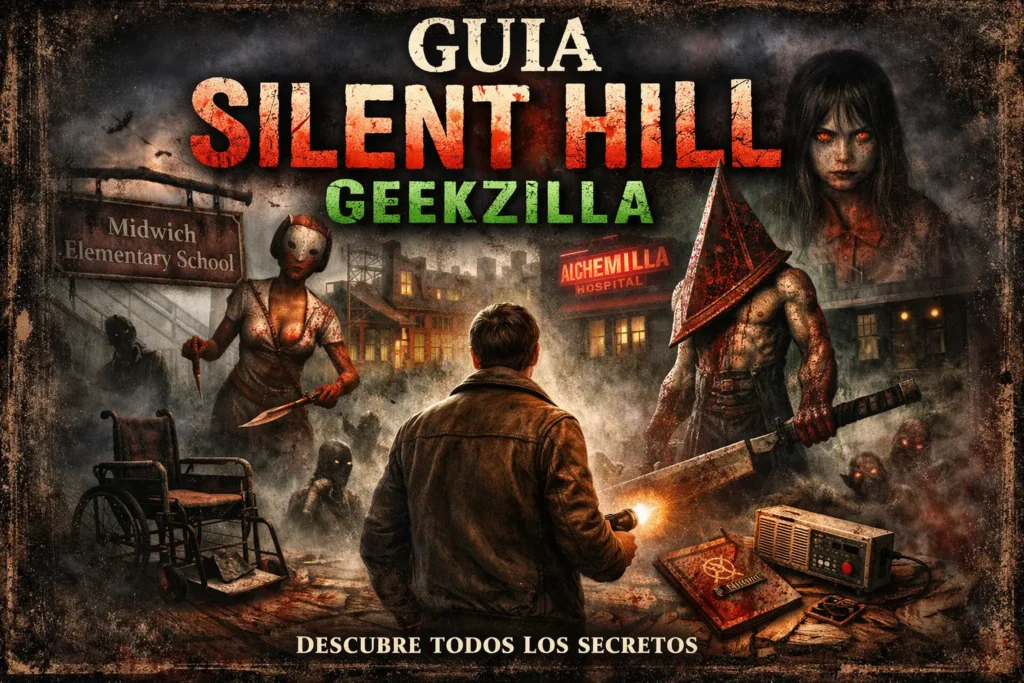
One of the most memorable creatures is the Pyramid Head, a towering figure shrouded in mystery and dread. With his unique design featuring a pyramid-shaped helmet and an imposing physique, Pyramid Head serves as a manifestation of the protagonist’s guilt and punishment. This character has become synonymous with the franchise itself, representing themes of torment and retribution. Additionally, his distinctive weaponry, coupled with his relentless pursuit of characters, enhances the terrifying experience within the game.
Another notable monster is the Nurses, a group of disfigured humanoid figures that exploit the fears associated with vulnerability and the loss of control. These nurses not only evoke a sense of uncanny horror through their unsettling movements but also symbolize the fragility of life and the fading memories of care and comfort. Their design often draws inspiration from a combination of traditional horror archetypes and societal fears, capturing the essence of despair and anxiety.
Moreover, the Importance of such creatures lies not just in their frightful appearances but also in the profound psychological underpinnings they provide. Each monster represents a facet of human emotion and experience, making them integral to the narrative fabric of the Silent Hill series. As players navigate the terror of the fog-laden town, these monsters challenge them to confront their fears and traumas, blending the boundary between horror and personal exploration.
Silent Hill’s Game Mechanics
Silent Hill is recognized not only for its chilling narrative but also for its distinctive game mechanics that elevate its horror experience. One of the most notable features is the fog mechanic, which effectively obscures the player’s vision, creating a sense of isolation and fear. This thick fog serves a dual purpose: it conceals the environment and the lurking threats within it, forcing players to rely on audio cues and their instincts rather than sight. As players navigate through the fog-laden streets, the unease escalates, truly immersing them in the unsettling atmosphere that Silent Hill is celebrated for.
The combat mechanics in Silent Hill are deliberately designed to heighten tension. Unlike many typical action-oriented horror games, where combat can often feel empowering, Silent Hill places players in a position of vulnerability. The controls are intentionally unwieldy, making encounters with terrifying creatures a nerve-racking experience. Players often find themselves grappling with limited resources—ranging from health items to ammunition—thus promoting a strategic approach to combat. This scarcity forces players to weigh their options carefully, fostering a sense of anxiety as they confront monsters in the dark.
Puzzle-solving elements also play a critical role in Silent Hill’s gameplay. The puzzles are integrated seamlessly into the narrative, requiring players to think critically and engage deeply with the game world. Solving these intricate riddles not only allows players to progress but also enriches the overall narrative arc, providing insights into the emotional and psychological themes of the story. Such mechanics reinforce the notion that understanding one’s environment is essential for survival, making each successfully solved puzzle another step deeper into the compelling but terrifying lore of Silent Hill.
The Soundtrack and Sound Design
The Silent Hill franchise is not only known for its gripping narrative and haunting visuals, but also for its unique approach to sound design and music. The atmospheric soundscapes and haunting melodies play a crucial role in establishing the psychological horror that defines the series. Central to this auditory experience is composer Akira Yamaoka, whose contributions have left a lasting impact on how sound is perceived in video games. His ability to intertwine ambient sound with unsettling musical compositions effectively enhances the emotional weight of the game.
Sound in Silent Hill serves multiple purposes; it creates tension, evokes emotion, and immerses players in the terrifying world of the game. The use of sound effects, including distant sirens, whispering voices, and unsettling noises, cultivates an atmosphere of dread that is palpable from the moment one starts to play. Yamaoka’s scores incorporate various genres, from haunting piano melodies to industrial sounds, reflecting the shifting emotions of the characters and the world around them. This sonic variety not only enriches gameplay but also deepens the narrative experience, making players feel invested in the characters’ struggles.
Moreover, the sound design in Silent Hill is notable for its deliberate use of silence. Pauses in the audio can amplify feelings of isolation and despair, allowing players a moment to absorb the horror that surrounds them. This calculated approach to audio contrasts sharply with more conventional horror games that rely heavily on abrupt sound cues. Instead, Silent Hill embraces a more nuanced auditory experience that encourages exploration and self-reflection. The synergy between Yamaoka’s haunting compositions and the game’s disturbing sound effects contributes significantly to the overall atmosphere, effectively solidifying Silent Hill’s status as a landmark in the horror genre.
Adaptations and Spin-offs
The Silent Hill franchise, well-known for its psychological horror and immersive storytelling, has notably expanded beyond its original video game roots. Notable adaptations include films, comic books, and spin-off video games, each contributing to the broader tapestry of this chilling universe.
The cinematic adaptations of Silent Hill began with the release of the first film in 2006, which was followed by a sequel in 2012. These films attempt to capture the essence of the games; however, they have received mixed responses from fans and critics alike. The first film, directed by Christoph Gans, generally garnered praise for its atmospheric visuals and faithful incorporation of game elements, particularly from “Silent Hill 2.” While its narrative diverged from the game in several aspects, its intention to encapsulate psychological horror was commendable. Conversely, the sequel, “Silent Hill: Revelation,” faced criticism for its incoherent plot and over-reliance on fan service, revealing the challenges of translating interactive experiences into cinematic form.
In addition to film adaptations, the Silent Hill franchise has expanded into comic books, with several series published over the years. These comics serve as a bridge between game narratives, exploring characters and stories that may not be fully developed in the games. The graphic novels adeptly maintain the series’ distinct ambiance and delve further into the minds of its protagonists, reflecting the complex psychological themes that fans have come to expect.
Spin-off games such as “Silent Hill: Origins” and “Silent Hill: Shattered Memories” offer fresh interpretations of the franchise while retaining familiar core elements. These games are often appreciated for introducing new perspectives and gameplay mechanics, allowing existing fans and newcomers alike to experience the dread and mystery integral to the Silent Hill mythos.
Critical Reception and Cultural Impact
The Silent Hill series has garnered a diverse range of critical reception and established a significant cultural impact since its debut in 1999. Critics have often praised the franchise for its atmospheric tension, deep psychological themes, and innovative gameplay mechanics. The original title, Silent Hill, received accolades for its unique approach to survival horror, setting the tone for the subsequent games. It was lauded for its complex narratives that delve into the human psyche, exploring themes such as guilt, loss, and trauma.
Critically, the series has received various awards over the years, including high scores from renowned gaming publications. Titles like Silent Hill 2 are frequently cited in lists of the greatest video games of all time, showcasing the series’ influence within the gaming community. The game’s haunting soundtrack, composed by Akira Yamaoka, has also been recognized as a hallmark of the horror genre, significantly contributing to the immersive experience that fans have come to love.
Moreover, the cultural impact of Silent Hill extends beyond gaming. The franchise has inspired film adaptations, animated series, and a plethora of merchandise, indicating its reach within popular culture. The film adaptations, although received with mixed reviews, have introduced the unsettling atmosphere of Silent Hill to a broader, non-gaming audience. Additionally, the series has influenced other media and game developers, prompting a resurgence of psychological horror elements in video games.
Overall, the Silent Hill series stands as a testament to the psychological horror genre, with its critical reception affirming its status as a seminal franchise. Its ability to intertwine gameplay with profound narrative themes underscores its lasting legacy and significant cultural impact.
Conclusion and Future of Silent Hill
The Silent Hill franchise has endured as a powerful influence within the horror gaming genre since its inception in 1999. Throughout our exploration, guia silent hill geekzilla we have highlighted the main attributes that comprise its compelling narrative, atmosphere, and character design. Players have long been drawn to the series’ ability to evoke deep psychological themes while simultaneously immersing them in a nightmarish world characterized by fog and unsettling visuals. The evolution of gameplay mechanics, alongside its chilling soundtracks, has further solidified its standing among devoted fans and newcomers alike.
As we look toward the future of Silent Hill, speculation arises regarding potential new titles and adaptations that could reignite interest in this iconic series. Recent announcements and rumors suggest that Konami may be reconsidering its commitment to develop new installments in the franchise. Fans anticipate that any forthcoming games will retain the essence of what makes Silent Hill unique while incorporating modern mechanics and storytelling techniques.
Additionally, adaptations in other media, such as television series and film projects, could play a significant role in rekindling interest in the franchise. If executed thoughtfully, these adaptations will have the potential to attract a wider audience, ensuring that the Silent Hill legacy persists across generations. Retaining the series’ characteristic motifs—fear, isolation, and personal trauma—will be essential in maintaining authenticity.
In summary, Silent Hill’s extensive legacy within the gaming community is secure, defined by both nostalgia and innovation. As fans eagerly await new revelations, the future of Silent Hill appears promising, with the potential for exciting developments that could further enrich its dark and haunting universe.
