


Introduction to IP Addresses
IP addresses, or Internet Protocol addresses, are essential numerical labels assigned to devices participating in a computer network that utilizes the Internet Protocol for communication. These addresses allow devices to identify and locate each other on networks, enabling data exchange and communication. The structure of IP addresses is vital for the operation of the Internet and various local area networks.
There are two primary versions of IP addresses currently in use: IPv4 and IPv6. IPv4, the fourth version of the Internet Protocol, is the most widely recognized format, represented as four decimal numbers separated by periods—for instance, “128.199.182.182.” This version supports approximately 4.3 billion unique addresses, which suffices for a time but is proving inadequate due to the exponential growth of Internet-connected devices.
IPv6 was introduced to address the limitations of IPv4. This newer version utilizes a longer addressing scheme, formatted as eight groups of hexadecimal digits separated by colons. IPv6 provides a vastly larger address space, accommodating an almost limitless number of devices, thus ensuring that every electronic device can have its own unique identifier on the Internet. Furthermore, IPv6 enhances security features and efficiency in routing.
IP addresses are typically assigned to devices automatically through a process called Dynamic Host Configuration Protocol (DHCP) or can be manually assigned as static IP addresses, depending on the requirements. Understanding the structure and assignment of IP addresses is crucial for network management, security, and optimization.
What is 128.199.182.182?
The IP address 128.199.182.182 belongs to the class of public IPv4 addresses. Specifically, this address is part of the broader Internet Protocol address system that allows devices to communicate over the internet. As a public IP address, it is routable on the global internet, meaning it can be accessed from any location with internet connectivity, distinctly identifying any device linked to the internet.
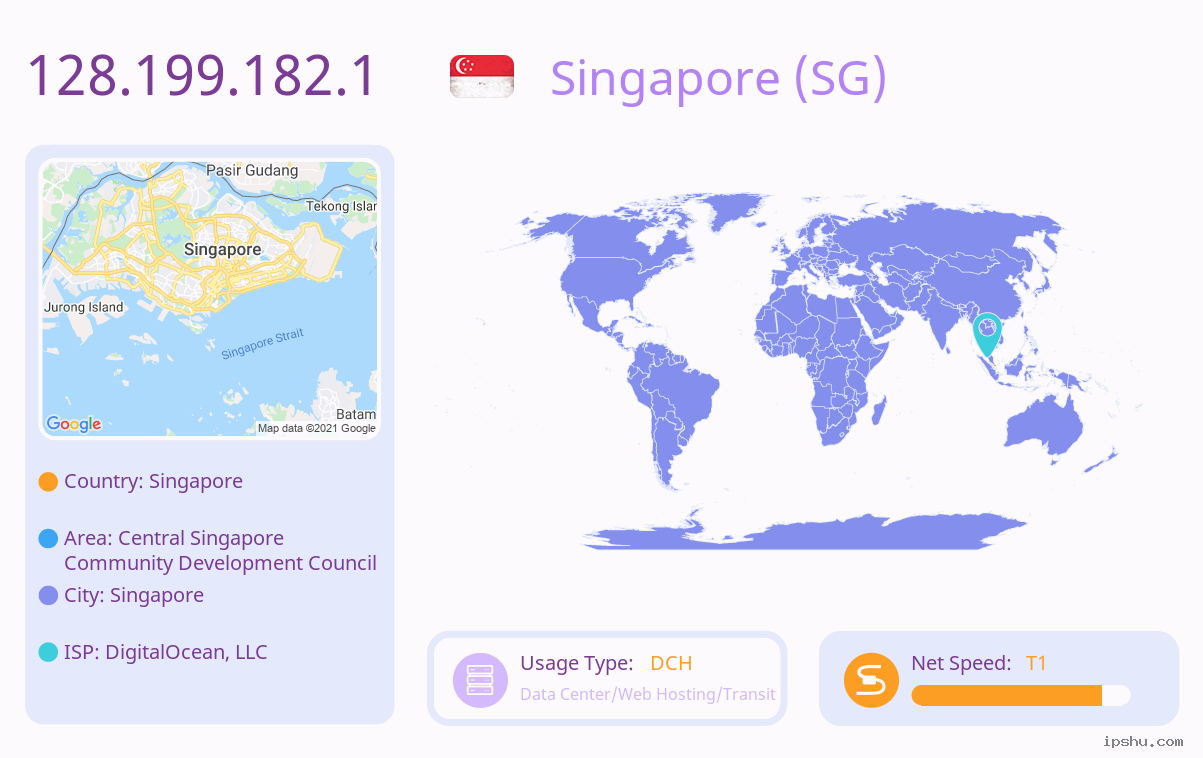
Geographically, 128.199.182.182 is allocated to a server or service located in Singapore. IP address allocation can provide insights into the physical location of a server, which is beneficial for purposes ranging from content delivery to compliance with regional regulations. In many cases, servers located in specific regions might host content or applications tailored to local audiences, thereby improving access speeds and enhancing user experience.
This specific IP address may serve various functions, such as hosting websites, providing online services, or supporting cloud computing infrastructures. The diverse use cases for public IP addresses allow businesses and individuals to host services that are widely accessible, facilitating a more interconnected experience for users worldwide.
Moreover, understanding the significance of individual IP addresses like 128.199.182.182 plays a crucial role in network management, cybersecurity, and analyzing web traffic. Network administrators often track the usage of these addresses to ensure efficient allocation of resources and to monitor for potential security threats. Overall, this IP address exemplifies the remarkable utility of public IPs in today’s digital landscape.
Geolocation and Its Importance
Geolocation refers to the identification of the real-world geographic location of an object, often determined through internet-based technologies such as IP addresses. The IP address 128.199.182.182 is one such example, which can be traced back to a specific region, illustrating the concept of geolocation in action. By analyzing the IP address, internet service providers and geolocation services can ascertain the approximate physical location of the user.
This technology has far-reaching implications across multiple domains. In marketing, geolocation is pivotal for targeted advertising. Businesses can tailor their communications and promotions based on the geographic region of users, thereby increasing the relevance and effectiveness of their campaigns. For instance, by recognizing that an individual is accessing the internet from a particular city, marketers can deliver location-specific content or advertisements that resonate more deeply with local consumers.
Similarly, in the realm of cybersecurity, geolocation plays an essential role in identifying suspicious activities. By monitoring unusual access patterns to online accounts from foreign IP addresses, organizations can flag potential breaches, enhancing their protection against cyber threats. Geolocation helps in building more robust security measures by allowing systems to verify whether access attempts align with the known geographical habits of legitimate users.
In digital content management, geolocation aids in the delivery of localized content. Websites can use geolocation data to serve users with language preferences, content relevance, and even legal compliance based on their location. This ensures that users receive a tailored experience, making websites more user-friendly and compliant with regional regulations.
Overall, understanding geolocation and its applications illustrates its vital importance in modern technology, affecting how we interact with digital platforms and services.
Common Uses of 128.199.182.182
The IP address 128.199.182.182 serves numerous practical applications in the realms of internet services and network administration. One of its primary associations is with web hosting. Many websites leverage this IP address to provide efficient access to their content for users worldwide. Websites hosted on servers linked to this IP address can benefit from consistent uptime and reliable performance, ensuring that visitors experience minimal disruptions.
In addition to web hosting, this IP address is often utilized in the configurations of virtual private networks (VPNs) and proxies. Users connect to VPN providers that may route traffic through 128.199.182.182 to hide their original IP addresses. This practice enhances online privacy and security, allowing individuals to browse the internet anonymously while accessing geographically restricted content. Meanwhile, proxies linked to this IP address can serve as intermediaries, optimizing internet traffic or providing caching services that improve loading times for frequently visited websites.
Furthermore, network administrators may employ 128.199.182.182 in various monitoring and management activities. This includes diagnosing problems or ensuring that security protocols are effectively enforced across a network. By analyzing traffic that is associated with this specific IP address, administrators can gain valuable insights into usage patterns, helping them to make essential adjustments to their network infrastructure.
Ultimately, the significance of 128.199.182.182 extends beyond mere numerical identification. Its role in hosting, VPNs, proxies, and network management illustrates how IP addresses function as crucial components in the overall architecture of internet communication and service delivery.
Security Implications of 128.199.182.182
Understanding the security implications associated with the IP address 128.199.182.182 is crucial for maintaining a secure online presence. This IP address, like any other, is susceptible to various security threats, including hacking attempts that can lead to data breaches or unauthorized access to networks and systems. Organizations must be vigilant about monitoring this IP address, as it can be exploited by malicious actors aiming to disrupt services or steal sensitive information.
Blocking or unblocking IP addresses is a common security measure used to mitigate risks associated with potential attacks. When a particular IP address, such as 128.199.182.182, is deemed suspicious or involved in malicious activities, it is imperative to block it from accessing the network. This action serves as a proactive defense strategy to protect critical assets and confidential data from unauthorized access. However, there might also be legitimate reasons for an IP address to trigger alarms, necessitating a careful analysis before deciding to block it permanently.
The importance of monitoring IP usage cannot be overstated. Regularly tracking the activities associated with 128.199.182.182 allows system administrators to identify unusual patterns that may indicate security breaches or attempted hacks. Employing tools for real-time monitoring can aid in recognizing these anomalies swiftly, enabling timely responses to potential threats. Furthermore, creating a comprehensive security policy that addresses how to handle different IP addresses, including how to deal with potentially harmful ones like 128.199.182.182, forms an integral part of an organization’s overall cybersecurity strategy.
Tools for Analyzing IP Addresses
Understanding IP addresses, such as 128.199.182.182, is crucial for various applications ranging from networking to cybersecurity. Numerous tools and services exist that facilitate the analysis of these addresses, providing valuable insights into their geographical locations, ownership, and associated services. By utilizing these tools, users can effectively manage their internet security and connectivity issues.
One prominent tool for IP address analysis is WHOIS lookup services, which allow users to retrieve registration details associated with an IP address. These services can show information about the organization that owns the IP, including contact details and the geographical location. This is especially useful for network administrators who may need to track down misuse or monitor activity linked to specific IP addresses.
Another widely used tool is IP geolocation services. These services provide users with information about the approximate physical location of an IP address, such as country, city, and even zip code. By analyzing IP addresses like 128.199.182.182, users can gauge users’ regional access patterns, enabling businesses to tailor their services based on geographic demographics.
For security professionals, threat intelligence platforms aggregate vast amounts of data on IP addresses, identifying those that are associated with malicious activities. Such analysis is vital for defending networks against potential attacks or unauthorized access, enabling proactive measures before any damage occurs.
Lastly, using network monitoring tools can enhance real-time analysis of IP traffic, allowing users to visualize data flows and identify unusual patterns. This can help in optimizing performance as well as in detecting security threats promptly. In the context of networking and security, such tools represent the first line of defense against issues that may arise from mismanaged or malicious IP addresses.
Changing an IP Address: Is It Necessary?
Understanding the importance of changing an IP address, such as 128.199.182.182, can be vital for various reasons related to network security and connectivity issues. An IP address identifies a device on a network, allowing for communication between devices. There are two primary types of IP addresses: static and dynamic. Static IP addresses remain constant, while dynamic IP addresses can change periodically, depending on the network or service provider.
There are several scenarios where altering an IP address might be required. For example, if a user is experiencing connectivity problems, changing the IP address could resolve the issues. This action can also help in bypassing geo-restrictions imposed on content, as certain websites may limit access based on the user’s geographical location associated with their IP address. Additionally, individuals concerned about privacy and security may opt to change their IP address to conceal their online activities from potential threats or surveillance.
Users typically have the option to change their IP address easily through router settings or using network configurations on their devices. For dynamic IP addresses, simply restarting the router can assign a new IP address automatically. Conversely, for static IP addresses, updating network settings directly is required. Consideration should be given to whether you need to maintain a static IP for stability in services such as hosting servers and gaming, where changes may disrupt connections.
While not always necessary, changing an IP address can provide significant benefits for users looking to enhance their online experience and security. Understanding when and how to make this change can lead to improved connectivity, security, and privacy while using the internet.
Future of IP Addresses
The future of IP addresses is evolving rapidly, particularly with the ongoing transition from Internet Protocol version 4 (IPv4) to Internet Protocol version 6 (IPv6). As the number of internet-connected devices continues to grow exponentially—propelled by the advent of the Internet of Things (IoT)—the limitations of the IPv4 system have become increasingly apparent. IPv4 allows for approximately 4.3 billion unique addresses, which, while seemingly ample in the early days of the internet, has proven inadequate in the face of modern technological advancements. Consequently, the migration to IPv6, which boasts an almost limitless supply of over 340 undecillion addresses, is not merely beneficial; it has become essential for the continuation and expansion of the internet.
This transition from IPv4 to IPv6 is paramount not only for accommodating more devices but also for enhancing the efficiency and security of internet communications. IPv6 introduces auto-configuration capabilities, improved packet processing, and built-in security features, which are critical in addressing the growing concerns surrounding data privacy and cyber security. As organizations and industries increasingly adopt IPv6, the infrastructure to support this new protocol is gradually being deployed, leading to a dual-stack Internet where both IPv4 and IPv6 coexist temporarily as the world adjusts.
The implications of this shift extend beyond mere connectivity. Enhanced IPv6 addresses can lead to improved performance for online services, reduced latency, and more stable connections, ultimately benefiting end-users. Furthermore, as companies invest in developing their networks to support IPv6, this transition is anticipated to drive innovation in various sectors, fostering new applications that harness the power of a more connected world. Furthermore, the expanded address space enables organizations to segment networks more effectively, supporting complex applications while maintaining streamlined management.
Conclusion
In this blog post, we have explored the significance of the IP address 128.199.182.182 and its role within the broader context of the digital landscape. IP addresses serve as fundamental components of the internet, acting as unique identifiers for devices connected to networks. Understanding the characteristics of specific IP addresses, like 128.199.182.182, provides insights into their geographical location, ownership, and usage patterns.

The examination of 128.199.182.182 highlights the importance of IP addresses in various applications, such as web hosting, cyber security, and data regulation. By recognizing how different IP addresses function, individuals and organizations can leverage this knowledge for enhanced network management, digital marketing strategies, and online security measures. Furthermore, awareness of IP address functionality enables users to navigate the internet more securely, by identifying potential threats and unwanted intrusions.
As we continue to immerse ourselves in an increasingly digital world, the relevance of understanding IP addresses, including 128.199.182.182, cannot be overstated. The global nature of the internet necessitates a clear comprehension of how data is transmitted and received across networks. By fostering such understanding, we can better equip ourselves to engage safely and responsibly online.
Ultimately, the knowledge gained from studying specific IP addresses not only empowers users to protect their digital endeavors but also enriches their overall online experience. As we reflect on the discussions presented in this article, it is evident that an appreciation for the intricacies of IP addresses is essential in today’s technology-driven environment.
