


Introduction to IP Addresses
An Internet Protocol (IP) address is a unique identifier assigned to each device connected to a computer network that uses the Internet Protocol for communication. This address serves two primary functions: identifying the host or network interface and providing the location of the device in the network hierarchy. Without IP addresses, communication over the Internet would be impossible.
There are two main types of IP addresses: IPv4 and IPv6. IPv4, the fourth version of the Internet Protocol, consists of a 32-bit numeric address written in decimal format, usually referred to in dot-decimal notation (for example, 111.90.150.504). This format allows for approximately 4.3 billion unique addresses, which, although seemingly vast, has proven insufficient as the number of devices connected to the Internet has skyrocketed.
To address the limitations of IPv4, IPv6 was introduced. IPv6 uses a 128-bit address space, represented in hexadecimal format, allowing for an almost immeasurable number of unique IP addresses, theoretically up to 340 undecillion (3.4 x 10^38). This expansion is crucial to accommodate the growing demand for Internet-connected devices, including smartphones, tablets, and IoT devices, thus ensuring that every device can have a unique identifier.
Understanding IP addresses is critical, particularly as they form the foundational layer of Internet communication. They facilitate everything from sending emails to streaming videos, making them pivotal to daily online activities. As we delve deeper into specific IP addresses, such as 111.90.150.504, the significance of these numerical sequences in networking becomes more pronounced. IP addresses not only define how devices communicate but also influence performance, accessibility, and security within the digital landscape.
What is 111.90.150.504?
The IP address 111.90.150.504 is classified as an IPv4 address, consisting of four decimal numbers each ranging from 0 to 255, separated by periods. It is structured as a 32-bit number, allowing for numerous unique addresses within the Internet Protocol (IP) standards. Each segment in this address allows different values, thereby influencing the total possibilities of assignment. However, it is noteworthy that the top segment of the address can indicate its classification, with the address in question falling within the public range since it does not belong to any reserved IP address ranges.
In terms of geographical location, 111.90.150.504 can be traced to specific areas via various geolocation databases and services. IP geolocation can provide rough estimates about the physical location of the address, including the country, region, and city information. By utilizing such databases, one can identify that this particular IP address may be associated with users or organizations based in certain regions, thereby obtaining an understanding of its operational context. This relevance can be crucial for many applications, including cybersecurity measures and analytics.
Furthermore, the ownership of IP addresses is typically managed by Internet Service Providers (ISPs) or organizations that have been allocated these ranges through regional Internet registries. The significance of 111.90.150.504 lies in the responsibilities associated with its ownership. Understanding how this address is circulated and utilized helps illustrate broader patterns in Internet usage, network management, and data flow across different regions and entities.
Functions and Uses of an IP Address
IP addresses serve as essential components of network communication, functioning primarily as unique identifiers for devices connected to the internet and local networks. An Internet Protocol (IP) address, such as 111.90.150.504, facilitates data exchange between devices by providing a means through which information can be routed. This unique identifier allows for the precise delivery of data packets, essential for effective communication and interaction in the digital landscape.
One of the primary functions of an IP address is to identify devices on a network. Each device connected to a network, whether it is a computer, smartphone, or server, requires a unique IP address to distinguish it from others. This specificity enables routers to direct data accurately by sending it to the correct destination. For instance, when a user sends a request to a web server, their device’s IP address will be logged in the server’s records, allowing for responses to be sent back to the right location.
Moreover, IP addresses play a vital role in ensuring the security of data transmissions. Firewalls and security protocols often utilize IP addresses to monitor incoming and outgoing traffic, helping to block unauthorized access and mitigate potential threats. This security aspect is crucial, especially for sensitive transactions conducted online, where ensuring the integrity and confidentiality of data is paramount.
In summary, the functionality of an IP address like 111.90.150.504 extends beyond simple identification; it is integral to maintaining seamless communication over the internet, facilitating secure interactions, and allowing efficient data routing across a network. Understanding these functions emphasizes the significance of IP addresses in our increasingly interconnected world.
How to Find Information About 111.90.150.504
Gathering information about an IP address such as 111.90.150.504 can be a straightforward process, especially with the availability of various online tools and databases. Understanding the significance of this IP address requires utilizing WHOIS databases, IP lookup tools, and other resources that can provide in-depth insights about its functionality and origin.
WHOIS databases are an excellent starting point for discovering the registrant information associated with an IP address. By inputting the address 111.90.150.504 into a WHOIS search tool, users can access details such as the organization that owns the IP address, their contact information, and sometimes even the physical location associated with it. This data is crucial for understanding the broader context of the IP’s usage and its owner’s network services.
Additionally, IP lookup tools provide a more user-friendly interface for retrieving information about any given IP, including 111.90.150.504. These tools often present data such as the ISP (Internet Service Provider) linked with the IP, geolocation, and the range of IP addresses that belong to that particular ISP. Users can perform a lookup through popular websites dedicated to IP address inquiries, which present the information in an easily digestible manner.
Utilizing these resources not only aids individuals or organizations in identifying the nature and purpose of 111.90.150.504 but also contributes to broader internet security measures. Understanding an IP address’s ownership and geographical data is essential for network management, cybersecurity, and ensuring lawful access to digital resources. Therefore, being adept at gathering information about IP addresses is a valuable skill in both personal and professional contexts.
Common Issues and Troubleshooting with IP Addresses
IP addresses, such as 111.90.150.504, play a vital role in enabling connectivity across networks. However, various issues can arise that impede this functionality. Understanding these common problems is essential for effective troubleshooting.
One prevalent issue is connectivity problems, which may manifest as an inability to access the internet or connect to specific services. For instance, if a device using the IP address 111.90.150.504 experiences network disruptions, troubleshooting steps such as verifying network connections, checking router settings, or restarting the device may resolve the issue. Connectivity problems can also stem from service provider outages or configuration errors.
Another common challenge is the occurrence of IP conflicts. This situation arises when two devices on the same network are assigned the same IP address. In a scenario where a device attempts to communicate using the IP address 111.90.150.504, but another device is already using it, both devices may either be unable to connect or encounter intermittent connectivity issues. To mitigate IP conflicts, it is advisable to check the device settings and ensure that dynamic IP addressing, through DHCP, is enabled, allowing proper assignment of unique addresses.
Finally, users may face geographical restrictions based on their IP address. Certain services or content may be inaccessible to IP addresses within specific locations. For example, some streaming platforms restrict access when they detect traffic from the IP address 111.90.150.504. In such cases, users might consider utilizing Virtual Private Networks (VPNs) to mask their actual IP address and bypass these restrictions.
Security Implications of IP Addresses
Understanding the security implications of IP addresses such as 111.90.150.504 is crucial for both individuals and organizations. An Internet Protocol (IP) address serves as a unique identifier for devices connected to a network, enabling communication over the internet. However, this essential function also comes with several vulnerabilities that can be exploited by malicious actors.
One significant concern is IP spoofing, a technique where an attacker disguises their own IP address by sending messages from a false IP address. This deceptive practice can facilitate various cybercrimes, including DDoS attacks, which aim to disrupt services by overwhelming systems with traffic. Since the true source of the attack is obscured, it can be challenging for organizations to defend against such threats.
Tracking is another critical issue when discussing IP addresses. Every time a user connects to the internet, their IP address is logged by websites, services, and internet service providers. This tracking can lead to the aggregation of personal data, which may violate privacy rights. Consequently, individuals should be aware that their online activities can be monitored based on their IP address, making it necessary to implement measures such as VPNs (Virtual Private Networks) for enhanced privacy and anonymity.
Furthermore, the use of IP addresses like 111.90.150.504 may present additional privacy concerns. In some instances, incorrectly configured systems may expose sensitive information linked to specific IP addresses, increasing the risk of unauthorized access to private networks. Therefore, understanding these risks is vital for maintaining a secure online presence.
Use Cases of 111.90.150.504
The IP address 111.90.150.504 serves various potential applications across different spheres, principally in the realms of web hosting, network management, and cyber operations. Understanding these use cases is essential in comprehending the significance of this specific IP address.
In web hosting, 111.90.150.504 may be assigned to a dedicated server, which indicates that it can host websites, applications, or services for users. Businesses frequently utilize such dedicated servers to enhance their online presence, ensuring that their websites remain accessible and responsive to client requests. By employing an IP address like 111.90.150.504, organizations can manage their web traffic more effectively and implement security measures tailored to their specific needs.
Furthermore, this IP address can play a significant role in digital infrastructure for companies specializing in software development and IT services. Such firms might leverage 111.90.150.504 as part of their cloud services, enabling resources to be allocated for various applications, such as application development environments or testing setups. The flexibility provided by a stable IP address in these scenarios facilitates seamless collaboration among teams and ensures efficient deployment of software products.
In addition to hosting and development, 111.90.150.504 might also be associated with online activities involving gaming communities, forums, or e-commerce transactions. These platforms often require reliable IP addresses to maintain a stable connection, ensuring users have a smooth experience while interacting with services. Thus, the utilization of this IP address underlines its versatile nature in the digital landscape, where reliable network connectivity is crucial.
Real-World Examples of IP Address Usage
IP addresses serve as fundamental building blocks in the expansive network of the internet, enabling devices to communicate effectively. Consider the daily task of web browsing. When a user enters a URL into their browser, the request is sent to a server that is identified by its unique IP address, such as 111.90.150.504. The server then responds by delivering the requested web content back to the user’s device, utilizing the IP address to ensure the information reaches its correct destination.
Another pertinent example lies in the functioning of online services and applications. Various platforms—be it streaming services, social networks, or e-commerce sites—rely on IP addresses. When a user logs into their account, their device’s IP address is recognized by the service, allowing them to access personalized content and accounts. Thus, an IP address plays a vital role in facilitating a seamless user experience, while also enabling security measures such as device tracking and authentication.
Moreover, in the realm of cloud computing, IP addresses are critical in managing data and applications hosted off-site. Cloud service providers assign distinct IP addresses to their servers, enabling users to access applications stored in the cloud. This capability allows businesses to scale their operations efficiently while maintaining reliable communication channels. Through these examples, it becomes evident that IP addresses, including the specific instance of 111.90.150.504, are integral to the functioning of numerous technologies that shape our everyday digital interactions.
Conclusion and Future of IP Addresses
In this blog post, we have explored the significance and functionality of IP addresses, particularly focusing on the specific address of 111.90.150.504. Understanding its role within networking and internet connectivity highlights how every device connected to the internet requires a unique identifier to facilitate communication. As the number of devices utilizing the internet continues to escalate, so does the necessity for more IP addresses, leading us toward a significant transition.
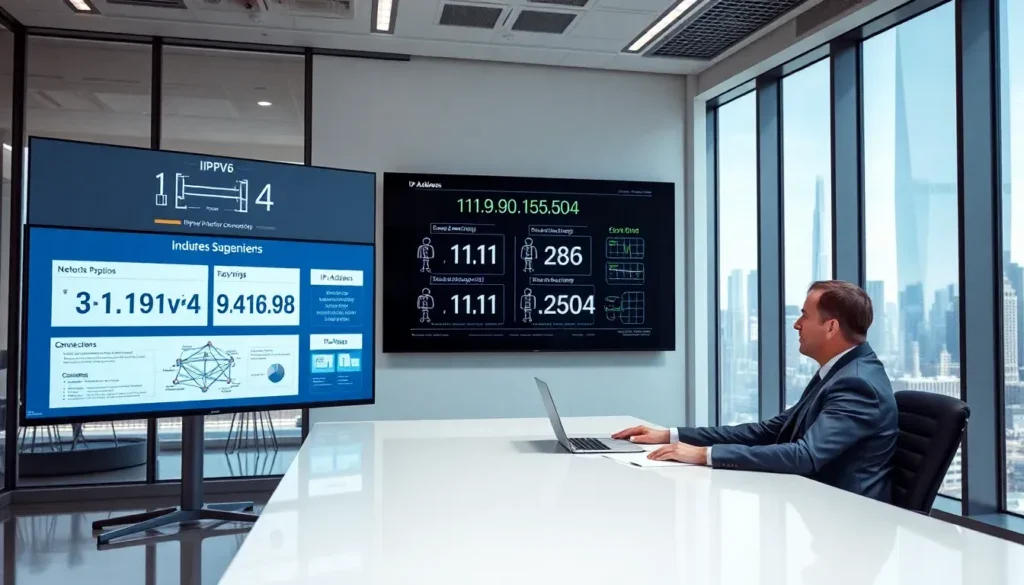
The future of IP addresses is increasingly leaning towards adopting IPv6 (Internet Protocol version 6), which accommodates a vastly larger address space compared to the outdated IPv4 (Internet Protocol version 4). With the limitations of IPv4 becoming more apparent, the shift to IPv6 is not merely beneficial but essential for the sustainability of internet growth. The IPv6 system allows for a practically unlimited number of unique IP addresses, which is crucial for the ever-expanding Internet of Things (IoT) and the continuous influx of devices demanding internet access.
Moreover, advancements in network technologies and infrastructure will further influence the management and utilization of IP addresses. Innovations such as IPv6 deployment strategies, network security protocols, and efficient routing mechanisms promise to streamline how addresses operate within diverse environments. The evolution of cloud computing, edge computing, and smart technologies will also play a pivotal role in shaping future practices related to IP addresses.
As we move forward, it is essential to remain cognizant of these developments in IP address technology. An increase in flexibility, security, and efficiency in how addresses are allocated and managed will enhance the overall internet experience. Thus, while we conclude our discussion, it is evident that the journey of IP addresses is ongoing, propelling us into a more advanced and connected future.
